







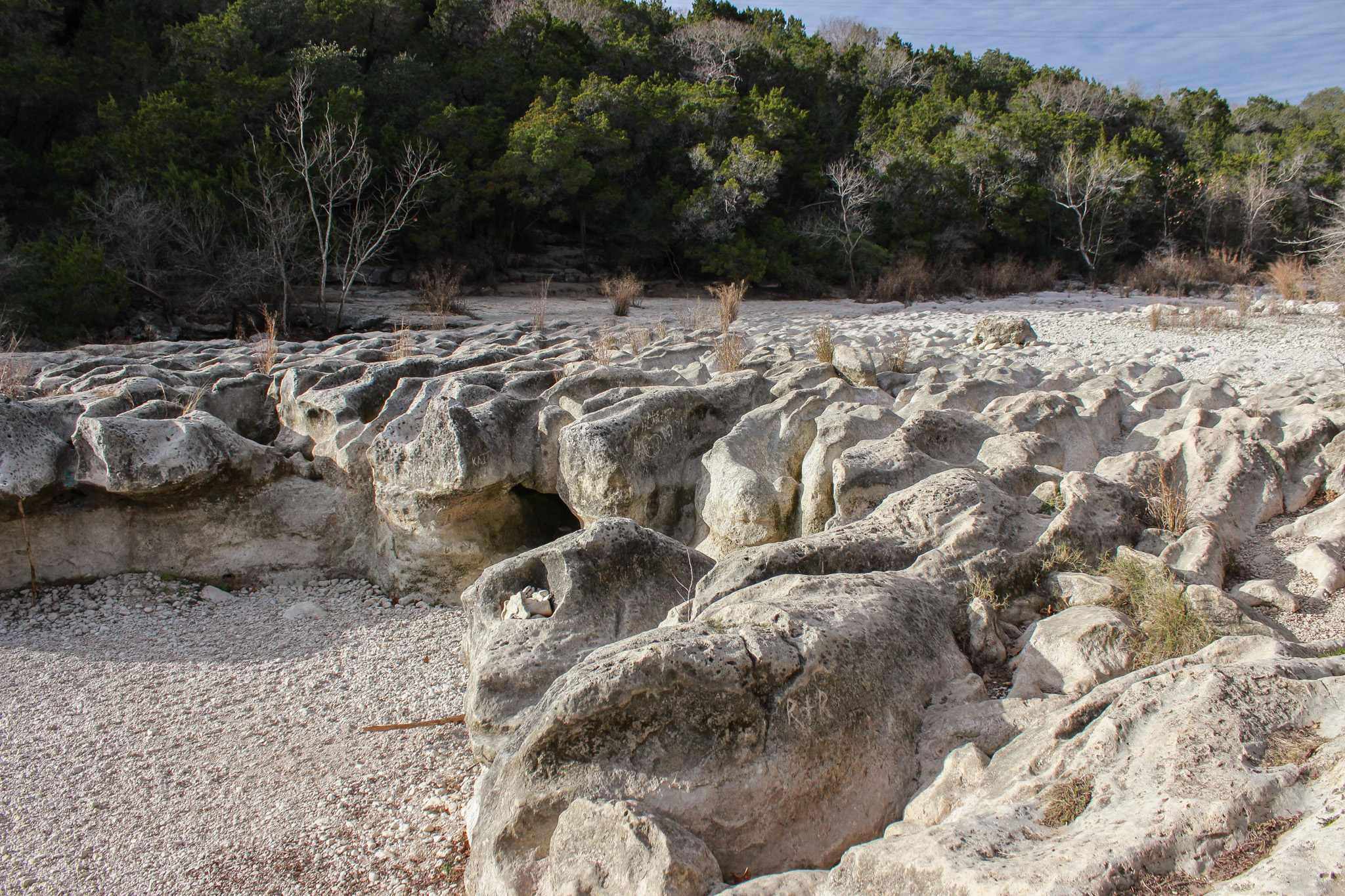
Barton Springs-Edwards Aquifer District Nears Historic Stage 4 Emergency Amid Prolonged Central Texas Drought
Throughout Central Texas, where generations have depended on well water to support homes, farms, and communities, the Barton Springs-Edwards Aquifer Conservation District is preparing to take an unprecedented step in its 39-year history: declaring a Stage 4 Emergency Response Period (ERP) due to critical groundwater shortages.
The warning comes after 43 straight months of drought, a relentless dry spell that has pushed groundwater conditions to the brink in south Austin, southern Travis County, and eastern Hays County. As of January 2026, the district remains locked in Stage 3 Exceptional Drought conditions. Without substantial rainfall soon, the aquifer may dip below emergency thresholds by late March.
Despite some recent precipitation, the much-needed winter rain failed to trigger sustained flows in regional creeks and streams that help recharge the aquifer. Groundwater levels at the Lovelady Monitor Well—one of the district’s two key drought indicators—are approaching critical lows. Simultaneously, Barton Springs flow is less than 25% of its historical average.
“It is critical that we cut back on outdoor use and conserve for indoor use only,” said Charlie Flatten, General Manager of the Barton Springs-Edwards Aquifer Conservation District. “Thousands and thousands of households between Austin and San Marcos depend on well water for their daily needs.”
What a Stage 4 Emergency Means for Central Texas Residents
If declared, Stage 4 ERP would mandate significantly heightened pumping restrictions for over 120 permittees, including municipal suppliers like the Cities of Kyle and Buda, the Creedmoor Maha Water Supply Corporation, agricultural operations, and numerous local businesses. These cutbacks are designed to protect household wells, preserve spring flow at Barton Springs, and ensure long-term aquifer health.
The Barton Springs segment of the Edwards Aquifer—along with portions of the Trinity Aquifer—supports nearly 100,000 groundwater users directly. Across the full 430-square-mile district territory, which spans portions of Travis, Hays, and Caldwell counties, over 400,000 people rely on groundwater for drinking, irrigation, and industry.
Understanding the Aquifer and the District’s Role
The Barton Springs-Edwards Aquifer Conservation District (BSEACD) is a groundwater conservation district (GCD), a special-purpose local government authorized under Chapter 36 of the Texas Water Code. Tasked with preserving aquifer integrity, the District monitors water levels, studies recharge rates, and manages groundwater use through permitting, education, and drought management policies.
The District’s territory is split into two zones. The original territory—established in 1987—extends from the Colorado River in Austin to northern Kyle and covers both the Edwards and Trinity aquifers. In 2015, the District expanded south to San Marcos, where it now manages the Trinity Aquifer, while the Edwards Aquifer Authority governs the Edwards segment in that region.
How the Drought is Impacting the Hill Country and Beyond
Across the Hill Country, other wells tapping into the Edwards and Trinity aquifers are also reporting rapid declines. The extended drought—fueled by years of below-average rainfall, record-breaking summer heat, and surging regional growth—has dramatically outpaced the natural recharge process.
The District’s drought triggers rely on the 10-day average of two key indicators: groundwater levels at the Lovelady Monitor Well and discharge rates at Barton Springs. A drought stage is declared when either metric drops below its defined threshold. Recovery requires both to rise above those same thresholds—making it harder to exit drought stages than to enter them.
What Residents Can Do Now
Well owners and groundwater users are strongly urged to take immediate conservation measures:
- Eliminate non-essential outdoor water us
- Check for and repair leaks
- Use water-efficient fixtures and appliances
- Monitor personal well levels regularly
The District maintains real-time data on aquifer conditions and provides regular updates through its website, www.bseacd.org. Community engagement, education, and cooperation remain critical to navigating this deepening water crisis.
Informed Conservation: A Path Forward
As Central Texas continues to feel the heat—literally and figuratively—the Barton Springs-Edwards Aquifer Conservation District’s call for action highlights how interconnected water, growth, and sustainability have become. A Stage 4 Emergency may be unprecedented, but with proactive conservation and collaborative management, the region can chart a course toward aquifer recovery and long-term resilience.
For the latest updates on drought conditions, permit regulations, and conservation tips, visit bseacd.org.

 Tiffany Krenek has been on the My Neighborhood News team since August 2021. She is passionate about curating and sharing content that enriches the lives of our readers in a personal, meaningful way. A loving mother and wife, Tiffany and her family live in the West Houston/Cypress region.