







$5.5M Funding Cut Threatens Central Texas Food Bank as 761,000 Meals Vanish Amid Rising Hunger in Austin Region
For thousands of families across Austin and the surrounding region, the Central Texas Food Bank has long been a reliable place to turn when grocery bills stretch too far. But a sudden federal funding shift has created a $5.5 million gap in the organization’s budget—an abrupt change that is already reducing food deliveries and could impact access to meals across Central Texas.
The loss comes after the U.S. Department of Agriculture eliminated more than $1 billion nationally in pandemic-era programs, including the Local Food Purchase Assistance (LFPA) and Local Foods for Schools (LFS) initiatives. Those programs helped food banks purchase fresh produce, meat and dairy from local farmers while delivering meals to communities facing food insecurity.
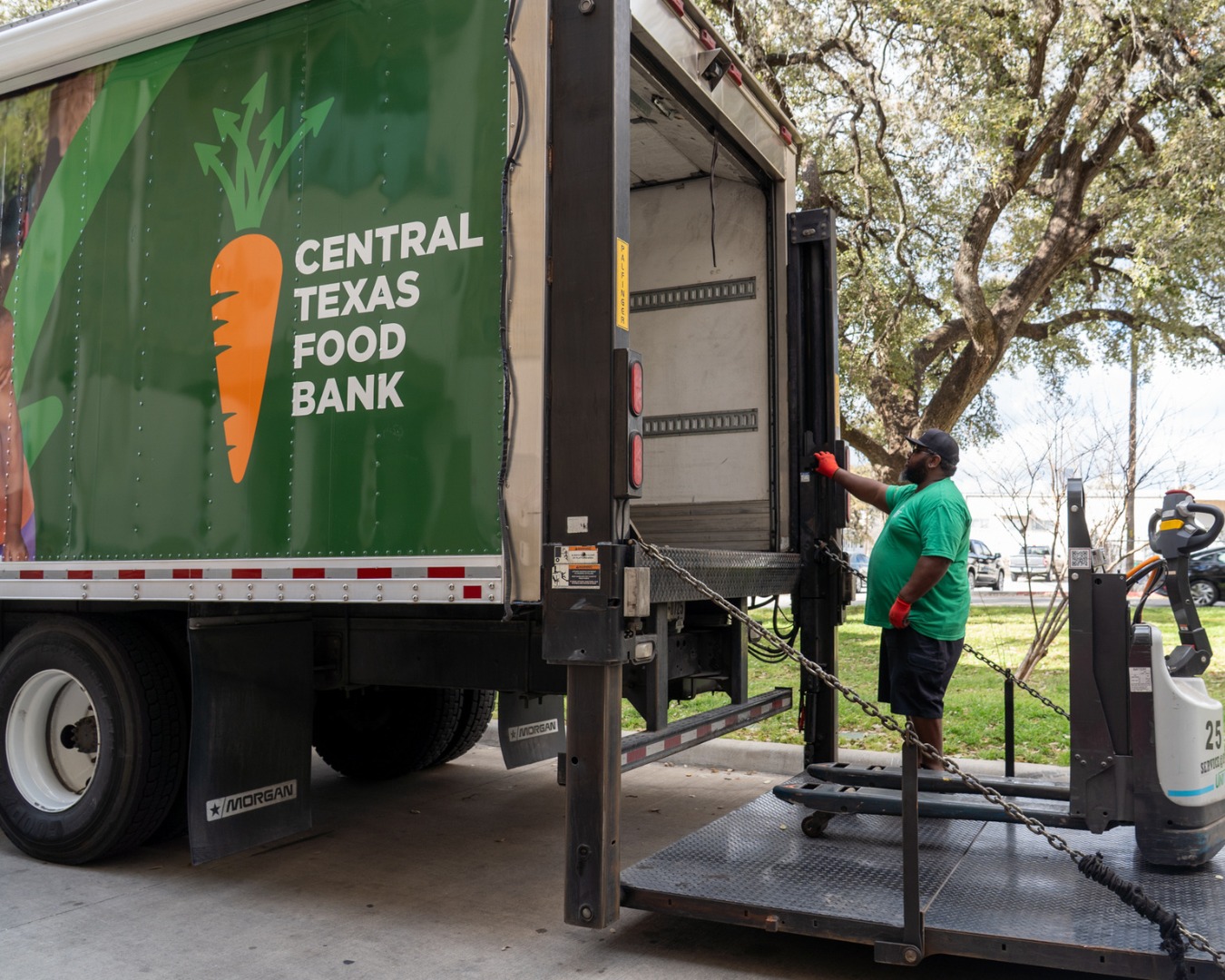
For the Central Texas Food Bank (CTFB)—the largest hunger-relief organization in the region—the cancellation means tens of thousands of meals are disappearing from the supply chain at a time when demand is already higher than it was during the height of the COVID-19 pandemic.
761,000 Meals Lost as Deliveries Are Canceled
The impact has already been felt. In March 2026 alone, the Central Texas Food Bank was forced to cancel 40 tractor-trailer deliveries, eliminating roughly 761,000 meals that would have reached food pantries and distribution sites across the region.
The nonprofit now serves more than 90,000 individuals each week, surpassing the roughly 60,000 weekly residents who relied on the food bank during the peak of the pandemic.
“Without replacement programs, this will result in less food for families and fewer options at food pantries,” said Sari Vatske, CEO of the Central Texas Food Bank.
To keep shelves stocked, the organization has begun pulling about $1 million per month from its financial reserves to fill the gap—an approach leaders say cannot continue indefinitely.
A Lifeline for Austin and 21 Central Texas Counties
Based in Austin, the Central Texas Food Bank is the region’s leading hunger-relief nonprofit, serving 21 counties including Travis, Williamson, Hays, Bastrop and Bell counties. Through partnerships with roughly 250 community organizations, the food bank distributes meals through food pantries, schools, senior programs and mobile food distribution events.
Last year alone, the organization distributed more than 74 million pounds of food, including 26.6 million pounds of fresh produce, helping deliver the equivalent of 61.7 million meals to Central Texans.
The organization’s reach extends far beyond urban Austin. Many communities in its service area—particularly rural counties—have limited grocery access, making mobile food pantries and school-based distribution programs essential.
Feeding America estimates more than 537,000 people in the region face food insecurity, meaning the loss of federal food programs could ripple across both rural and urban communities.
Local Farmers and Ranchers Also Feel the Impact
Food bank leaders say the cuts affect more than the people receiving meals. Programs like LFPA also paid Texas farmers and ranchers to supply food banks with locally produced goods.
“The cuts don’t just hurt families who rely on food banks,” said Beth Corbett, vice president of government relations at CTFB. “They also hurt local farmers and ranchers who were part of these programs and depended on them to supply fresh food to our communities.”
Under the previous system, food banks purchased food directly from regional agricultural producers, strengthening both the local food system and hunger relief network.
Federal Leaders Say States Should Take Greater Responsibility
Some state officials argue the funding cuts were necessary.
Texas Agriculture Commissioner Sid Miller said the federal government’s decision aims to reduce unnecessary spending and encourage states to take more responsibility for food programs.
“The goal is to eliminate waste and abuse and ensure programs are efficient,” Miller said.
Still, nonprofit leaders warn that removing large-scale federal support without replacement programs could quickly widen the region’s “meal gap”—the difference between the meals people need and what is available through assistance programs.
A “Perfect Storm” for Food Insecurity
The funding loss arrives at a moment when many Central Texas households are already struggling.
Food bank officials say several factors are converging at once:
- Rising grocery prices
- Reductions in SNAP benefits
- Increased demand following a recent government shutdown
- Population growth across the Austin metro area
Together, those pressures are sending more residents to local food pantries.
In recent years, the Central Texas Food Bank has expanded programs to meet those needs, including school-based pantries, home delivery services for seniors, and mobile food distribution sites that reach neighborhoods with limited grocery access.
In 2023 alone, the organization helped serve an average of about 93,000 people each week, demonstrating how central the nonprofit has become to the region’s food safety net.
What Happens Next
Without replacement funding, leaders say the food bank will increasingly rely on private donations, community partnerships and volunteers to maintain current service levels.
Austin residents may notice the effects in subtle ways—fewer food options at local pantries, longer lines at mobile distribution sites, or increased calls for community support.
Still, the food bank’s leadership emphasizes that the mission remains unchanged: ensuring that every Central Texan has access to nutritious food.
For a region known for its strong sense of community, the coming months could test how public programs, private donors and local organizations work together to keep that promise.
Residents can learn more about volunteering or supporting hunger relief efforts through the Central Texas Food Bank’s programs as the organization navigates the funding gap.
For updates on this story and other community developments across Austin and Central Texas, stay tuned to My Neighborhood News.

 Tiffany Krenek has been on the My Neighborhood News team since August 2021. She is passionate about curating and sharing content that enriches the lives of our readers in a personal, meaningful way. A loving mother and wife, Tiffany and her family live in the West Houston/Cypress region.