







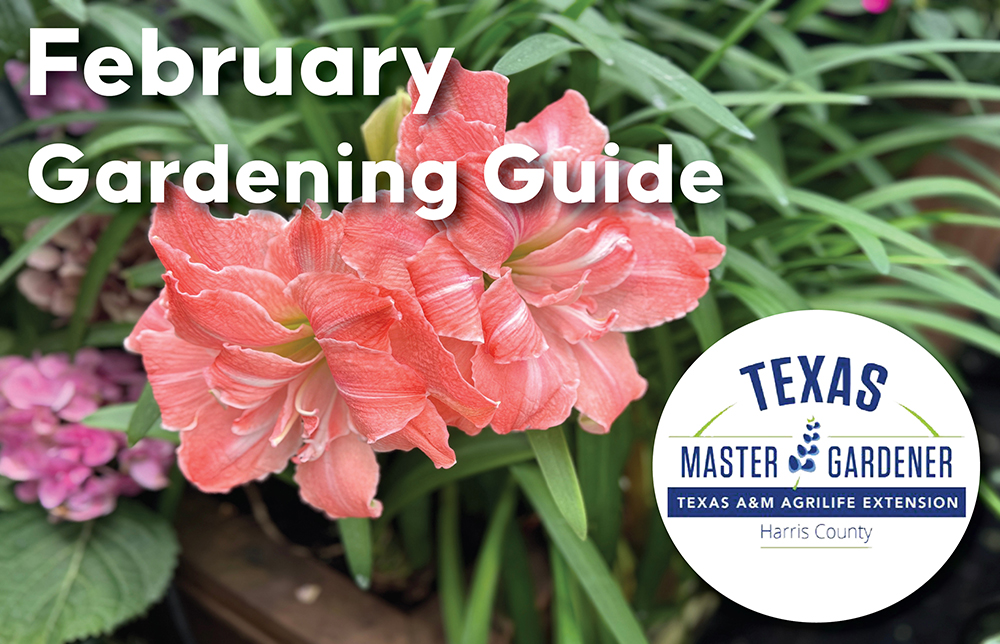
Essential February Gardening Tips After Winter Storm: Expert Advice from Harris County Master Gardeners
In the wake of January’s harsh winter storm that brought freezing rain, gusty winds, and sub-freezing wind temperatures across Greater Houston, many gardens across Harris County are showing signs of stress. But as the region begins its slow climb back to milder temperatures, local experts say February is a crucial window for garden recovery and spring preparation.
According to the Harris County Master Gardeners, a volunteer program of trained horticultural advisors through the Texas A&M AgriLife Extension Service, residents still have plenty of opportunity to get their landscapes and gardens back on track — even after the recent cold snap.
Stay Prepared for Late Frosts
Even though the average highs in February may tempt us into early spring mode, the average last frost date for Harris County (Zone 9) hovers around February 26. Given the unpredictable nature of Gulf Coast weather — especially after recent extremes — it’s wise to keep frost cloths, mulch, and row covers handy to protect sensitive plants if another cold front moves through.
Check for Winter Storm Damage
The storm likely caused dieback or leaf burn on tropical plants, perennials, and ornamentals. Experts at the Texas A&M AgriLife Extension Service advise holding off on pruning too soon. That damaged growth may actually help protect the living parts of the plant from additional cold.
Instead of rushing out with the shears, wait until after the last average frost date (typically late February for Harris County) and until it’s clear where new growth is emerging. This patience is especially important for tropicals, roses, ornamental grasses, and other marginally cold-hardy plants. Premature pruning can trigger new growth that may be vulnerable to another cold snap — so while it may not look pretty, let the “ugly” remain a bit longer.
Planting and Dividing Perennials
February is ideal for planting spring- and summer-blooming perennials, giving them time to root before the growing season hits full stride. If you have established perennials or ornamental grasses, consider dividing and replanting them now to improve vigor and bloom.

Colorful Annuals and Seed Starting
Cool-season annuals like pansies, alyssum, and snapdragons can bring cheerful color to frost-hardy garden beds. Indoors, now is the time to start seeds for warm-season annuals like zinnias and marigolds, preparing them for March or April transplanting.
Bulb Planting and Fertilizing
If your spring-blooming bulbs (like daffodils and tulips) are starting to emerge, help them along with a light dose of fertilizer. You can also begin planting gladiolus bulbs now — and every two weeks through May — for successive summer blooms.
Rose Care and Pruning
Roses should be pruned by mid-February, ideally around Valentine’s Day, to ensure strong spring growth. This includes shaping hybrid teas, floribundas, and shrubs. Climbing roses, however, should be pruned after blooming to avoid cutting off buds.
Tend to Trees and Shrubs
Late February is the final window to fertilize trees before spring growth accelerates. If you need to prune fruit trees, follow species-specific guidelines to maximize fruit production. For flowering trees like crape myrtles or vitex (chaste trees), prune in late winter for bigger, better blooms.
As for shrubs, finish planting or transplanting azaleas before they break dormancy. Dormant pruning is encouraged now — but avoid excessive cutting, which can weaken the plant.
Native Plants Thrive with the Right Start
Native plants are well-suited for Harris County’s climate and soil, but they still benefit from a little help. Apply a balanced fertilizer when new growth emerges and check for storm damage on more delicate native varieties.

Lawn Care and Weed Control
Give your lawn a head start by raking leaves, removing debris, and letting sunlight reach the grass. It’s also the ideal time to apply a pre-emergent herbicide to prevent spring weeds like crabgrass and dandelions from taking hold.
Ground Cover and Vines
If your lawn struggles in shady or hard-to-mow spots, consider installing ground cover. Prepare the soil with compost and tilling, then shear existing ground covers back to 6–10 inches before new growth begins. Most woody vines (like wisteria) shouldn’t be pruned until after spring blooming to preserve this year’s flowers.
Grow Your Own: Vegetables, Herbs, and Fruit
Edible gardening is alive and well in February. Plant cool-season veggies such as broccoli, kale, cauliflower, and cabbage. Direct-seed carrots, beets, radishes, and turnips. This is also prime time to plant potatoes and strawberries, which thrive in cooler soil. Herbs like parsley, cilantro, and dill can also be added to beds or containers.
Master Gardener Resources Available Year-Round
Whether you're a seasoned gardener or just getting started after the storm, the Harris County Master Gardeners offer expert guidance, workshops, and resources to help your garden thrive — even when the weather throws you a curveball.
Visit hcmga.tamu.edu for more local gardening information, classes, and monthly checklists tailored to Harris County’s climate and soil.
By planning ahead and tending to your landscape now, your yard can bounce back beautifully — just in time for spring.

 Tiffany Krenek has been on the My Neighborhood News team since August 2021. She is passionate about curating and sharing content that enriches the lives of our readers in a personal, meaningful way. A loving mother and wife, Tiffany and her family live in the West Houston/Cypress region.
Local business spotlight
Grow your business
where trust already lives.
Let’s introduce your business to the neighbors nearby.
Have a local favorite?
Let’s make an introduction.
Leave your email and our team will reach out with ways to promote your business.
Give a local favorite a little love.
Know a business your neighbors should discover? Tell us who they are.
We couldn’t send that just yet. Please try again.