







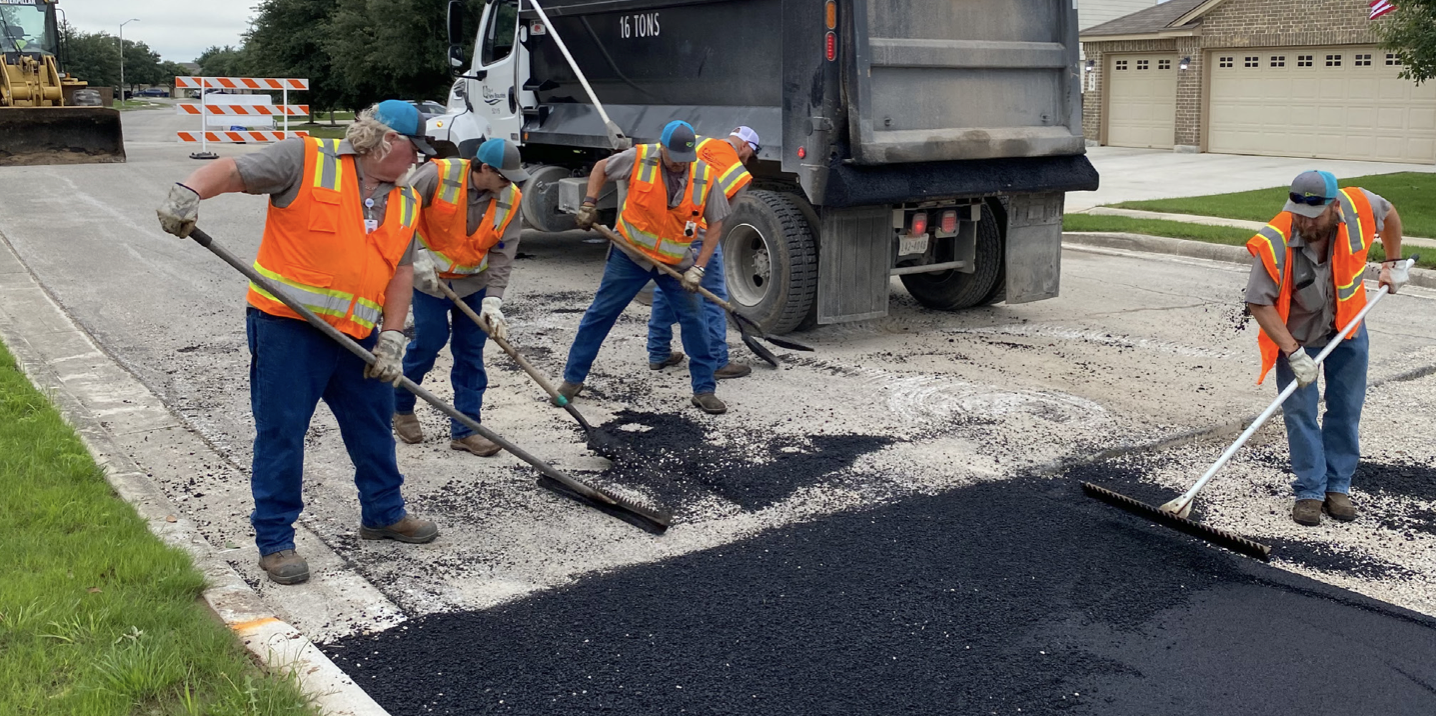
Better NB: How the City of New Braunfels Is Investing Millions to Keep 955 Lane Miles of Streets Safe and Reliable
For homeowners navigating morning commutes, parents driving to school drop-offs, and businesses relying on steady traffic flow, the condition of local streets in New Braunfels is more than an inconvenience — it directly impacts safety, property values, and quality of life.
Behind the scenes, the City of New Braunfels Public Works Department is managing more than 955 lane miles of roadway across the community. Through a structured, data-driven pavement management program, city leaders are working year-round to ensure those streets remain safe, reliable, and cost-effective for taxpayers.
The effort is part of the City’s ongoing “Better NB” initiative, highlighting case studies of city initiatives making New Braunfels a better community.
A $9 Million Commitment to Street Maintenance
Over the past five years, the City has invested approximately $9 million in street maintenance projects. That figure is separate from nearly $200 million in voter-approved roadway and drainage improvements funded through the 2013, 2019, and 2023 bond programs.
Last fiscal year, approximately $1.8 million was allocated toward more than 50 street maintenance projects throughout New Braunfels. Those efforts covered more than 200,000 square yards of roadway — roughly 27 lane miles — equal to nearly 3% of all city-maintained streets.
For residents, that translates into smoother commutes, fewer costly vehicle repairs, and infrastructure that keeps pace with growth.
How the City Measures Street Conditions
Every few years, each road in New Braunfels is evaluated using a Street Pavement Score system. Streets are rated on a scale from 1 to 100 based on pavement health, cracking, structural issues, and overall wear.
- 90–100: Excellent
- 70–89: Good to Very Good
- 50–69: Average
- 30–49: Fair
- Below 30: Poor to Failed
This scoring system helps city staff determine whether a street needs preventative maintenance, surface repair, or full reconstruction. Residents can also view an interactive Street Pavement Score map on the City’s website.
“Maintaining safe and reliable streets is a year-round effort. Every repair we make, big or small, helps extend the life of our roadway network and ensures we're using taxpayer dollars as efficiently as possible,” said City of New Braunfels Public Works Director Greg Malatek. “You might not see every pavement patch we make, but those small repairs add up. They’re what keep our streets in good shape and prevent far more expensive repairs later. It’s all about being proactive.”
Not All Streets Serve the Same Purpose
The City evaluates roadways based on their functional classification:
- Local streets provide direct access to homes and businesses and typically allow parking.
- Collector streets connect neighborhoods to major corridors.
- Arterial streets handle higher traffic volumes and longer-distance travel and typically do not allow parking.
- State roadways, such as I-35, Loop 337, Seguin Avenue (Business Hwy 46), and FM 306, are maintained by TxDOT.
This classification ensures maintenance priorities reflect both condition and traffic demand — a key consideration as New Braunfels continues to grow.
From Crack Sealing to Full Rehabilitation
Based on pavement scores and field inspections, the City uses three general repair categories:
Preventative Maintenance
- Crack sealing
- Pothole repairs, patching, and NBU utility cut restoration
Surface Repairs
- Blade Level-up or thin overlay
- Micro Surfacing
- Mill & Overlay
Full Rehabilitation
- Removing the existing asphalt and base
- Stabilizing the subgrade
- Adding new base material
- Installing a new 2–3” hot mix asphalt surface
These methods allow the City to balance cost-effectiveness with long-term performance while minimizing disruption to residents.
How Streets Are Selected Each Year
Choosing which streets to repair involves a detailed, multi-step process. It begins with pavement management software analyzing Overall Condition Index data. Those recommendations are then verified through on-the-ground inspections by Public Works staff.
Traffic volume and roadway function also play a role. The City coordinates closely with utility providers to avoid repairing a street just before planned underground work. Streets already scheduled for improvements through voter-approved bond projects are typically removed from short-term maintenance lists.
Resident input is also an important part of the process. Feedback gathered through public meetings and an annual survey ahead of City Council’s budget discussions helps guide final decisions.
“As New Braunfels continues to grow, the demands on our streets grow with it,” Malatek said. “Our street maintenance planning helps us stay ahead of that curve, ensuring our infrastructure can support the community not just today, but years down the road.”
Streets Repaired in 2025
In 2025 alone, dozens of streets across multiple City Council districts received improvements.
Projects included:
- Avery Parkway (2.56 lane miles, Mill & Overlay)
- Blue Spruce Drive (3” Mill & Overlay)
- Gaines Drive (Rehabilitation)
- San Luis, San Miguel, San Rafael, and several other streets receiving Micro Surfacing
- Melody Lane (3” Mill & Overlay)
- Water Lane and Yellow Wood Drive (Rehabilitation)
City Public Works crews also completed restriping work along Fredericksburg Road near Landa Park.
What This Means for New Braunfels Residents
For many residents, street maintenance is something noticed only when it’s delayed. But proactive pavement management helps prevent more expensive reconstruction, reduces long-term taxpayer burden, and supports economic development by keeping corridors accessible.
It also reflects a broader investment in infrastructure resilience — something that matters as New Braunfels continues to experience steady population growth.
As New Braunfels evolves, so does the responsibility to maintain the roads that connect neighborhoods, schools, businesses, and parks. Through strategic planning and consistent investment, the City is working to ensure those connections remain strong.
Stay tuned to My Neighborhood News for more local infrastructure updates and community-focused coverage in New Braunfels.

 Tiffany Krenek has been on the My Neighborhood News team since August 2021. She is passionate about curating and sharing content that enriches the lives of our readers in a personal, meaningful way. A loving mother and wife, Tiffany and her family live in the West Houston/Cypress region.