







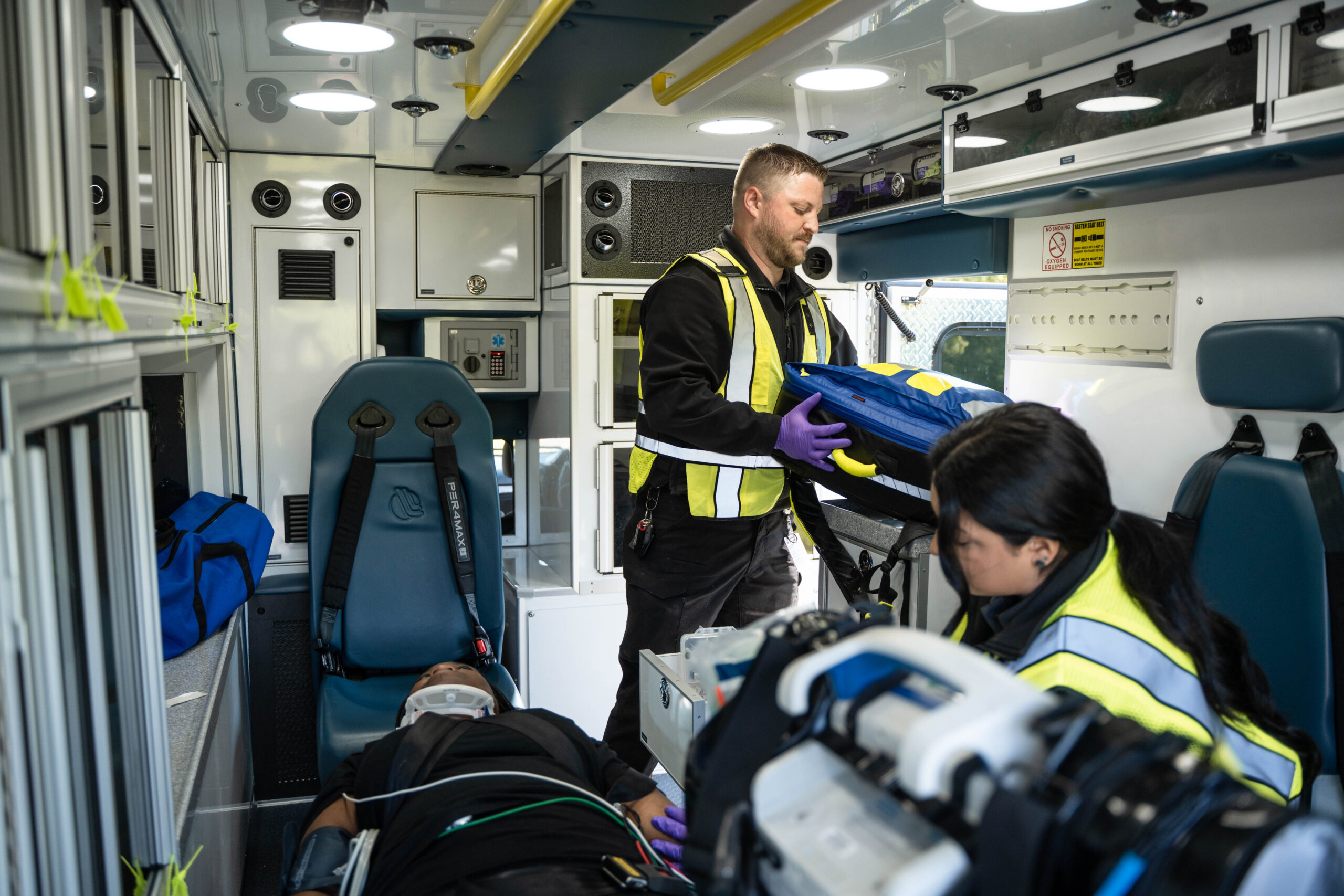
Harris County ESD 11 to Launch Life-Saving Prehospital Plasma Program, Community Blood Drive Set for March 23 in Spring
When a catastrophic crash or traumatic injury happens in Northwest Harris County, the first few minutes often determine the outcome. Soon, Harris County ESD 11 Mobile Healthcare will begin providing life-saving plasma to patients experiencing significant blood loss — before they ever reach a hospital.
For the more than 700,000 residents served by Harris County ESD 11, this marks a major advancement in prehospital emergency care. And community participation is essential to make it possible.
To support the rollout of its prehospital plasma program, Harris County ESD 11 will host a blood drive on March 23, 2026, from 9:00 a.m. to 12:00 p.m. at the Harris County ESD 11 Campus, located at 18334 Stuebner Airline Rd., Spring, Texas 77379. Donors can register at commitforlife.org or walk in the day of the event. Participants should bring a valid ID and will receive a free rechargeable power bank.
A Shift in Emergency Medical Response in Northwest Harris County
“This initiative to carry plasma is a major shift in how emergency care is delivered in the field for us here at Harris County ESD 11,” says Chief Quality Officer Kevin Crocker. “Severe bleeding is the primary cause of preventable fatalities in trauma patients, including those involved in a motor-vehicle crash. But with the prompt delivery of prehospital blood products, it’s estimated that 37% of trauma patients with severe bleeding could be saved. For every minute of delay in administering blood, the risk of death increases by 11%.”
Traditionally, patients suffering major blood loss had to wait until arrival at a hospital emergency room to receive blood products. By equipping ambulances with plasma — a critical blood component used to treat hemorrhagic shock — paramedics can begin stabilizing patients during transport.
For families traveling SH 249, FM 1960, the Grand Parkway, or neighborhood roadways across Spring, Klein, and Cypress, that capability could significantly impact survival in traumatic emergencies.

How Blood Donations Directly Support This Program
The March 23 blood drive is held in partnership with the Gulf Coast Blood (formerly Gulf Coast Regional Blood Center), a nonprofit 501(c)(3) organization serving 170 hospitals and healthcare facilities across a 26-county region, including the Texas Medical Center.
Meeting demand in the Greater Houston area requires approximately 1,000 blood donations per day. The majority of donated blood goes directly to local hospitals, forming a vital partnership between the blood center and healthcare providers to maintain emergency readiness.
To prepare for disasters common to Southeast Texas — including hurricanes, floods, and freezes — the Gulf Coast Regional Blood Center strives to maintain a minimum three-day blood supply. That buffer helps protect patients when weather or other emergencies disrupt collection efforts.
In trauma situations, the center also plays a key role in supplying O Type blood — the universal blood type — to ambulances and life-flight helicopters. Working alongside local fire departments, EMS agencies, and hospitals, the center ensures that blood products can be deployed rapidly in life-threatening emergencies.
As Harris County ESD 11 begins carrying plasma in the field, that partnership becomes even more critical.
What Happens After You Donate Blood?
For residents wondering how their donation makes its way to a patient, the process is carefully managed and highly regulated.
After donating at a Gulf Coast Regional Blood Center neighborhood donor center or mobile drive, the blood is transported for processing. It is separated into components — red blood cells, plasma, and platelets — and undergoes extensive infectious disease testing and blood typing to ensure safety.
Once processed, the center receives orders from local hospitals. Through courier services operating 24 hours a day, 365 days a year, blood products are dispatched throughout the region to meet immediate patient needs — in hospitals and increasingly in prehospital settings like ambulances.
To maintain transparency, the blood center uses a tracking system that monitors the journey of donated blood from donor to recipient. Donors may receive text notifications updating them when their blood has been used. While specific names and locations are never disclosed, the general update allows donors to see the impact of their contribution.
Personal information about donors and recipients remains confidential. Only relevant medical information is shared with healthcare professionals, reinforcing strict privacy and confidentiality standards.
Innovation Backed by Regional Collaboration
Across the Greater Houston area, EMS agencies have increasingly adopted blood-based prehospital programs to improve trauma survival rates. Similar initiatives — such as whole blood programs launched by neighboring EMS agencies like Fort Bend County EMS — have demonstrated the importance of administering blood products as early as possible.
Harris County ESD 11’s move to carry plasma reflects a broader evolution in emergency medicine: bringing hospital-level interventions closer to the scene of an emergency.
For Northwest Harris County homeowners, commuters, and business owners, this represents more than a procedural upgrade. It strengthens the local safety net in a rapidly growing region where emergency response demand continues to increase.

How to Participate in the Harris County ESD 11 Blood Drive
Residents can secure an appointment HERE. Walk-ins are welcome.
The blood drive will take place:
- Date: March 23, 2026
- Time: 9:00 a.m. – 12:00 p.m.
- Location: Harris County ESD 11 Campus, 18334 Stuebner Airline Rd., Spring, Texas 77379
Community members may also join Commit for Life, a partnership program focused on protecting Houston’s blood supply for the long term.
What This Means for the Community
When plasma becomes available in Harris County ESD 11 ambulances, it will allow paramedics to begin advanced hemorrhage treatment within minutes of arrival on scene. In trauma care, that time difference can mean survival.
For residents of Spring and Northwest Harris County, donating blood on March 23 is not just about helping an anonymous patient. It is about strengthening emergency response in their own neighborhoods.
As the region continues to grow, initiatives like the prehospital plasma program reflect an ongoing commitment to advancing public safety and improving outcomes when emergencies happen unexpectedly.
Stay tuned to My Neighborhood News for continued coverage of Harris County ESD 11, community blood drives in Spring, and public safety initiatives impacting Northwest Harris County families.

 Tiffany Krenek has been on the My Neighborhood News team since August 2021. She is passionate about curating and sharing content that enriches the lives of our readers in a personal, meaningful way. A loving mother and wife, Tiffany and her family live in the West Houston/Cypress region.
Do you own a business?
