







Northeast Water Purification Plant Expansion Nears Completion, Securing Reliable Drinking Water for a Rapidly Growing Greater Houston
As one of North America’s largest water infrastructure projects nears completion, the Northeast Water Purification Plant (NEWPP) expansion, the largest of its kind in North America, is completing its final optimization phase. This monumental project aims to secure a more reliable, widely accessible water supply for millions of residents across Harris and Fort Bend counties, while reducing dependence on groundwater and curbing land subsidence.
With a final capacity of 400 million gallons per day (MGD)—a fivefold increase from its original 80 MGD—the expanded facility will help support Greater Houston’s skyrocketing population growth while fulfilling groundwater reduction mandates set by the Harris-Galveston and Fort Bend Subsidence Districts.
A $1.97 Billion Regional Partnership
A project of this size and impact requires collaboration. The cost is being shared by five key partners:
- City of Houston, see map here
- North Harris County Regional Water Authority (NHCRWA), see maps here
- West Harris County Regional Water Authority (WHCRWA), see map here
- Central Harris County Regional Water Authority (CHCRWA), see map here
- North Fort Bend Water Authority (NFBWA), see map here
Together, these entities aim to invest in Greater Houston’s future for a steady supply of safe, sustainable drinking water across municipal utility districts, small cities, and unincorporated areas alike.
Where the Water Comes From
Water for the plant comes from Lake Houston, which is now being supplemented by the Luce Bayou Interbasin Transfer Project, bringing in additional supply from the Trinity River. The City of Houston secured long-term surface water rights on the Trinity River decades ago—partnering with the Trinity River Authority around the early 1970s to build Lake Livingston and ensuring a reliable supply that regional planners project will remain viable through 2080 and beyond.

What’s New: Infrastructure and Technology
The expansion includes several major infrastructure upgrades:
- A new 320 MGD treatment facility, built on existing City of Houston property adjacent to the original plant.
- A state-of-the-art intake pump station, located 900 feet offshore in Lake Houston, designed to draw cleaner water from deeper depths.
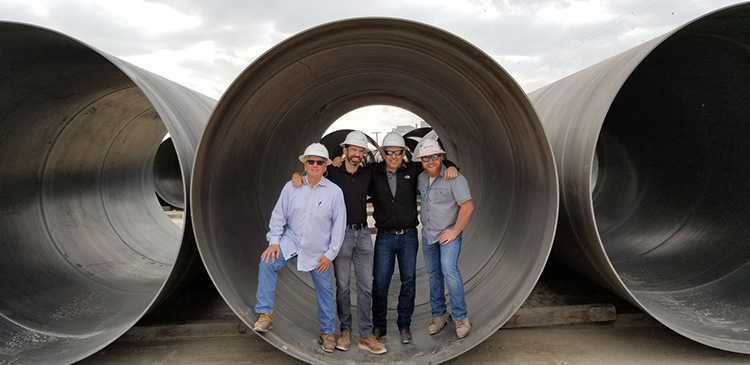
- Two massive 108-inch pipelines that run under West Lake Houston Parkway to carry raw water to the plant.
The project also incorporates cutting-edge water treatment:
- Conventional methods (coagulation, filtration, disinfection) to meet and exceed TCEQ standards.
- An advanced oxidation process called ozonation, which eliminates hard-to-treat organisms like Giardia and Cryptosporidium, while improving taste and odor.
The City of Houston maintains a “Superior” rating for water quality—the highest designation issued by the Texas Commission on Environmental Quality—and its wastewater system has received repeated Gold and Silver awards for federal compliance.
What Residents Can Expect
As the region shifts to surface water, communities across the Greater Houston Area—are transitioning from groundwater to treated surface water. Many districts, like Harris County MUD 222, have already started preparing residents with notices and detailed FAQs.
Here’s what to expect:
Disinfectant Change – Chlorine to Chloramine
Chloramine will be used to treat surface water. It’s safe, EPA-approved, and longer-lasting—but may affect taste and requires adjustments for dialysis patients and aquarium owners.
Water Quality & Taste
The water remains safe to drink, but residents may notice it’s “softer” than groundwater. In older homes, this softer water can sometimes loosen existing mineral scale—particularly iron—in older galvanized pipes, causing temporary orange discoloration. This is harmless and typically resolves within weeks.
System Reliability
MUDs will maintain their existing groundwater wells as a backup, ensuring continued service in case of any disruption to the surface water supply.
More details and links to health guidance, chloramine safety, and water quality resources are being provided directly by local MUDs and water authorities.
Minimal Community Impact
The footprint of the NEWPP expansion was carefully designed to stay within land already owned by the City of Houston, limiting disruption to surrounding neighborhoods. Temporary fencing was installed during construction for safety, and trees and landscaping have been added to restore and beautify the corridor.
Flaggers and water trucks have helped manage traffic and dust during construction, particularly along West Lake Houston Parkway and Beltway 8 near Lockwood. All tie-ins to existing water systems are being coordinated to avoid interruptions in service.
A Global-Scale Project With Local Impact
At nearly $2 billion and spanning over 150 acres of infrastructure, the Northeast Water Purification Plant expansion stands as the largest water project in North America—and possibly in the world. But for local residents, the impact is deeply personal: reliable, safe, and plentiful drinking water for decades to come.
Whether you live in Cypress, Katy, Kingwood, Sugar Land, Richmond, or anywhere in between, this project aims to represent a crucial step toward ensuring that water will be there when you need it—for your family, your business, and your community.
To learn more or access updates from your local district, visit greaterhoustonwater.com or check with your municipal utility district for personalized notices and conversion timelines.

 Tiffany Krenek has been on the My Neighborhood News team since August 2021. She is passionate about curating and sharing content that enriches the lives of our readers in a personal, meaningful way. A loving mother and wife, Tiffany and her family live in the West Houston/Cypress region.