








New Houston Dashboard Tracks Accidental Shootings in Kids to Help Prevent Gun Injuries
In a groundbreaking public health move, Houston Council Member Abbie Kamin has unveiled the nation’s first data dashboard—SAFEWatch Houston—that combines hospital trauma data with law enforcement and emergency response records to track and analyze firearm-related injuries. The initiative highlights a troubling trend: While overall firearm-related trauma has declined since 2021, unintentional shootings among children and young adults are steadily rising.
SAFEWatch (Safety and Firearm Education) Houston, available to the public through the Houston Health Department, offers a comprehensive and anonymized look at firearm injury patterns across the city. The dashboard aggregates clinical data from Houston’s three Level I trauma centers—Memorial Hermann, Ben Taub Hospital, and Texas Children's Hospital—alongside EMS/911 data, police incident reports, medical examiner mortality records, and syndromic surveillance from emergency departments.
The data is sobering. In 2024 alone, Houston’s trauma centers treated 991 firearm-related injuries. Of those, 203 were unintentional—about half involving victims ages 0 to 24. And through just the first six months of 2025, 56 young people under 25 had already been treated for accidental shootings. That averages to one child or young adult per week arriving in Houston area ERs due to an unintentional shooting.
“Firearm injuries are preventable. I’m sick and tired of seeing headline after headline, when there is something we can all be doing to solve this very real public health crisis,” said Council Member Abbie Kamin, who led the creation of SAFEWatch by securing funding and convening the partners involved. “Houston is proving you don’t have to choose between respecting gun rights and protecting children. With the right tools and the courage to act, we can save lives without taking sides”.

Unlike crime-focused dashboards in other cities, SAFEWatch zeroes in on injury intent—whether accidental, assault-related, or self-harm—providing a more nuanced view of the issue. According to Dr. Sandra McKay of UTHealth Houston, “On average, every week in Houston, a child is rushed to a trauma center because of an accidental shooting. These aren’t crimes—they’re preventable injuries”.
The initiative brings together a first-of-its-kind partnership across public institutions and healthcare providers. “By collaborating with the other Level I trauma centers and the Houston Health Department on this unique dashboard, Ben Taub Hospital’s trauma program is helping to shine a light on the devastating impact of gun violence in our city and county,” said Stephen Mora, Trauma Services Director at Ben Taub Hospital.
Healthcare providers across institutions echoed a shared commitment to collaborative, data-driven solutions. “By combining our resources and our data, this collective of first responders and trauma providers will be able to develop more effective, efficient and targeted solutions,” said Dr. Michelle McNutt, Chief Medical Officer at Memorial Hermann-Texas Medical Center.
Dr. Erin Henkel of Texas Children’s Hospital added, “Each statistic signifies a life brimming with potential, a family left heartbroken, and a community in mourning. We are committed to working with our community leaders and partners through awareness and education efforts to help create a safer environment for our children to grow and thrive”.

SAFEWatch isn’t just a data repository—it’s designed to drive action. The dashboard will serve as the foundation for a multi-agency task force to develop coordinated prevention strategies. Two major initiatives are already planned:
-
Project ChildSafe Houston, which will increase public access to gun locks and safes through community partners.
-
Pediatric safety screening, which will train medical professionals to routinely ask about firearm storage during well-child visits, much like they already do with pool safety and car seats.
“This dashboard does not just count tragedies—it is a roadmap to prevent them,” Dr. McKay noted. “We’ll know within months whether our interventions are working, and we’ll adjust until they do”.
The SAFEWatch platform also allows users—from policymakers to residents—to explore patterns by ZIP code, time of day, age, race, location type, and survival outcomes. It is updated quarterly and accessible at HoustonHealth.org/safewatch .
Council Member Kamin concluded, “A loaded, unsecured firearm that a child can get to is a serious health risk we can fix—every parent, regardless of politics, wants to prevent that nightmare”.
While SAFEWatch Houston marks a bold new step in data transparency and public health, its long-term success will depend on whether this information leads to measurable change—and whether Houston’s model can influence other cities facing similar crises.

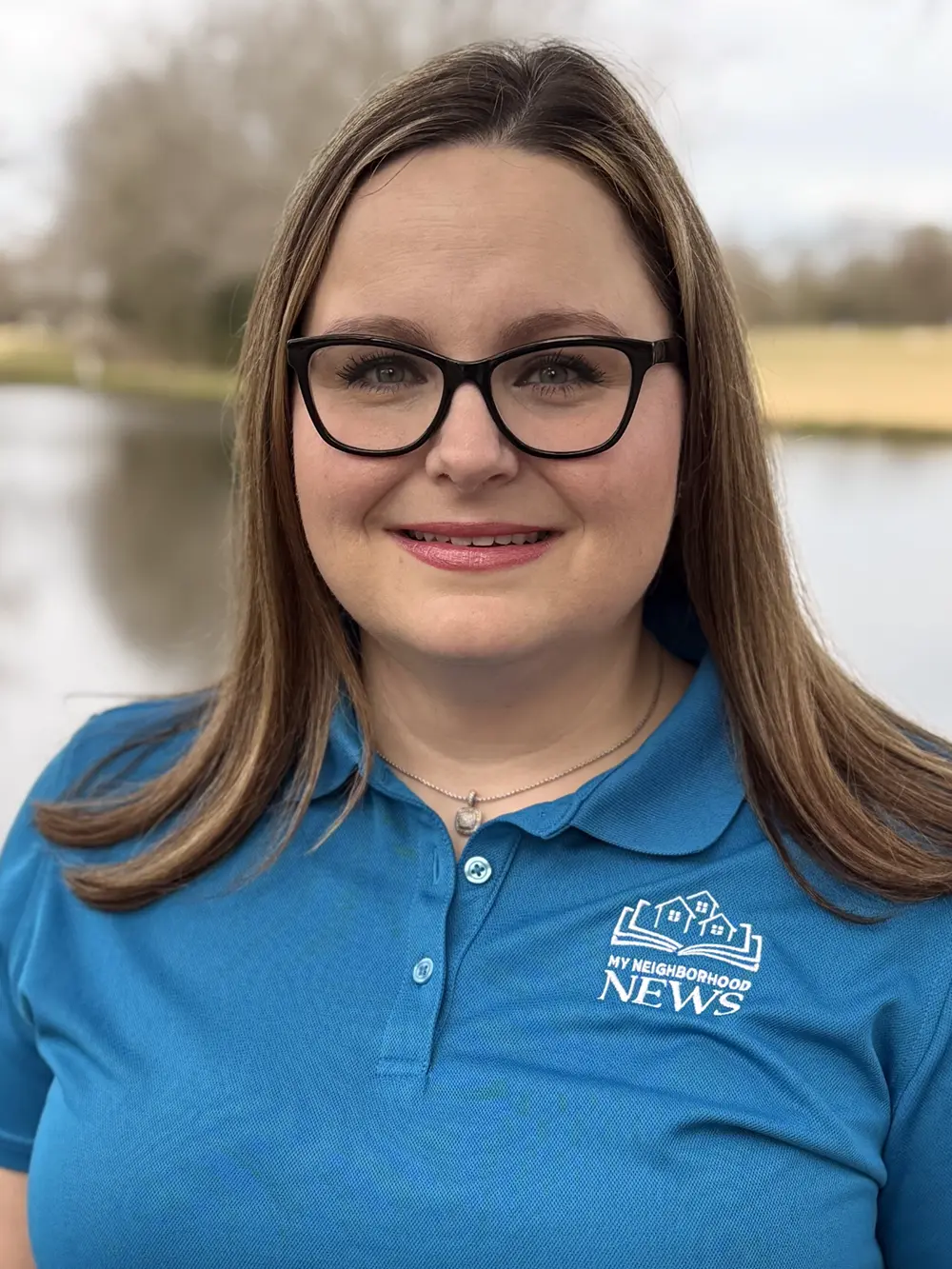 Tiffany Krenek has been on the My Neighborhood News team since August 2021. She is passionate about curating and sharing content that enriches the lives of our readers in a personal, meaningful way. A loving mother and wife, Tiffany and her family live in the West Houston/Cypress region.
Do you own a business?