







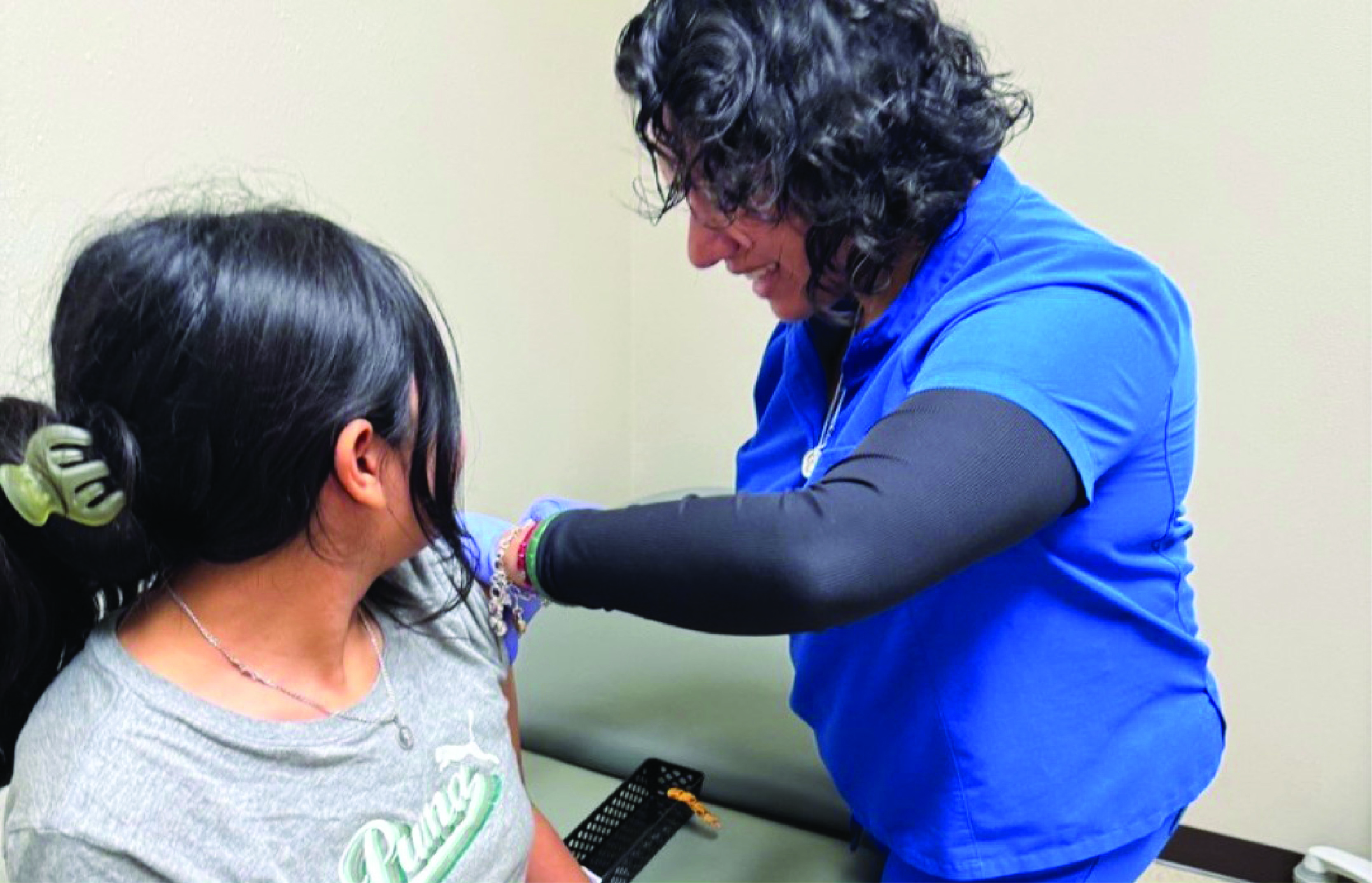
Medicaid Community Engagement Requirements Could Expand by 2027: What Houston-Area Residents Should Know — and Where to Get Help
A new federal push to expand Medicaid community engagement requirements could eventually affect how certain adults maintain Medicaid coverage — and for Houston-area residents, the biggest question is practical: Who is impacted, what would be required, and where can people get help if the rules change?
This week, the Centers for Medicare & Medicaid Services (CMS) announced that 10 health technology companies with existing Medicaid eligibility and enrollment contracts have pledged to provide states with more than $600 million in no-cost and significantly discounted technology products and services. CMS says the goal is to help states implement community engagement requirements enacted under President Trump’s Working Families Tax Cut (WFTC) legislation (Public Law 119-21) while also accelerating broader modernization of Medicaid systems.
CMS officials said these commitments are expected to generate savings for states and taxpayers over time and improve the beneficiary experience.
For Greater Houston — including Houston, Cypress, Katy, Spring, Tomball, West Houston, and surrounding areas— the announcement matters because Medicaid policy changes can affect coverage stability, and local families often rely on a network of safety-net clinics, workforce programs, and nonprofit support organizations to navigate eligibility, renewals, and access to care.
What are Medicaid community engagement requirements?
Community engagement requirements generally refer to rules that require certain adults enrolled in Medicaid to participate in approved activities such as:
- Employment (working)
- Job training programs
- Education (including certain school or credential programs)
- Volunteering/community service
CMS describes community engagement as a way to strengthen connections to work, education, and community-based opportunities while modernizing Medicaid systems and improving the beneficiary experience.
Important: These requirements do not apply to everyone on Medicaid. The federal law targets specific groups of adults, and implementation details — including exemptions and reporting processes — will vary by state.
What this could mean for Texans — and why Houston residents are paying attention
Texas has not adopted ACA Medicaid expansion, but federal policy analysts have noted that some non-expansion states may still have groups potentially affected through waiver coverage pathways, depending on how community engagement requirements are implemented.
For Houston-area residents, the local impact will depend on how Texas applies the federal requirements and what systems are put in place to support compliance and reporting.
Even before any changes take effect, many families are watching closely because Medicaid coverage often supports:
- Preventive care and checkups
- Prescription medications
- Chronic condition management
- Mental and behavioral health services
- Care for low-income adults and families who may not have affordable employer coverage
Why this matters now, even though the deadline is 2027
States are required to implement community engagement requirements by January 1, 2027, and CMS says states may choose to implement earlier.
That timeline may sound distant, but large system changes often take years to build, test, and roll out. For residents, the most immediate concern is typically not the policy debate — it’s the possibility of coverage disruptions caused by confusion, paperwork issues, or difficulty accessing online systems.
In a region as large and diverse as Greater Houston, barriers that can make reporting requirements harder include:
- Unpredictable work schedules and fluctuating hours
- Transportation challenges
- Childcare responsibilities
- Limited internet or phone access
- Language barriers
- Difficulty uploading documents or navigating online portals
If reporting becomes required for certain adults, local organizations that already help residents with benefits, job placement, and care access may become even more important.
CMS says new technology support could modernize Medicaid systems
CMS says participating companies intend to help states implement the requirements efficiently while accelerating broader modernization of Medicaid systems.
The companies listed by CMS include Accenture, Acentra Health, Conduent, GDIT, Deloitte, Gainwell, Maximus, Curam by Merative, Optum, and RedMane.
CMS also referenced efforts to expand testing environments and support automated, consent-based data verification for income, education, and related activities. The agency highlighted an open-source tool called EMMY, which is designed to streamline eligibility determinations and provide access to verification data sources through EMMY APIs, along with free technical resources.
CMS says it has also encouraged tools to support outreach, community-based referral coordination, and secure data sharing — with the stated goal of minimizing administrative burden for both agencies and beneficiaries.
What Houston-area residents can do now to stay prepared
Even without knowing exactly how Texas will implement the requirements, residents can take a few practical steps now that may help reduce stress later.
1) Keep your contact information updated
Coverage issues often happen because renewal notices or requests for information never reach the recipient. If your phone number, email, or address changes, make sure your information is current.
2) Keep important documents organized
If verification or reporting becomes more common, it may help to keep easy access to:
- Pay stubs or proof of income
- Work schedules or employer documentation
- School enrollment records or class schedules
- Training program participation documentation
- Volunteer documentation (if applicable)
- ID documents
3) Track participation if your work or schedule changes often
For residents working variable shifts, it can help to keep a simple record of weekly hours worked or training/class participation — especially if reporting requirements are introduced.
4) Know where to turn for help
Houston has a strong network of organizations that can help residents find resources, connect to training programs, and access healthcare services.
Where to get help in Greater Houston: clinics, benefits navigation, job training, and legal support
If residents need help understanding eligibility rules, locating job training options, or navigating documentation and reporting requirements, the Houston area already has organizations doing that work every day.
Healthcare access and community clinics (Greater Houston)
These organizations provide affordable healthcare for uninsured and underinsured residents, and many also help connect patients to additional support services:
- Spring Branch Community Health Center (SBCHC)
- WholeLife Clinic (Houston), Pitner Clinic (Houston), Hillendahl Clinic (Houston), Cy Fair Clinic (Cypress)
- Harris Health System
- Legacy Community Health
- San José Clinic
- HOPE Clinic
- Vecino Health Centers
- Christ Clinic (Katy)
- Central Care Community Health Center
- St. Hope Healthcare
- Michael E. DeBakey VA Medical Center
Benefits navigation and community resource support
These groups can help residents locate programs, referrals, and guidance:
- Texas Health and Human Services (HHSC)
- United Way of Greater Houston / 211
- BakerRipley
- Houston Area Urban League
Job training and workforce support (Houston-Galveston region)
If employment or training participation becomes part of maintaining coverage for certain adults, these organizations may help residents connect to opportunities:
- Workforce Solutions (Houston-Galveston Area)
- SERJobs / SER – Jobs for Progress
- Goodwill Houston
- Houston Community College (HCC)
- Lone Star College
Food and stability support (Greater Houston, Cypress, Cy-Fair, Katy, Tomball, Spring)
For families balancing work, school, and healthcare needs, these organizations help with food assistance, rent/utility support, case management, and emergency resources — especially during job transitions or paperwork-heavy periods.
Regional + Houston-wide support
- Houston Food Bank (food distribution network across Greater Houston)
- Kids’ Meals (free meals delivered to homes for preschool-aged children in qualifying areas)
- Catholic Charities of the Archdiocese of Galveston-Houston (family services and crisis support)
- Interfaith Ministries for Greater Houston (community assistance and supportive services)
- United Way of Greater Houston / 211 (referrals for food, housing, utilities, and benefits help)
Cypress / Cy-Fair / Northwest Houston support
- Cy-Fair Helping Hands (food pantry and emergency assistance for local families)
- Cy-Hope (family support programs, youth and community services in Cy-Fair)
- Cypress Assistance Ministries (CAM) (food pantry, financial assistance, and client support services)
- Northwest Assistance Ministries (NAM) (food pantry, housing and financial assistance, and supportive services)
- Fair Haven Food Pantry (community-based food support in the Cy-Fair area)
- MESA Outreach (assistance services, including food and basic needs support)
Katy / West Houston support
- Katy Christian Ministries (KCM) (food pantry, crisis assistance, and supportive services for Katy-area residents)
- Food for Families (at First United Methodist Church of Katy) — weekly food distribution
- Katy Cares Campus (multiple partners) — coordinated social services site including food
Tomball / North Houston support
- Tomball Emergency Assistance Ministries (TEAM) (food pantry and emergency assistance for Tomball-area families)
Legal help, disability advocacy, and support for appeals
If residents face eligibility issues or need help understanding exemptions and rights:
- Disability Rights Texas
- Houston Volunteer Lawyers
- Lone Star Legal Aid
- Houston-Galveston Area Council (H-GAC) Area Agency on Aging
Why Houston’s role matters: community support may determine whether implementation is smooth
CMS has framed community engagement as an opportunity for states to modernize systems and strengthen connections to work, education, and community-based opportunities.
For Houston-area residents, the real-world experience will depend on how clearly the rules are communicated, how accessible reporting tools are, and whether residents can easily connect to programs that count toward participation requirements.
If community engagement requirements apply to certain adults in Texas, the organizations already supporting families across Greater Houston — including clinics, workforce partners, nonprofits, and legal aid groups — may help residents avoid coverage gaps and stay connected to care.
Key date to know
January 1, 2027: States are required to implement Medicaid community engagement requirements by this date (states may choose to implement earlier).
The bottom line for Houston-area residents
CMS says its new partnerships with major technology vendors will help states implement community engagement requirements efficiently while modernizing Medicaid systems and improving the beneficiary experience.
For Houston-area residents, the biggest takeaway is this: if reporting or participation requirements expand for certain adults, local help already exists — and residents can take steps now to stay organized, informed, and connected to resources.

 Tiffany Krenek has been on the My Neighborhood News team since August 2021. She is passionate about curating and sharing content that enriches the lives of our readers in a personal, meaningful way. A loving mother and wife, Tiffany and her family live in the West Houston/Cypress region.