







Houston-Area Braces for Winter Storm: How to Protect People, Pets, Plants, and Pipes This Weekend
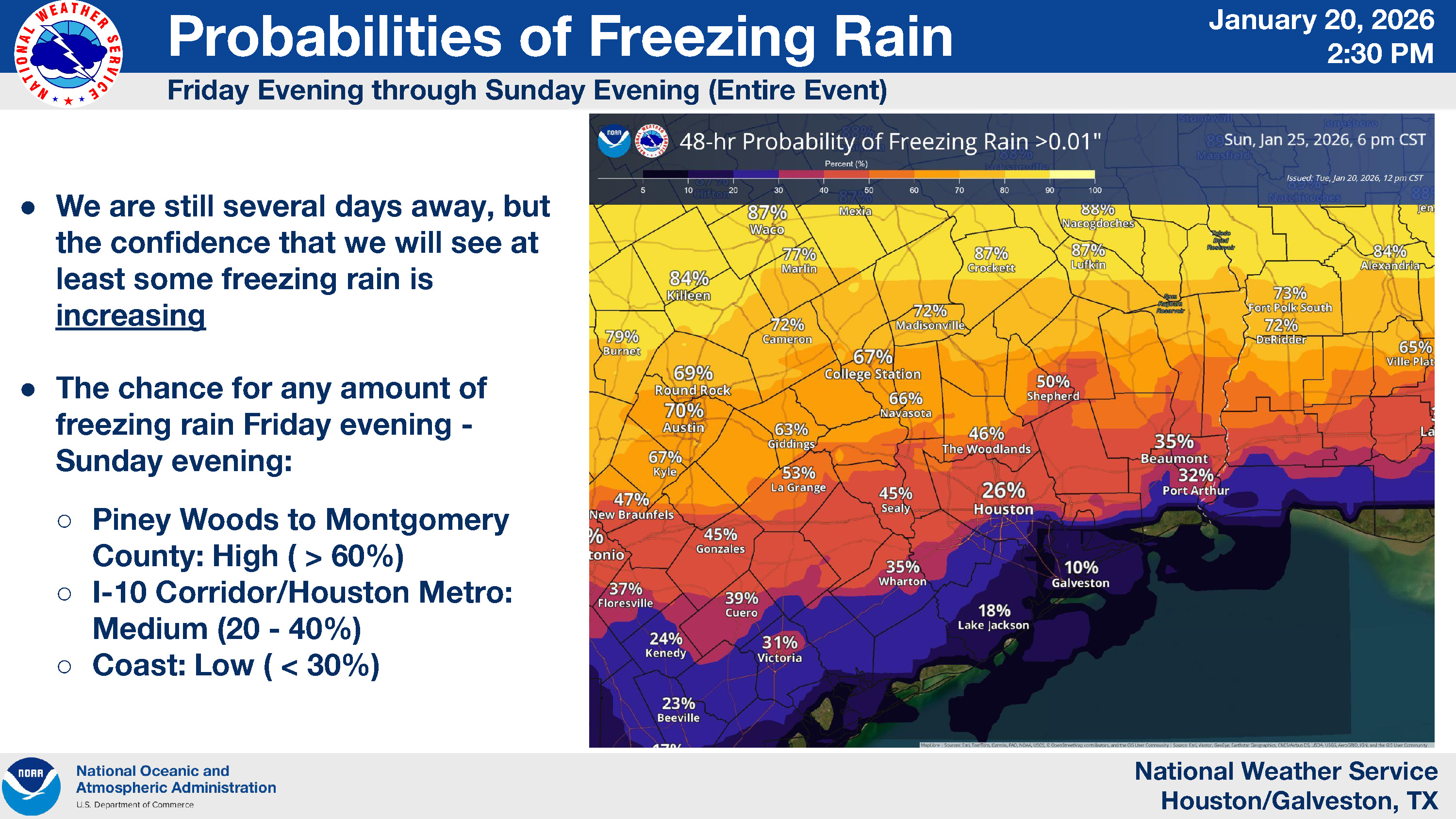
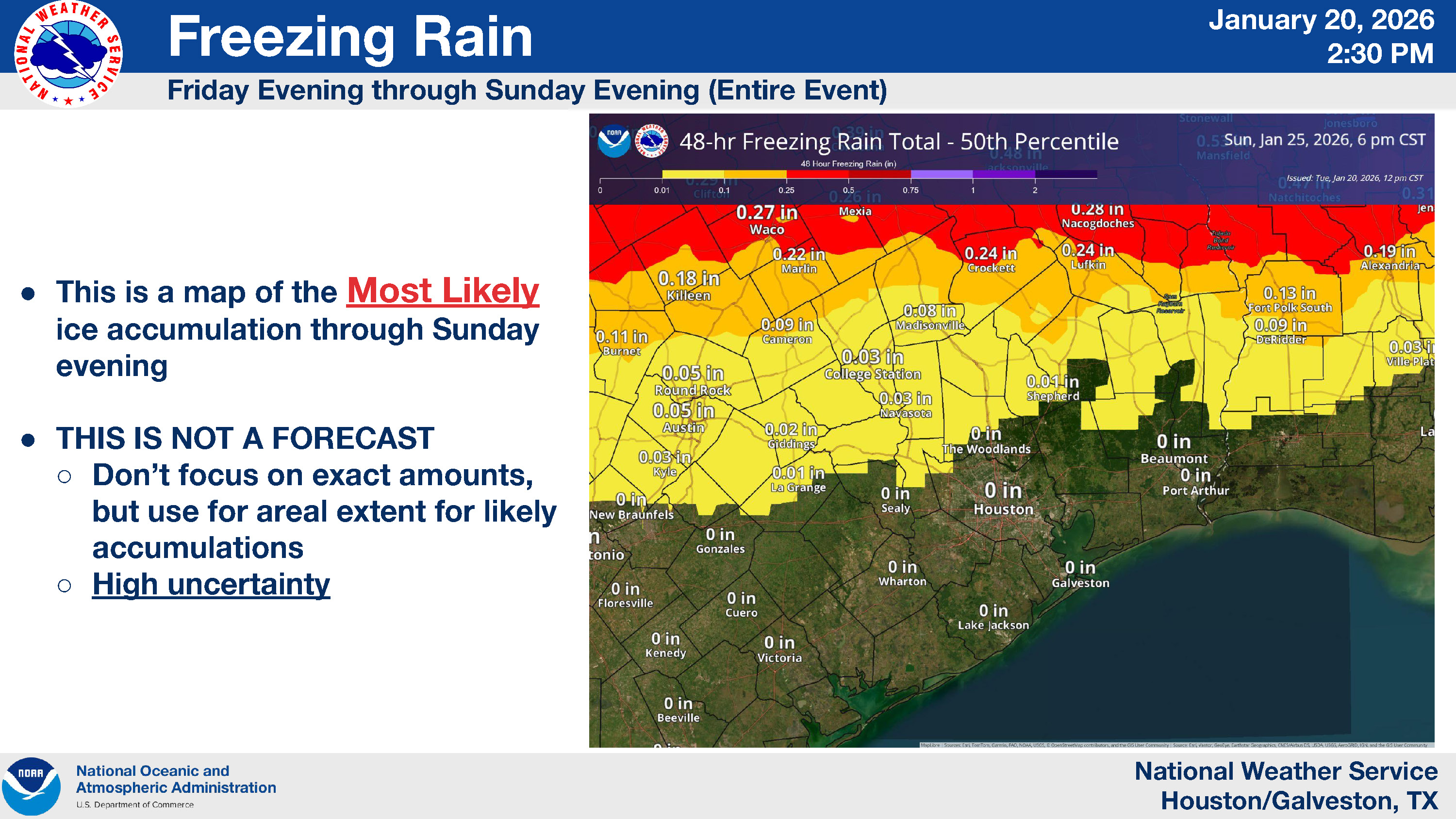
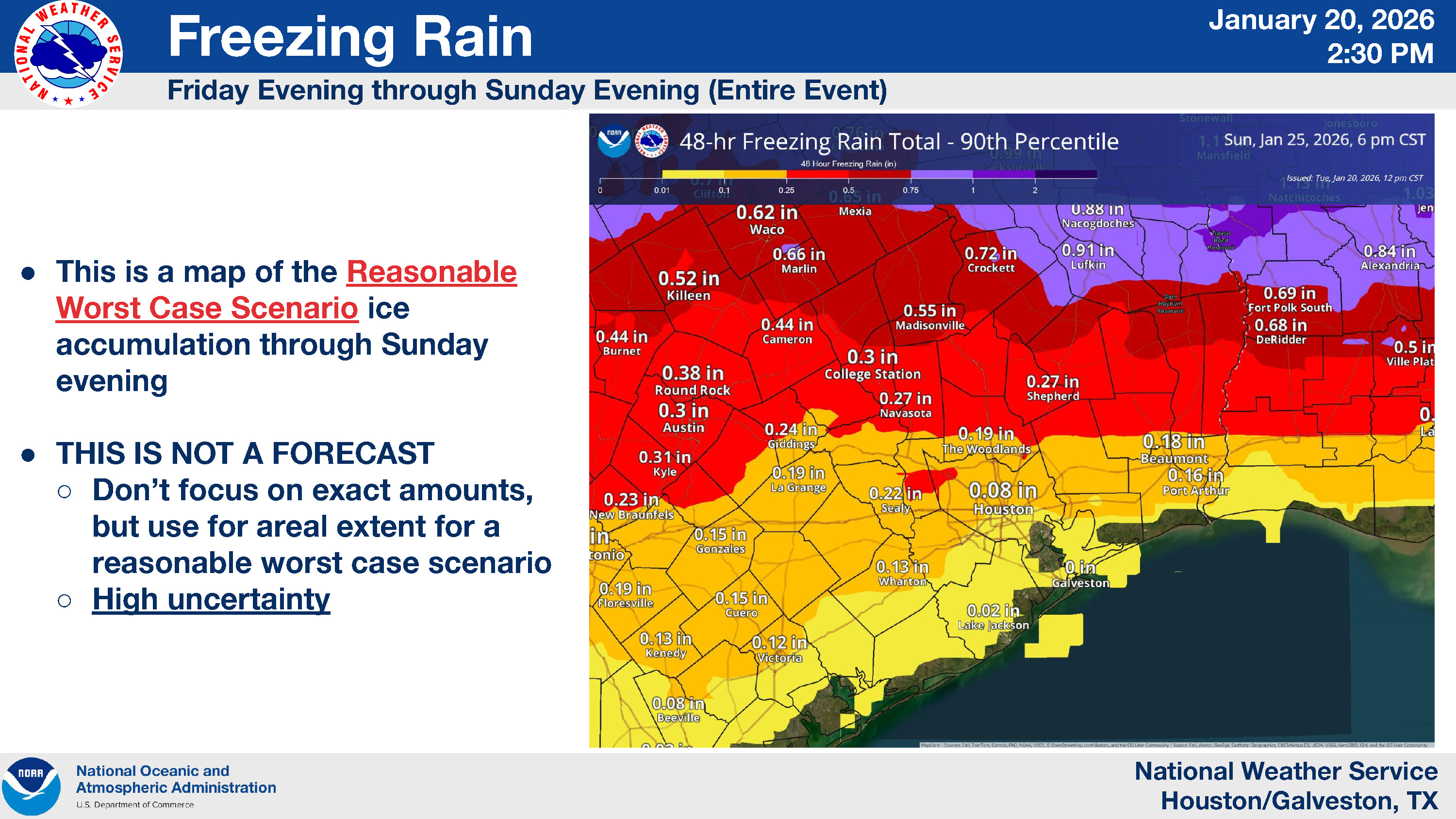
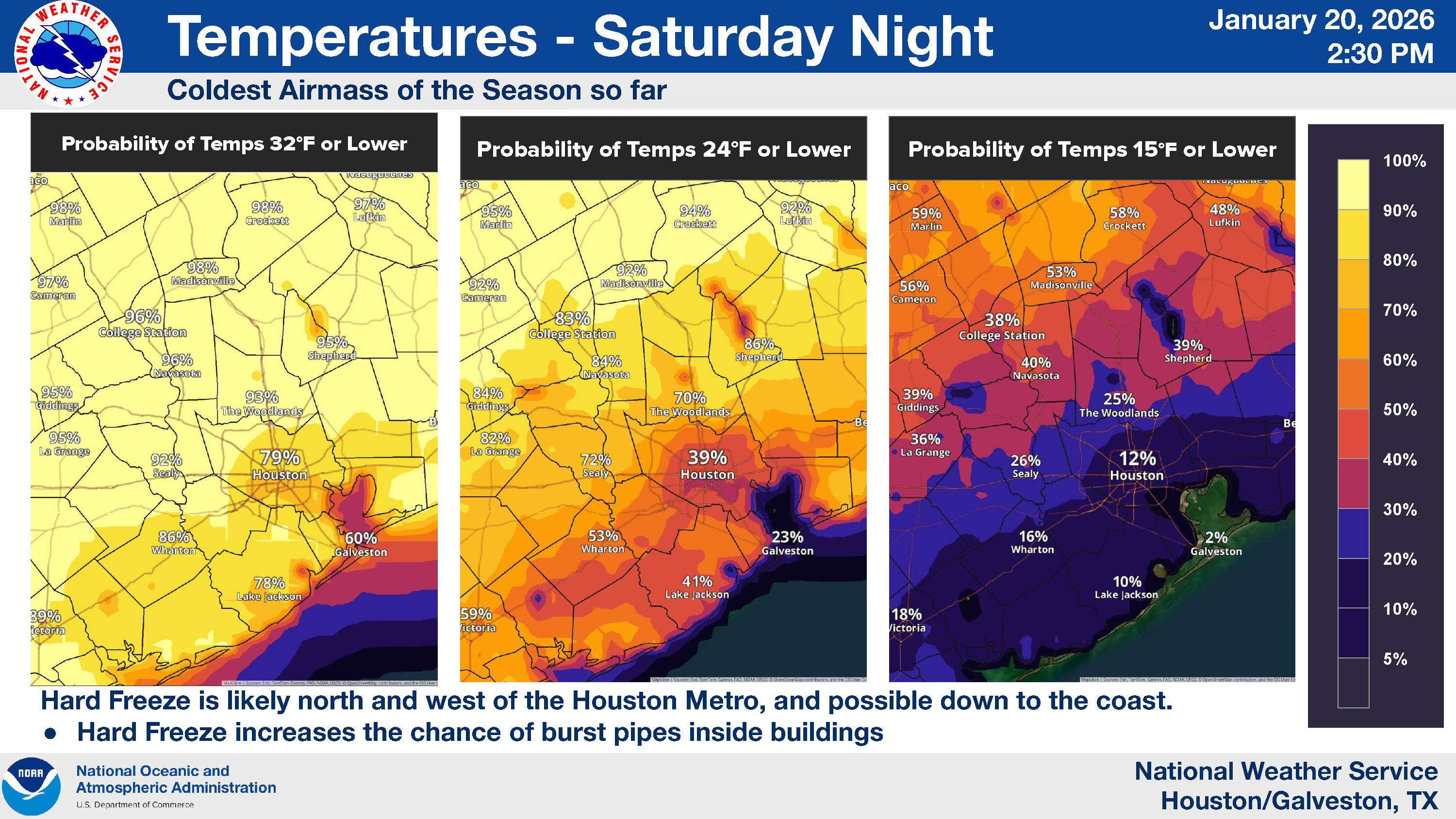
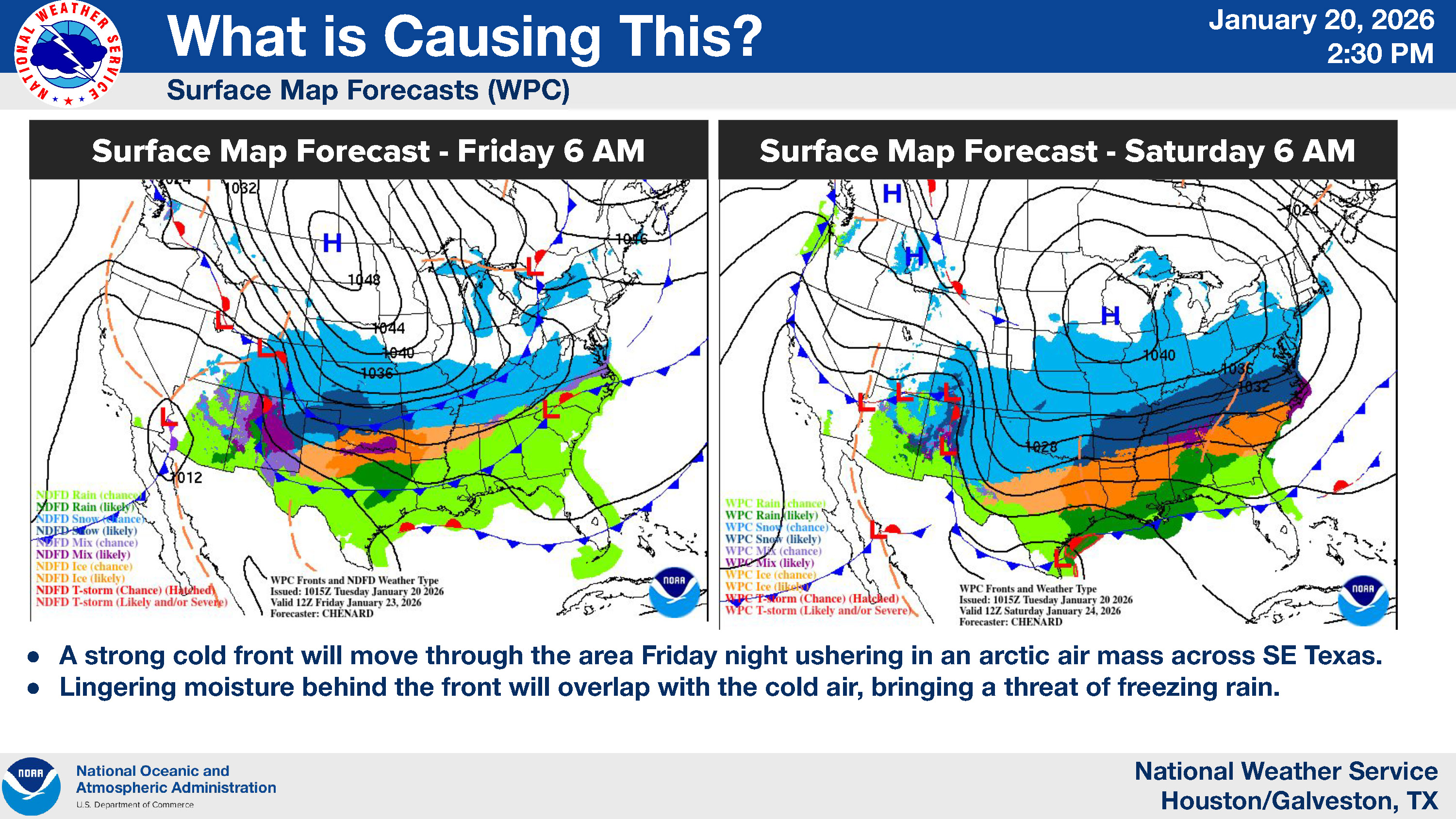
Southeast Texas residents are being urged to prepare now as a significant arctic cold front pushes toward the Greater Houston area, bringing with it an arctic air mass. The National Weather Service (NWS) in Houston/Galveston warns of freezing rain, ice accumulation, and hard freezes beginning Friday night and continuing through Monday morning, impacting communities from Katy and Cypress to Spring, Tomball, Fulshear, and Magnolia.
What makes this system especially hazardous is that lingering moisture behind the front is expected to overlap with the freezing temperatures—creating ideal conditions for freezing rain and ice accumulation across the region.
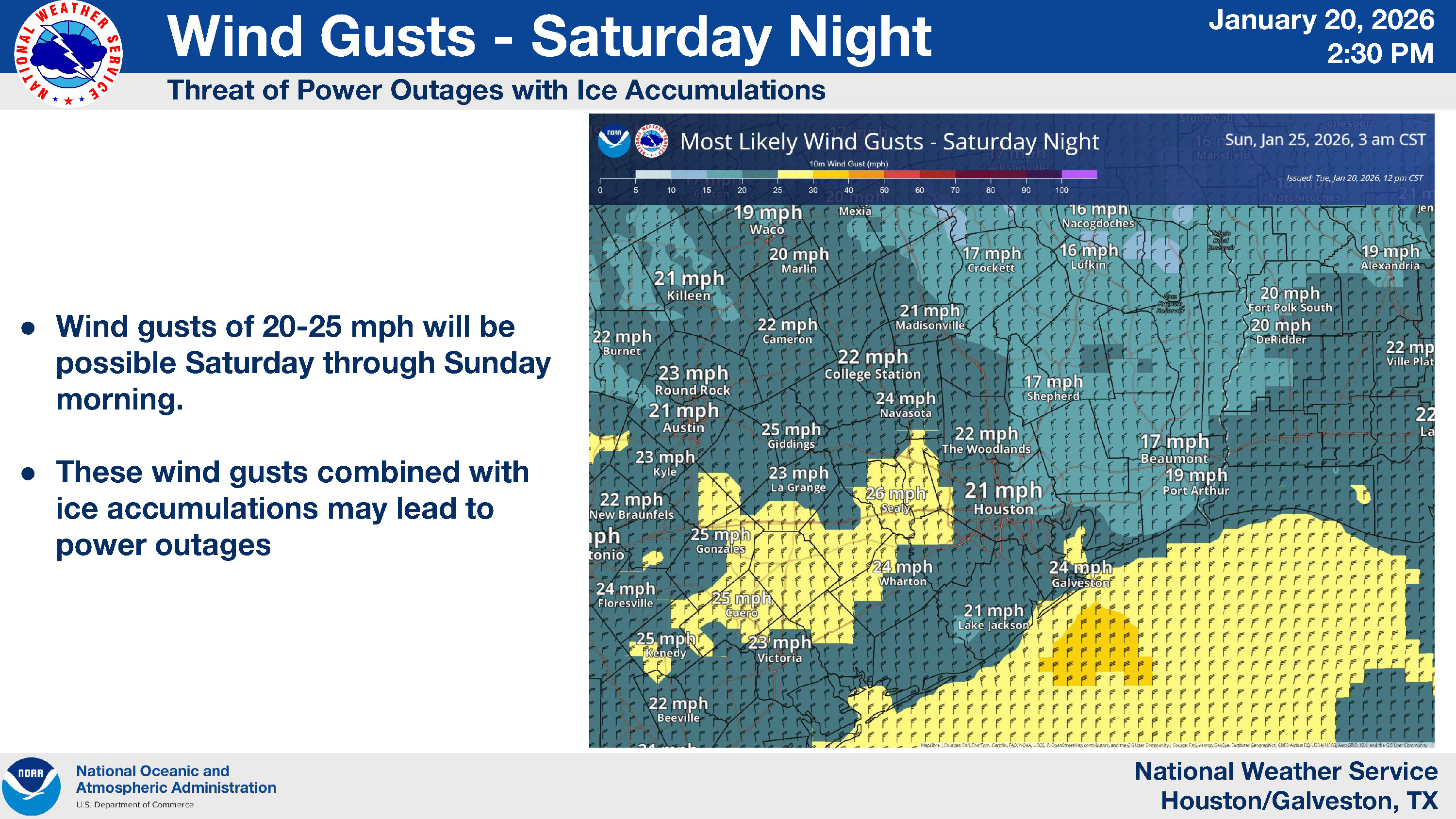
While many are familiar with hurricanes and flooding, winter weather poses a different set of dangers—especially in areas unaccustomed to prolonged subfreezing temperatures. This weekend, the region may see wind chills in the teens and nighttime lows in the low 20s or even the teens in outlying areas. The potential for burst pipes, power outages, and plant loss is high.
Here’s how to protect your home and your loved ones—people, pets, plants, and pipes—as temperatures drop.
PROTECTING PEOPLE: SAFETY FIRST INSIDE AND OUT
Experts from the CDC and FEMA emphasize that the biggest threats during a winter storm include hypothermia, frostbite, and carbon monoxide poisoning.
To stay safe:
-
Dress in layers, with hats, gloves, and wind-resistant outerwear when going outside. Wet clothes chill the body quickly—stay dry and avoid overexertion.
-
Watch for signs of hypothermia, including confusion, shivering, drowsiness, and slurred speech. Babies and elderly adults are particularly vulnerable.
-
Use space heaters with caution—keep them 3 feet away from anything flammable, never plug them into extension cords, and never leave them unattended
-
Avoid indoor use of generators or grills. Carbon monoxide is odorless and deadly. Keep generators at least 20 feet from doors and windows and install battery-operated CO detectors.
-
If stranded in a car, stay inside, run the heater intermittently, and ensure the tailpipe is clear of snow to prevent CO poisoning.
PROTECTING PETS AND OUTDOOR ANIMALS
Houston Humane Society and local animal services stress: If it’s too cold for you, it’s too cold for your pets.
-
Bring pets indoors, especially at night. Important Note: Texas law prohibits tethering dogs in freezing conditions.
-
Designate an indoor potty space, particularly for older or smaller dogs.
-
Avoid walks near salt or chemicals, which can burn paws. Wipe paws and bellies after outdoor time.
-
Provide shelter for strays using hay or straw—not hay, which retains moisture—and insulated DIY shelters.
-
Set out bowls of warm water in plastic dishes to help wildlife access hydration during a freeze
To report neglected or exposed animals, contact:
-
Harris County Animal Cruelty Task Force: 832-927-PAWS
-
Fort Bend County Animal Services: 281-342-1512
-
Montgomery County Animal Services: 936-442-7738
PROTECTING PLANTS: FREEZE PREP FROM TEXAS A&M AGRILIFE
Even brief exposure to freezing temperatures can ruin gardens and damage trees. The Texas A&M AgriLife Extension Service recommends:
-
Cover tender plants with frost blankets, old sheets, or row covers—avoid using plastic directly on foliage. Cover should extend to the ground and be secured loosely to trap soil warmth.
-
Water soil thoroughly the day before a freeze. Moist soil retains more heat.
-
Move container plants indoors or group them together, mulch around them, and cover.
-
Use mulch for insulation, especially around perennials and young trees.
-
Avoid pruning or fertilizing now—it can trigger tender new growth vulnerable to freeze damage.
If plants freeze, wait to prune until spring when damage can be fully assessed. Scraping bark to reveal brown tissue is a clear sign of freeze injury.
For additional information about protecting your plants ahead of the freeze, visit this comprehensive guide previously published by My Neighborhood News.
PROTECTING PIPES: PREVENT BURSTS BEFORE THEY START
According to the Texas Department of Insurance, burst pipes are among the most costly winter storm claims—and they're often preventable.
-
Wrap pipes in unheated areas like garages, attics, and under sinks.
-
Open cabinet doors under sinks to let warm air circulate.
-
Let faucets drip—especially the one furthest from your main shutoff. A slow drip relieves pressure and introduces slightly warmer water into the system.
-
This works because it relieves pressure buildup from freezing, which is what actually causes pipes to burst—not just the ice itself.
-
-
Turn off sprinklers and disconnect hoses.
-
If leaving home, shut off the water and keep heat on low.
If pipes freeze, turn off the water supply immediately to prevent flooding when they thaw.

STORM TRAVEL & POWER OUTAGES: PLAN AHEAD
The NWS advises staying off the roads, especially if freezing rain or black ice develops Friday night through Sunday. Even small amounts of ice can create dangerous driving conditions.
-
Charge phones, stock flashlights, and store extra batteries.
-
Prepare an emergency car kit with blankets, jumper cables, and non-perishable snacks
-
Monitor local updates at weather.gov/houston.
TIMELINE: WHAT TO EXPECT
-
Friday Night (Jan. 23): Arctic front arrives; freezing rain begins overnight.
-
Saturday (Jan. 24): Hard freeze possible with wind chills in the teens; icy roads likely north of I-10.
-
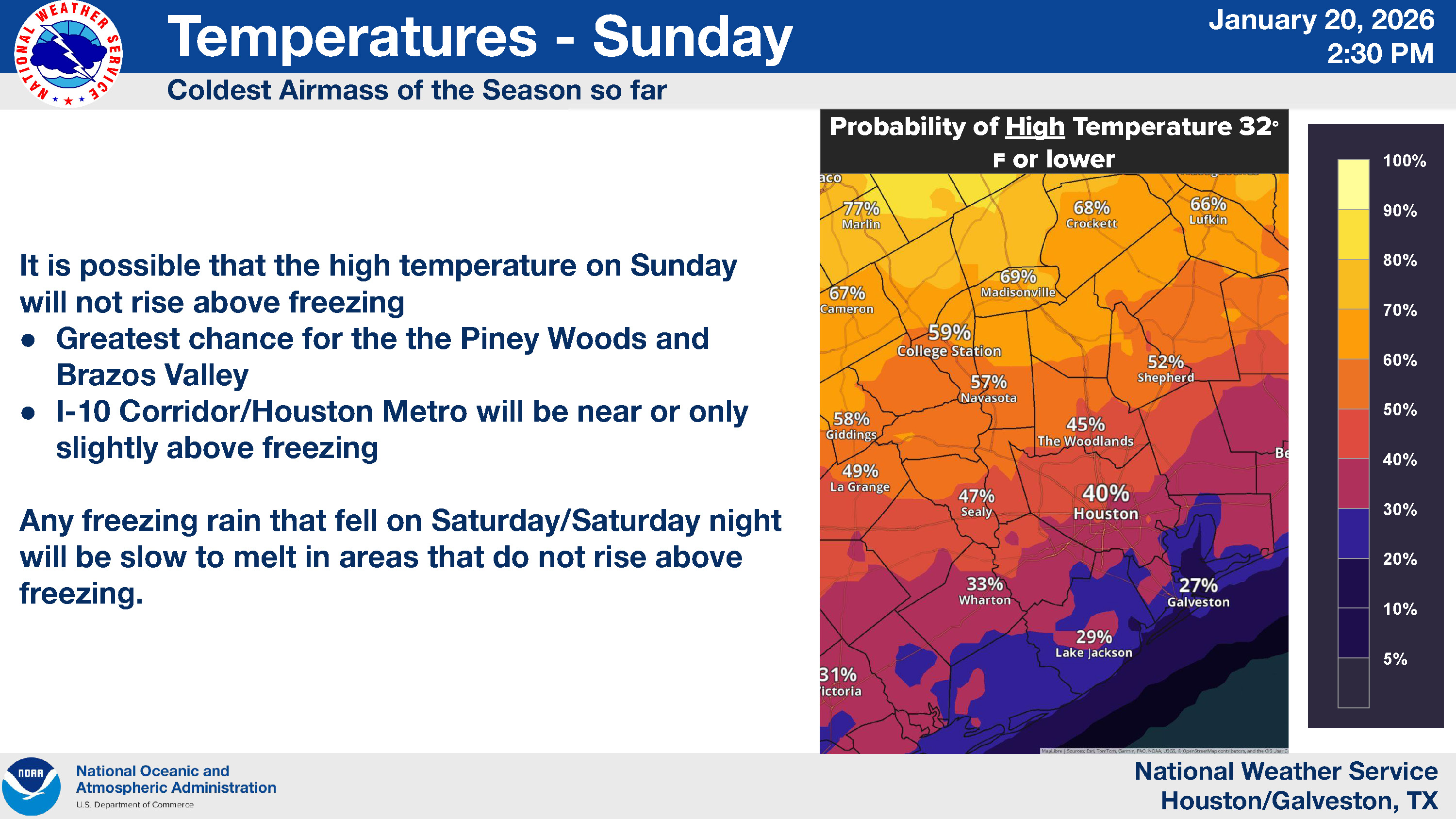
Sunday (Jan. 25): Temps may not rise above freezing; re-freezing of roads expected overnight.
- Monday Morning (Jan. 26): Slow thaw begins.
Residents in Montgomery County, Harris County, Fort Bend County, and surrounding areas should complete all preparations by Friday afternoon


FINAL THOUGHTS
While Greater Houston isn’t a stranger to the occasional freeze, the upcoming arctic blast could rival the region’s most damaging cold snaps. By preparing now—whether it’s wrapping your pipes, covering your citrus trees, or bringing your pets inside—residents across Cypress, Katy, Spring, Tomball, and Northwest Houston can stay safe, warm, and avoid costly damages.

 Tiffany Krenek has been on the My Neighborhood News team since August 2021. She is passionate about curating and sharing content that enriches the lives of our readers in a personal, meaningful way. A loving mother and wife, Tiffany and her family live in the West Houston/Cypress region.
Local business spotlight
Grow your business
where trust already lives.
Let’s introduce your business to the neighbors nearby.
Have a local favorite?
Let’s make an introduction.
Leave your email and our team will reach out with ways to promote your business.
Give a local favorite a little love.
Know a business your neighbors should discover? Tell us who they are.
We couldn’t send that just yet. Please try again.