







New Harris County COVID-19 Report Shows Over 1 Million Cases Since 2020, Rising Long COVID Highlights Ongoing Health Impact
For many families across Harris County, COVID-19 may feel like a chapter that has closed. But a newly released Harris County Public Health (HCPH) COVID-19 Response and Surveillance Report (2020–2023) makes clear that while overall infections are declining, the long-term effects of the virus continue to shape community health across Houston and surrounding municipalities.
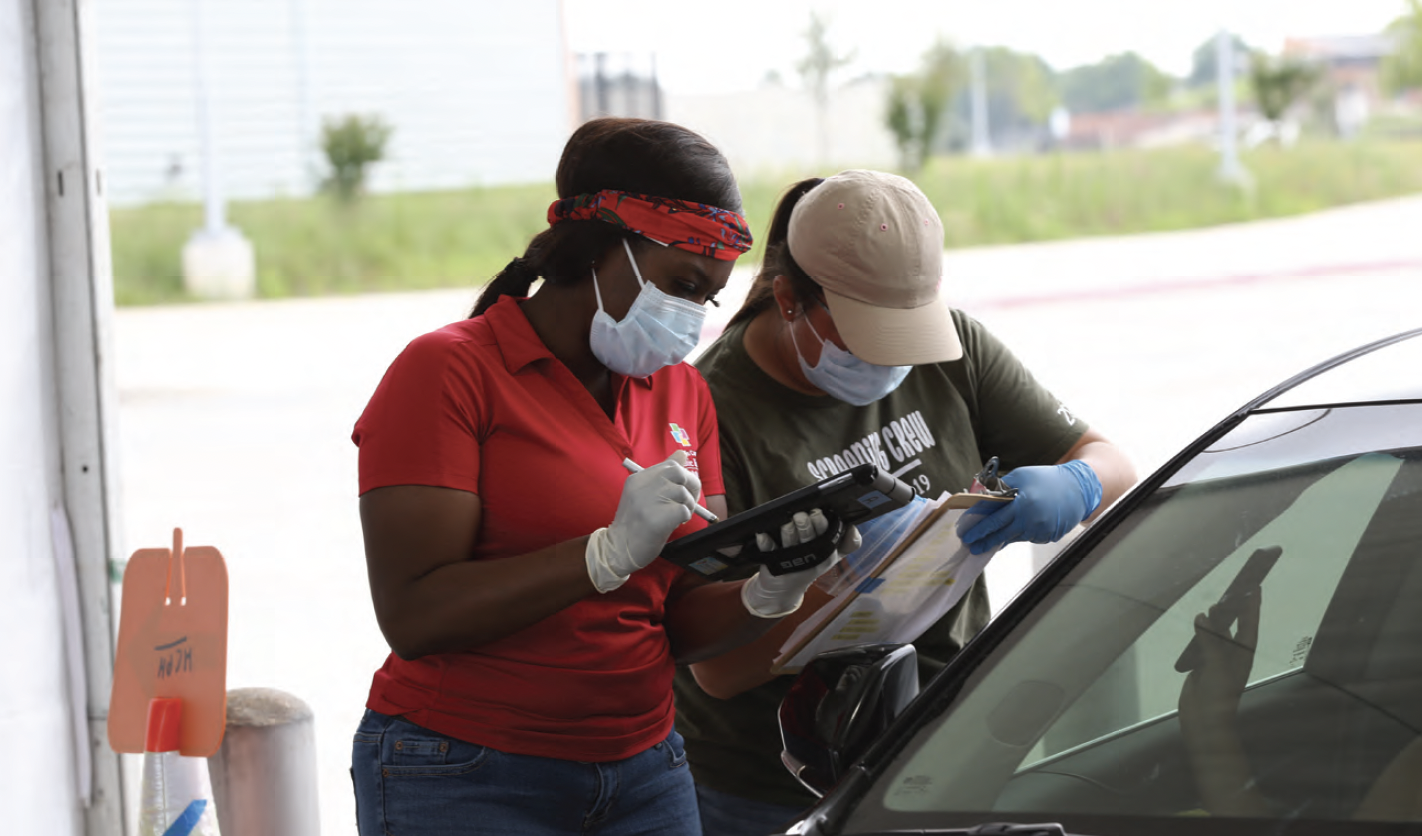
The comprehensive report documents the scale of the pandemic locally — and what it means moving forward for residents, healthcare providers, schools, and county leadership. Between 2020 and 2023, Harris County recorded more than one million confirmed COVID-19 cases, over 19,000 hospitalizations, and 11,532 deaths, reflecting one of the most significant public health events in the county’s history.
Yet the report is not simply a look backward.
As overall COVID-19 activity declines, Long COVID cases continue to rise, creating new challenges for families navigating persistent respiratory, neurological, cardiovascular, and cognitive symptoms months after initial infection.
What the Data Shows in Harris County
According to the Harris County Public Health report:
- Over 1,064,000 confirmed COVID-19 cases were reported from 2020–2023
- 19,038 hospitalizations occurred during that period
- 11,532 residents lost their lives to COVID-19
- 1,885 Long COVID emergency department and urgent care encounters were documented between 2021–2023
While Texas ended mandatory COVID-19 reporting requirements in March 2024 and national hospitalization reporting concluded in May 2024, HCPH notes that continued monitoring remains essential to protect vulnerable populations.
The report shows that hospitalization rates significantly declined after early 2022, particularly during the Omicron wave. Although Omicron proved more transmissible, it generally caused less severe illness compared to earlier variants like Delta, especially as immunity increased through vaccination and prior infection.
The Centers for Disease Control and Prevention (CDC) reports that by the end of 2023, approximately 98–99% of Americans had some form of immunity from vaccination, infection, or both. Vaccination remains strongly protective against severe disease; Texas data shows individuals vaccinated with the bivalent booster were 11 times less likely to die from COVID-19 compared to unvaccinated individuals.

Long COVID: A Growing Concern in Houston and Harris County
While case counts have declined, Long COVID — also referred to by the CDC as Post-COVID Conditions (PCC) — continues to affect residents across age groups.
The CDC defines Long COVID as a range of symptoms that persist or develop four or more weeks after initial infection. Symptoms may include:
- Fatigue
- Brain fog
- Shortness of breath
- Joint pain
- Anxiety and depression
Nationally, CDC data estimates that 6.9% to 17.6% of U.S. adults have experienced Long COVID, with Texas estimates slightly higher at 18.3%.
In Harris County, surveillance data indicates:
- Adults aged 40–49 experienced the highest Long COVID encounter rates
- Adolescents showed notable emergency and urgent care visits, particularly ages 10–18
- Females were more likely than males to report Long COVID encounters
- Higher diagnosis density appeared in Northwest and Southwest Harris County, overlapping with areas of stronger healthcare access
Public health officials caution that Long COVID is likely underreported, particularly in underserved communities where access to primary care, specialty services, and diagnostic follow-up may be limited.
Health Disparities and Social Determinants of Health
Harris County is the third most populous county in the United States and one of the most diverse, with approximately:
- 44% Hispanic/Latino residents
- 20% Black residents
- 27% White residents
- 7% Asian residents
- 26% foreign-born population
The report highlights how non-medical determinants of health — including income stability, housing conditions, education access, healthcare coverage, and transportation — shaped COVID-19 outcomes.
Texas continues to have the highest uninsured rate in the nation, and Harris County’s uninsured rate remains above the national average. Limited access to healthcare, language barriers, employment in frontline occupations, and crowded housing conditions contributed to higher exposure and more severe outcomes in certain populations.
CDC research confirms that racial and ethnic minority communities nationwide experienced higher infection rates, hospitalization, and death during the pandemic due to structural and systemic inequities.
Long COVID management presents additional challenges, as outpatient COVID care has averaged approximately $3,000, and hospitalizations can exceed $18,000 — costs that can place significant strain on uninsured or underinsured families.

How Harris County Public Health Responded
The report outlines extensive response efforts led by HCPH, which serves approximately 2.5 million residents in unincorporated Harris County and 30 municipalities, while coordinating countywide services including mosquito control, refugee health, and Ryan White HIV programs.
Between 2020–2023, HCPH:
- Investigated over 721,000 COVID-19 cases
- Received 1.55 million calls through its COVID call center
- Distributed over 811,500 masks
- Hosted more than 2,600 outreach events
- Distributed over 95,000 antigen test kits
- Operated mass vaccination sites, including at NRG Stadium
- Launched wastewater surveillance across treatment plants as an early warning system
- Developed a public COVID-19 dashboard
- Created a Long COVID self-reporting portal
HCPH also partnered with community-based organizations, faith leaders, schools, and local governments to improve vaccine equity and reach high social vulnerability ZIP codes using the CDC Social Vulnerability Index.
Preparing for the Next Public Health Emergency
HCPH leaders emphasize that the report is not about reliving the pandemic — it is about preparedness.
Documenting lessons learned ensures institutional memory is preserved. Infrastructure built during COVID-19 now supports responses to measles cases, tuberculosis investigations, and future infectious disease threats.
The report outlines several key calls to action aligned with CDC recommendations:
- Improve indoor air quality in public buildings and schools
- Expand non-pharmaceutical interventions during outbreaks
- Increase funding for school health and safety
- Strengthen cross-sector collaboration
- Continue wastewater epidemiology monitoring
- Combat misinformation with transparent communication
CDC research consistently shows that ventilation improvements, vaccination, and layered prevention strategies reduce respiratory virus transmission and lessen healthcare system strain.

Upcoming COVID-19 Report Webinar
Harris County Public Health is inviting county leadership, medical partners, and community members to attend a free webinar presenting the findings of the COVID-19 Response and Surveillance Report.
The webinar will review:
- Pandemic history in Harris County
- Long COVID trends
- Surveillance innovations
- Preparedness strategies
Registration is available at: https://bit.ly/COVIDReportWebinar2026.
Why This Matters for Harris County Residents
For homeowners, families, business owners, and educators across Houston and Harris County, the report reinforces an important truth: public health infrastructure protects community stability.
Lower infection rates reduce hospital strain. Vaccination reduces severe illness and death. Long COVID monitoring helps families access care sooner. Wastewater surveillance provides early warning before outbreaks escalate.
A healthier population supports economic resilience, workforce stability, and school continuity.
Harris County Public Health states its mission is to protect health, prevent disease and injury, and promote well-being for all 5 million residents countywide. Accredited through the Public Health Accreditation Board since 2018, HCPH continues to collaborate with the Houston Health Department, local hospitals, and state and federal partners to strengthen preparedness.
The COVID-19 pandemic reshaped Harris County in measurable ways. This new report ensures those lessons inform what comes next.
Residents are encouraged to review the report, attend the webinar, and stay engaged with ongoing public health initiatives.
Stay tuned to My Neighborhood News for continuing coverage of Harris County Public Health updates and community health initiatives.

 Tiffany Krenek has been on the My Neighborhood News team since August 2021. She is passionate about curating and sharing content that enriches the lives of our readers in a personal, meaningful way. A loving mother and wife, Tiffany and her family live in the West Houston/Cypress region.
Local business spotlight
Grow your business
where trust already lives.
Let’s introduce your business to the neighbors nearby.
Have a local favorite?
Let’s make an introduction.
Leave your email and our team will reach out with ways to promote your business.
Give a local favorite a little love.
Know a business your neighbors should discover? Tell us who they are.
We couldn’t send that just yet. Please try again.