







Before You Deck the Halls: How Wimbledon Estates Residents Can Reduce Fire Risks From Christmas Trees and Indoor Lights
As Thanksgiving gives way to Christmas decorating season, families in Wimbledon Estates are bringing boxes of ornaments, wreaths and holiday lights out of storage. Before the first strand of lights goes on the tree, a few household safety checks can help protect loved ones and homes throughout the 2026 holiday season.
The National Fire Protection Association (NFPA) and U.S. Fire Administration (USFA) offer practical guidance for preventing fires involving indoor Christmas decorations. From checking electrical cords to keeping a natural tree hydrated, the precautions are worth making part of the annual decorating tradition.
How to Check Indoor Christmas Lights Before Decorating
Holiday lights deserve a close inspection before they are plugged in each year. USFA recommends discarding strands with frayed wiring or wires that have been pinched. NFPA also advises replacing strands with loose bulb connections and selecting lights listed by a qualified testing laboratory.
Households should check whether each set is labeled for indoor use and consult the manufacturer's instructions before joining multiple strands. The permitted number of connected sets depends on the product. For lights hung along mantels or interior walls, decorating clips are preferable to nails, which can damage wiring.
Avoid Overloading Electrical Outlets and Power Strips
With illuminated trees, miniature holiday villages and other decorations competing for electrical outlets, USFA advises against exceeding the capacity of outlets or power strips. Power strips should have built-in overload protection, and plugs should sit securely and completely in their sockets.
Damaged extension cords should be replaced rather than returned to service for another season. Routing cords beneath rugs or through places where furniture can pinch them can damage the wiring. Lamps and fixtures should use bulbs that meet their recommended wattage, with combustible decorations kept away from bulbs and fixtures.
Planning where decorations will be placed before unpacking them gives families an opportunity to arrange their displays around the available electrical connections instead of crowding everything around a single outlet.
How to Reduce Christmas Tree Fire Hazards
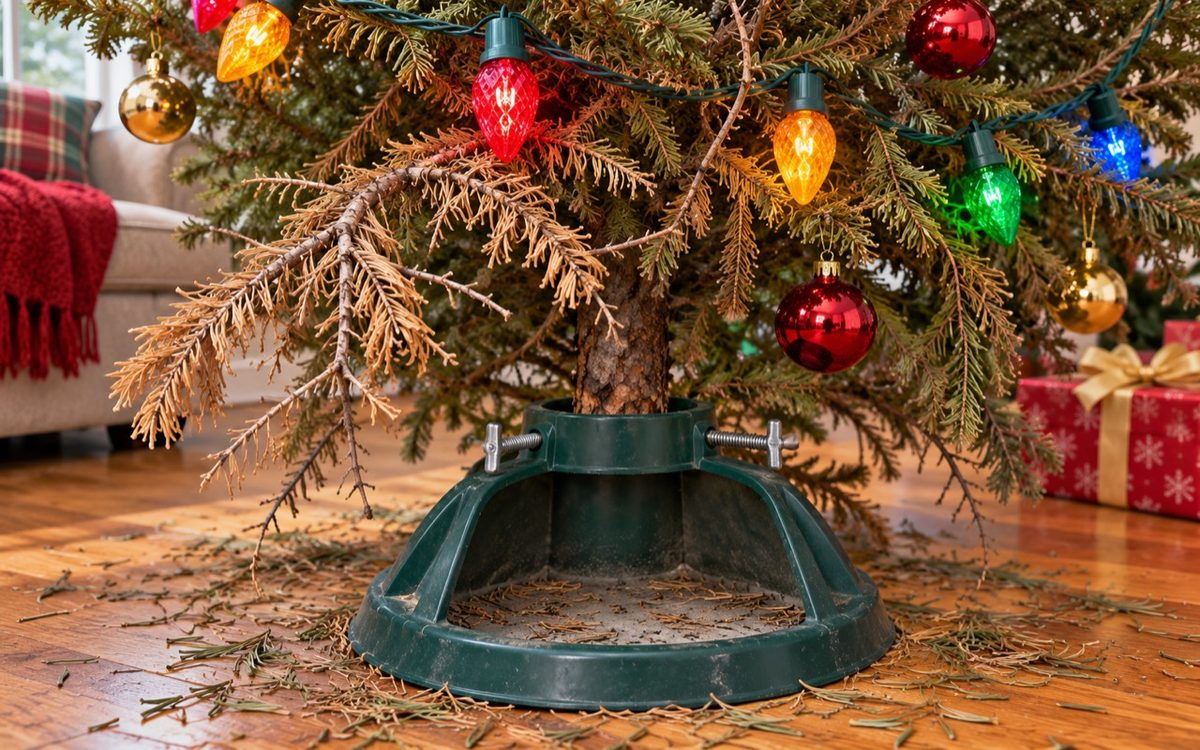
For households choosing a real Christmas tree, NFPA recommends looking for green, fresh needles that remain attached when touched. Before setting up the tree, trim two inches from the bottom of its trunk and fill the stand with water.
Checking and replenishing the water should become a daily household routine. USFA warns that a dried-out Christmas tree can burn intensely and rapidly. Trees should also have at least three feet of separation from fireplaces, space heaters, radiators, heating vents and other heat sources.
NFPA advises taking natural trees out of the home after Christmas or sooner if they become dry. A dried tree should not be stored in the garage or left against the exterior of the house. Residents can check their community's recycling options when planning disposal.

Keep Holiday Candles, Decorations and Exits Safe
Battery-powered flameless candles offer an alternative for households that enjoy the soft glow of candlelight. USFA recommends keeping burning candles at least 12 inches from combustible materials and placing them in sturdy holders where they are unlikely to be knocked over. Burning candles should never be placed on a Christmas tree.
NFPA recommends choosing flame-resistant or flame-retardant decorations and keeping doorways and windows free of decorations. The tree itself should not obstruct an exit. Families hosting holiday gatherings should test their smoke alarms and familiarize visitors with the household's fire escape plan. Children and pets should be kept away from burning candles.
Make Holiday Fire Safety Part of the Nighttime Routine
Before the last person heads to bed, all illuminated holiday decorations should be switched off. The same precaution applies whenever the household leaves home. Candles should be extinguished whenever someone leaves the room or retires for the night.
Families looking for a printable reminder to keep with their holiday decorations can download NFPA's Christmas Tree Safety guide and Winter Holiday Safety guide. Both can help households share seasonal precautions with relatives and guests.

 Johnny Krenek has been connected to community news since childhood, growing up alongside the family business his parents founded—Krenek Printing. Today, he serves as Vice President and lead developer for My Neighborhood News, where he drives the digital experience and supports the team across a variety of technical and operational roles. He is passionate about building tools that help connect neighbors and strengthen communities.