







Greater Houston Area Invited to Dunes Day on Jan. 24: Volunteer and Donate Trees to Help Protect Coastline and Inland Communities
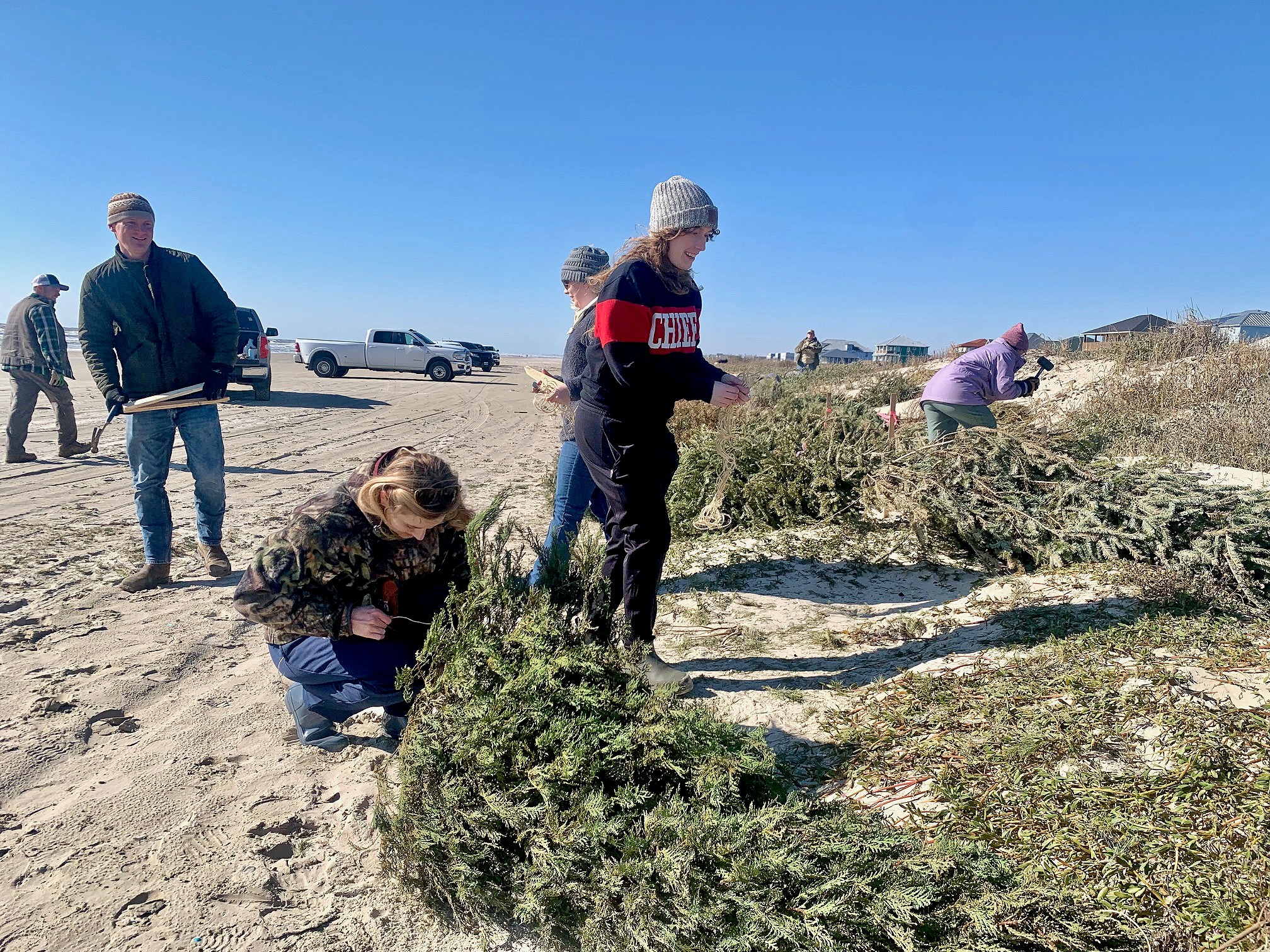
Greater Houston residents from Houston, Pasadena, Clear Lake, Pearland, League City, and beyond are invited to lend a hand on January 24, 2026, as Brazoria County Parks hosts Dunes Day at Stahlman Park in Surfside Beach. The event, running from 9 a.m. to 12 p.m., brings people together to place recycled Christmas trees along beaches on Follett’s Island to rebuild and strengthen coastal sand dunes—natural landforms that play a vital role in protecting both shoreline and inland communities from the impacts of severe weather and storm surge.
The county’s parks department is seeking volunteers of all ages and live Christmas trees to help jumpstart the dune building process. Trees can be donated at any of eight Brazoria County drop-off locations through January 20, 2026. Volunteers should dress for active outdoor work with long sleeves, long pants, closed-toe shoes, work gloves, and a hammer to drive stakes into the sand. A chili dog lunch will be served starting at 11:30 a.m. at Stahlman Park, and filtered water will be available for refilling reusable bottles to help reduce waste.
Drop Off Locations
-
Brazoria County Parks Department Office: 313 W. Mulberry, Angleton, TX, 77515 (MAP)
-
Surfside Beach Main Entrance: 206 Starfish St, Freeport, TX 77541 (MAP)
-
Precinct 1 HQ: 1432 Highland Park Drive, Clute, TX 77531 (MAP)
-
Precinct 2 HQ: 21017 CR 171, Angleton, TX 77515 (MAP)
-
Precinct 3 HQ: 2508 North Gordon Street, Alvin, TX 77512 (MAP)
-
Precinct 4 HQ: 121 North 10th Street, West Columbia, TX 77486 (MAP)
-
Manvel Substation: 7313 Corporate Drive, Manvel, TX 77578 (MAP)
-
Stella Roberts Recycling Center: 5800 Magnolia, Pearland, TX 77584 (MAP)
How dunes protect the Gulf Coast and Greater Houston
Sand dunes are far more than scenic coastal features; they are natural defense systems that reduce storm damage, coastal flooding, and shoreline erosion. According to the Texas General Land Office’s Dune Protection and Improvement Manual, dunes help safeguard inland areas by absorbing the energy of waves and storm surge, preventing or delaying water intrusion during hurricanes and tropical storms. When dunes are weakened, “inland areas become more vulnerable to hurricanes and tropical storms,” increasing the risk of property damage and flooding in coastal and inland communities alike.
For the Greater Houston area, including Houston, Pasadena, Baytown, and Clear Lake, healthy dune systems along the Gulf Coast at Galveston Bay and barrier islands like Galveston Island and Follett’s Island are especially important. These barrier islands and associated dunes act as the first line of defense for the mainland, absorbing some of the worst impacts of storm surge before they can push into adjacent bays and estuaries that connect to inland waterways and low-lying urban areas.

Galveston’s dunes have long been recognized for this role. According to the Galveston Nature Tourism Council, “sand dunes are the first line of defense” not only in “keeping the beach in place,” but also in preventing additional storm surge and high waves from flooding homes and businesses along the Gulf Coast. Strengthening these dunes through natural and volunteer-driven restoration helps protect the entire region’s communities and economic infrastructure.
In addition to storm protection, dunes serve as sand reservoirs that contribute to beach stability. As described by coastal science experts, dunes help maintain shoreline systems by storing sand that can be redistributed to nourish beaches during and after erosion events, supporting long-term resilience of the coastline.
Make a day of it: Eco-friendly things to do in Surfside
Explore Surfside Jetty Park and Beach
Surfside Jetty Park is a prime spot to observe coastal erosion control structures, tidal movement, and marine life up close. The jetty helps manage sand movement and protect the shoreline—making it a real-world example of why dune restoration matters. Visitors often spot seabirds, dolphins offshore, and coastal vegetation adapted to harsh Gulf conditions. According to the Texas General Land Office, jetties and dunes work together to stabilize shorelines and reduce erosion during storms.
Visit the Quintana Neotropical Bird Sanctuary (Minutes Away)
Just south of Surfside in Quintana, the Quintana Neotropical Bird Sanctuary, operated by the Gulf Coast Bird Observatory, offers walking trails through wetlands, coastal prairie, and woodland habitats. The sanctuary is known for migratory birds that rely on healthy Gulf Coast ecosystems. Conservation organizations note that dunes, wetlands, and barrier islands form interconnected systems that support bird migration and biodiversity while also buffering inland areas from storm surge.
Learn About Sea Turtle Conservation (Seasonal Education)
Surfside Beach is part of a protected sea turtle nesting area, and local organizations periodically provide educational outreach about nesting season, dune preservation, and minimizing light pollution. According to the National Park Service and Texas Parks and Wildlife Department, dunes play a critical role in providing safe nesting habitat for sea turtles and protecting nests from flooding.
Beachcombing With a Conservation Lens
Walking the beach in Surfside offers a chance to see how natural debris, vegetation, and sand movement shape dune systems. Environmental groups encourage beachgoers to observe—rather than disturb—driftwood, grasses, and shells, which often contribute to natural dune formation and shoreline stability.

Community stewardship and environmental benefits
Beyond shielding inland communities, healthy dunes support unique coastal ecosystems that include specialized plants and wildlife. Island vegetation stabilizes sand and creates habitat for shorebirds and other species, helping sustain biodiversity along the Texas Gulf Coast. Community involvement in dune restoration also raises awareness about responsible stewardship of fragile coastal environments.
For Dunes Day, volunteers will receive hands-on instruction at the meeting location on how and where to stake recycled Christmas trees, which act similarly to sand fences by trapping wind-blown sand and accelerating dune formation. This simple, low-cost method has been used successfully in various coastal restoration projects, including at Galveston Island State Park, where recycled trees have helped rebuild dune systems after major storm erosion.
Brazoria County officials encourage families, students, civic organizations, scout troops, churches, and community groups from the Greater Houston area to participate in this collective effort. Not only does Dunes Day help build dunes that protect beaches and inland neighborhoods, it fosters a sense of shared environmental responsibility and regional resilience in the face of future storms.
For more information about volunteering or tree donation drop-off locations, contact Nathan Murphy, Lead Interpretive Ranger, Brazoria County Parks at 979-864-1152 or nathanm@brazoriacountytx.gov.

 Tiffany Krenek has been on the My Neighborhood News team since August 2021. She is passionate about curating and sharing content that enriches the lives of our readers in a personal, meaningful way. A loving mother and wife, Tiffany and her family live in the West Houston/Cypress region.