







Chapel Run ACC Approval Guide: How to Prepare for Exterior Painting, Fences, Roofing and Yard Projects
Whether a homeowner is considering a roof replacement, a different exterior paint color or a new fence, the paperwork can be just as important as the construction schedule. Chapel Run residents should plan ahead for Architectural Control Committee (ACC) review before beginning covered exterior improvements. The packet posted in the neighborhood's MNN document library calls for detailed supporting materials, and incomplete requests may be returned or denied. Its association-name field is blank, so residents should confirm with Sterling that it remains the current packet for their property.
The Sterling Association Services ACC packet posted for Chapel Run explains the process homeowners should use to describe an improvement and demonstrate how it will fit on their property. Getting these details together before choosing a start date helps avoid delays that can affect contractors, materials and household plans.
What Improvements Require Chapel Run ACC Review?
The posted packet includes project-specific requirements for roof work, exterior painting or staining, fences, solar screens, landscaping and tree work, exterior lighting and shutters, among other changes. Exterior repainting is covered even when the proposed color is the same as the current finish. Replacing something already on the property is therefore not necessarily an exemption from review.
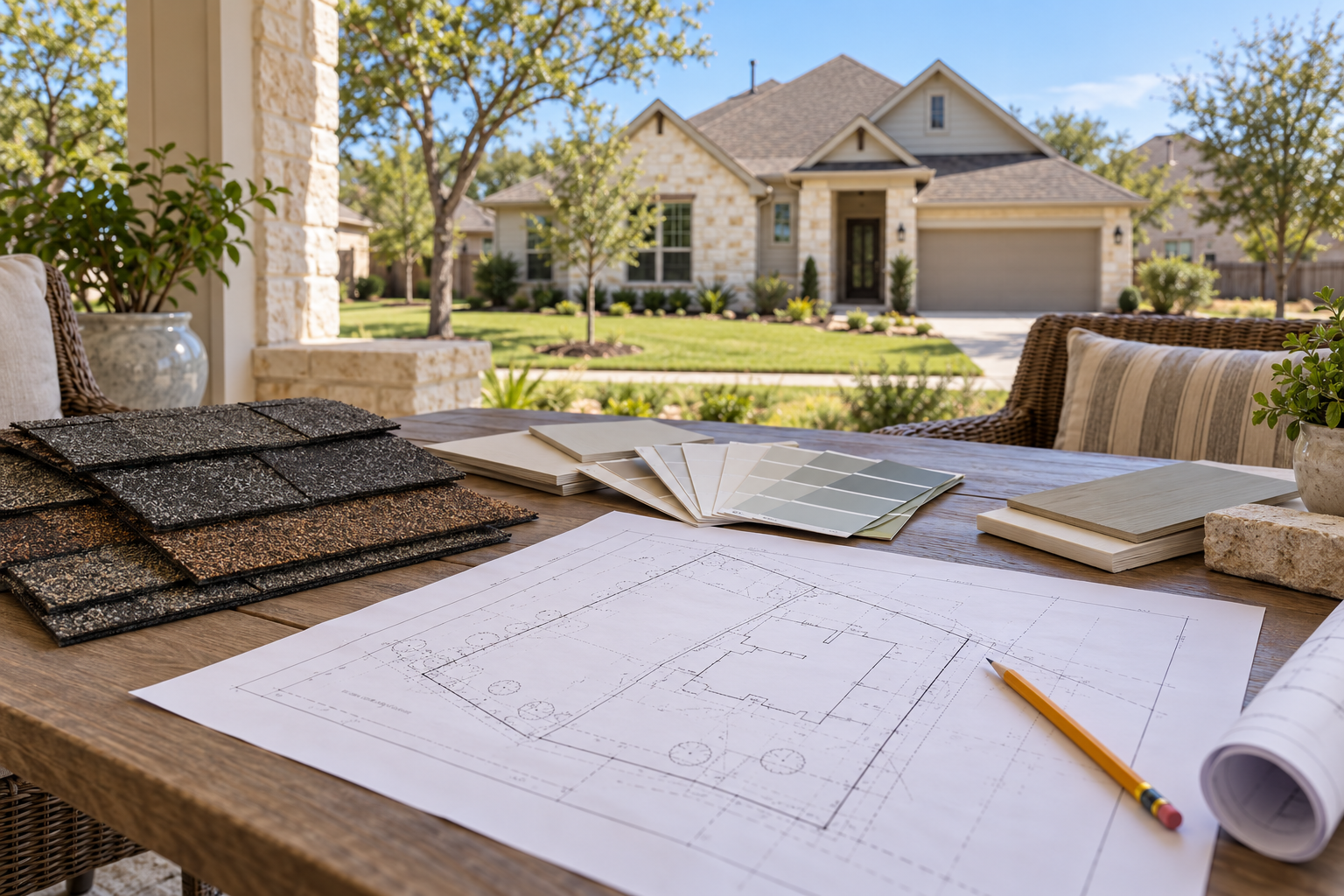
The documentation varies by project. The packet asks for a lot survey marking the project, photographs of the house, side elevations, a top view and dimensions including height where relevant. A patio cover, gazebo or room addition needs side, front and top drawings, materials, colors and samples. A pool submission must show the pool, equipment, decking, taller structures and contractor access. Roofing needs a shingle sample, warranty years, manufacturer and roofer contact. Painting, stain, siding and gutters need color or material samples even if the homeowner plans the same existing color. Fence work needs height, type, material and placement; landscaping or tree work needs the location and type of planting or removal. The packet also specifies evidence for solar screens, doors, shutters, lighting and other projects. Homeowners should consult the applicable project section of the current packet rather than sending a generic description such as 'replace existing.'
Does Chapel Run Have Exceptions?
The current Chapel Run declaration and any separate architectural guidelines were not available to check for narrower exceptions. The posted packet does not identify an exemption for exterior maintenance, same-color painting or small yard projects. Residents should not infer that a project is exempt simply because it is modest in scale or matches a previous installation. Work that stays entirely inside the home without an exterior change is outside the exterior-project application described here, but any uncertainty about work visible from outside should be raised with management before proceeding.
How to Prepare a Complete Chapel Run Application
Download the working Chapel Run ACC packet on My Neighborhood News. The packet includes the application and supporting instructions. Fill in homeowner and property information, describe the project in detail and sign the application. Depending on the work, submit the plans, a lot survey with the improvement's location clearly marked, photographs, samples and other project-specific attachments identified in the packet.
A marked survey helps show where a fence, structure or other proposed work sits relative to the house and property boundaries. Paint or roofing samples and photos help explain materials and appearance. The packet warns that incomplete requests may be denied or returned, so residents should check the application and attachments together before sending anything in. If supporting material is unclear, ask Sterling what the committee needs rather than submitting an incomplete request and hoping to supplement it later.

Where to Submit and How Long to Allow
Sterling Association Services lists its office at 6842 N. Sam Houston Pkwy W., Houston, TX 77064, and phone number 832-678-4500 in the Chapel Run packet. Homeowners should use the packet's current delivery instructions for the completed form and attachments, and contact Sterling to verify the appropriate submission channel and confirm receipt. Keep copies of the signed request, marked survey and other supporting documentation.
The packet says ACC review takes at least 30 days and that applicants receive a decision by letter. Homeowners should not mistake that statement for a guaranteed approval date. Schedule contractors and materials with enough flexibility to accommodate review, possible requests for more information and the formal decision. Work should not start merely because the application was submitted or a contractor has an opening.
What Happens If Work Proceeds Without Approval?
Bypassing review can create problems if the completed improvement conflicts with community standards. Resolving an unapproved change could mean revising plans, replacing materials or modifying finished work, depending on the association's governing documents and its response. Written approval and keeping the work consistent with approved details help homeowners document what the committee authorized.
ACC review is also separate from city or county permitting, utility easements and other legal or construction obligations. Residents considering an exterior project in Chapel Run can begin with the ACC packet posted in the neighborhood library, assemble the required materials and contact Sterling before committing to a start date.

 Johnny Krenek has been connected to community news since childhood, growing up alongside the family business his parents founded—Krenek Printing. Today, he serves as Vice President and lead developer for My Neighborhood News, where he drives the digital experience and supports the team across a variety of technical and operational roles. He is passionate about building tools that help connect neighbors and strengthen communities.