






Winter Birds in Central Texas: What Backyard Birdwatchers Can Expect and How to Attract Them Safely
When winter settles into Central Texas, many backyard birdwatchers are surprised to find more activity, not less. Cooler temperatures and seasonal migration bring a variety of birds into neighborhoods, making winter one of the best times of year to spot species you may not see during the summer.
Whether you’re an experienced birder or just enjoy watching nature from your window, here’s what residents can expect to see — and how to welcome birds safely and responsibly.
Birds You’re Likely to See in Winter
While some birds migrate south for the season, others arrive in central Texas specifically for the winter months.
Common winter visitors include:
-
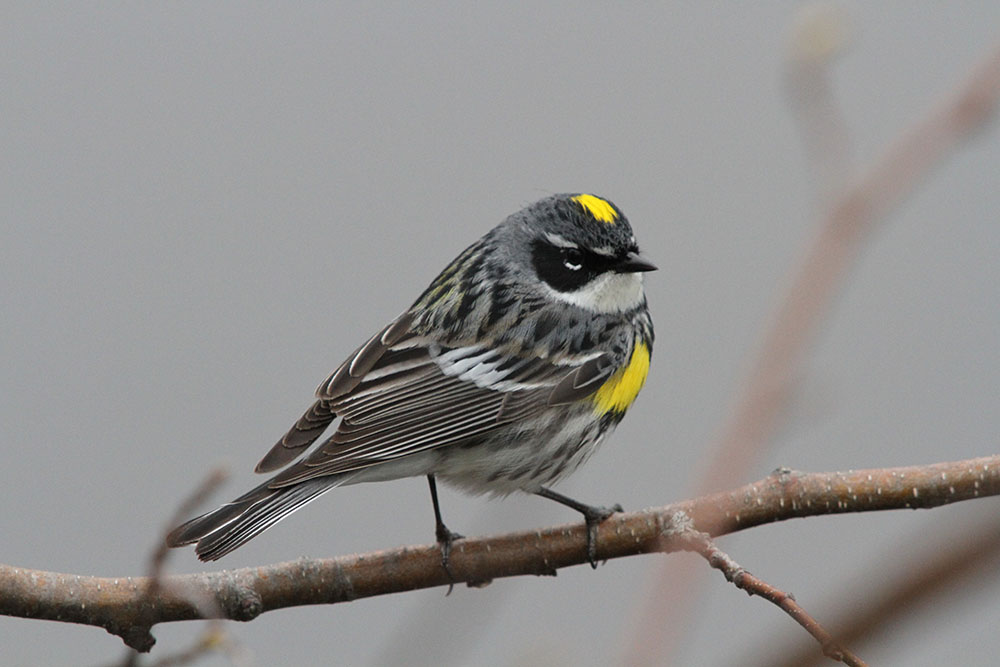
Yellow-rumped Warblers – One of the most widespread winter birds, often seen flitting through trees and shrubs.
-
White-crowned Sparrows – Easily recognized by their striped heads, they often forage on the ground.
-
Ruby-crowned Kinglets – Small, energetic birds that move quickly through branches.
-
Dark-eyed Juncos – Ground-feeding birds commonly seen near shrubs and fences.
-
Cedar Waxwings – Travel in flocks and are often spotted near berry-producing trees.
Year-round residents that become more visible in winter:
-
Northern Cardinals
-
Carolina Chickadees
-
Blue Jays
-
Mockingbirds
-
Downy and Red-bellied Woodpeckers
With fewer leaves on trees, winter also makes birds easier to spot than during the dense greenery of summer.
Why Winter Is a Great Time for Birdwatching
Cold weather increases birds’ energy needs, which means they spend more time foraging — often in open areas like backyards. Shorter days also concentrate feeding activity into morning and late afternoon hours, making sightings more frequent and predictable.
For homeowners, this creates an opportunity to support local wildlife while enjoying a front-row seat to nature.

How to Attract Birds Responsibly
Feeding birds can be helpful during winter, but doing it correctly is important for their health and safety.
Offer the right food
- Black oil sunflower seeds attract many species.
- Suet (a high-energy food made from animal fat, often mixed with seeds or grains) helps birds maintain body heat and energy during colder weather.
- Nyjer (thistle) seed appeals to finches.
- Avoid bread or heavily processed foods.
Provide clean water
- Fresh water is just as important as food.
- Shallow birdbaths should be cleaned regularly.
- During freezing nights, check water sources in the morning.
Keep feeders clean
- Dirty feeders can spread disease.
- Clean feeders every one to two weeks with a mild bleach solution and rinse thoroughly.
Place feeders thoughtfully
- Keep feeders near shrubs or trees for quick shelter.
- Position them far enough from windows to reduce collision risks.
What Not to Do
Well-meaning habits can sometimes cause harm.
- Avoid overfeeding — birds should not become dependent on a single food source.
- Do not use food coloring or flavored seed.
- Resist the urge to disturb nesting or roosting areas.
- Keep cats indoors whenever possible to protect birds.
Planting for Long-Term Bird Support
Native plants provide natural food and shelter that birds rely on year after year. Berry-producing shrubs, native grasses, and seed-bearing flowers offer sustenance without artificial feeding.
Residents who plant native species often notice more birds returning each winter.
A Simple Way to Connect With Nature
Winter birdwatching doesn’t require special equipment or extensive knowledge. A window, a porch, or a quiet moment in the yard is often enough. For many central Texas residents, it becomes a peaceful seasonal ritual — one that supports local wildlife while bringing a little extra life to winter days.
Throughout the winter season, keep an eye out — your backyard may be busier than you think.

 Tiffany Krenek has been on the My Neighborhood News team since August 2021. She is passionate about curating and sharing content that enriches the lives of our readers in a personal, meaningful way. A loving mother and wife, Tiffany and her family live in the West Houston/Cypress region.
Local business spotlight
Grow your business
where trust already lives.
Let’s introduce your business to the neighbors nearby.
Have a local favorite?
Let’s make an introduction.
Leave your email and our team will reach out with ways to promote your business.
Give a local favorite a little love.
Know a business your neighbors should discover? Tell us who they are.
We couldn’t send that just yet. Please try again.