







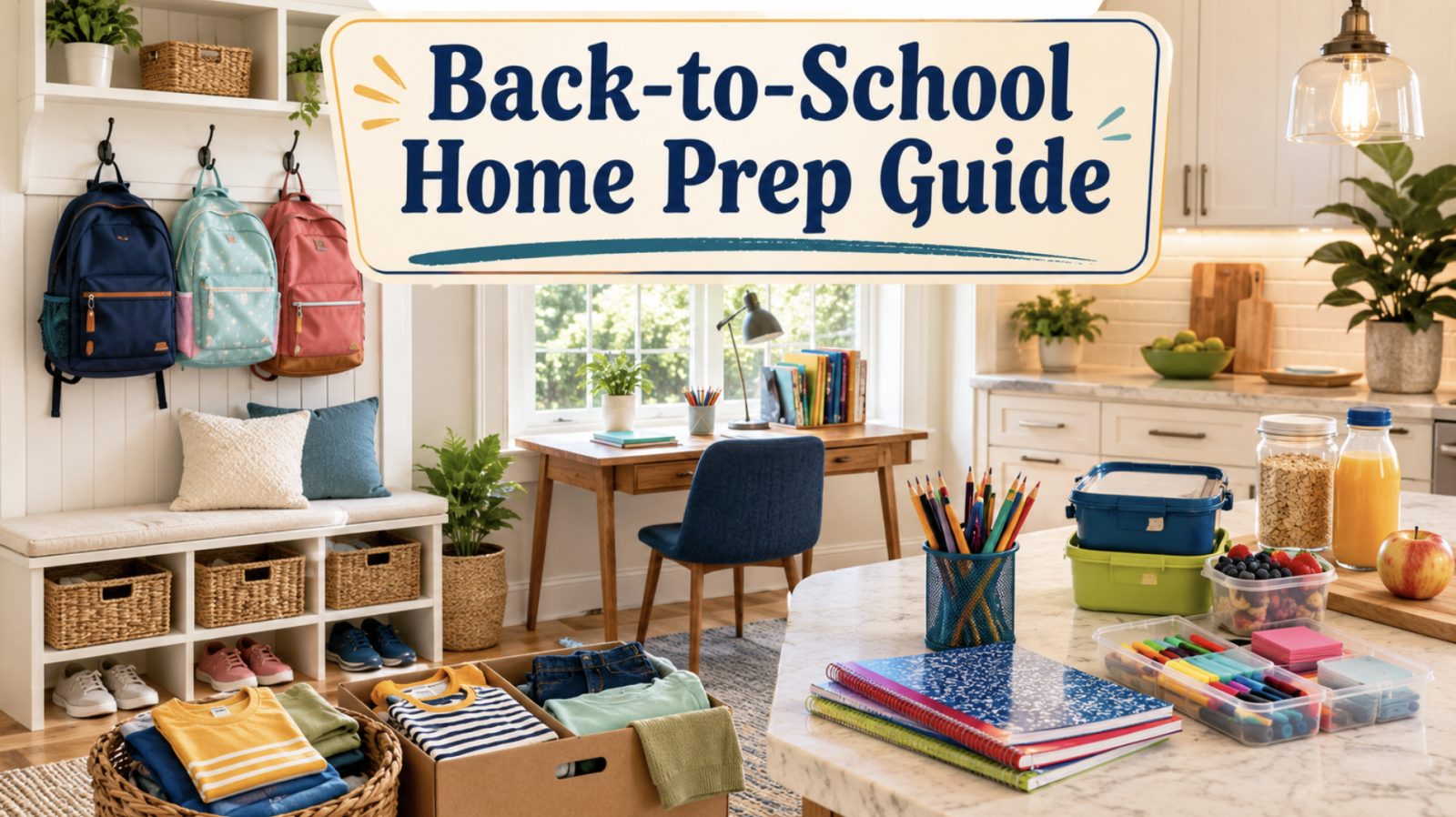
Williamsburg Settlement Back-to-School Home Prep Guide: Save Money, Reduce Clutter and Simplify School-Day Meals
The weeks before school begins often bring long shopping lists, shifting schedules and a familiar question for many parents: How can the household get organized without spending more than necessary?
For families in Williamsburg Settlement, a thoughtful back-to-school reset can help make mornings calmer, evenings more productive and the first few weeks of class less overwhelming. By checking what the family already owns, passing along outgrown clothing, setting up designated school spaces and planning meals ahead of time, parents can reduce waste while creating routines that support the entire household.
Begin With a Back-to-School Clothing Check
Children can grow quickly between school years, which means last year’s jeans, uniforms, jackets and shoes may no longer fit when classes resume.
Before heading to the store, families can ask children to try on their school clothes and sort everything into categories such as fits now, save for later, donate and pass along. This makes it easier to see what is truly needed before buying new items.
Clean, gently used clothing can be donated to a local nonprofit resale shop, clothing pantry, faith-based organization or community nonprofit that accepts children’s clothing. Families should check an organization’s current donation guidelines, hours and list of accepted items before dropping anything off.
Neighborhood social media groups can also help keep usable clothing within the community. Parents can post bundles of shirts, pants, uniforms, jackets or shoes for nearby families whose children may be able to wear them. In Williamsburg Settlement, this kind of neighbor-to-neighbor sharing can help reduce back-to-school expenses while giving clothing a useful second life.
Check Existing School Supplies Before Shopping
School supply costs can rise quickly, especially when families buy items they already have tucked away in drawers, closets, backpacks and craft bins.
Before visiting the store, gather notebooks, folders, binders, pencils, pens, erasers, glue sticks, rulers, crayons, markers and other supplies from around the home. Test pens and markers, sharpen pencils and check whether partially used notebooks can serve as homework books, scratch paper or household planning pads.
Families can then compare what they already own with the official school supply list. This can prevent duplicate purchases, reduce household waste and leave more room in the budget for items that truly need to be replaced, such as shoes, backpacks or required classroom materials.
Create a Designated Backpack and School Gear Area
One of the simplest ways to reduce morning stress is to give school items a consistent place to go.
A backpack station can be set up near an entryway, kitchen, hallway or mudroom. It does not need to be elaborate. Hooks, baskets, cubbies or labeled bins can help organize backpacks, lunchboxes, water bottles, jackets, shoes and activity gear.
Children can be encouraged to return their belongings to the same place each afternoon. Over time, this habit can reduce last-minute searches for folders, library books, signed forms or missing shoes.
A nearby basket can also be used for papers that require attention, including permission slips, school notices, calendars, homework forms and documents that need a parent’s signature.

Set Up a Homework Area That Fits the Household
A dedicated homework area can help children shift from school time to study time, but it does not require a separate room.
A quiet corner of the kitchen table, a small desk in a bedroom or a portable homework caddy may work just as well. The goal is to create a consistent space with good lighting, limited distractions and easy access to frequently used supplies.
Families may want to keep pencils, paper, scissors, rulers, calculators and chargers nearby. Separate folders, bins or containers can help children keep assignments and materials from becoming mixed together.
For younger students, the homework area may need to be close to an adult who can answer questions. Older students may benefit from a quieter location where they can concentrate independently.
Create a Breakfast, Lunch, and Snack Options List
Deciding what everyone will eat at the last minute can add unnecessary pressure to already busy school mornings.
Before the first week of class, families can create a list of realistic breakfast, lunch, and snack choices that fit their schedule, grocery budget and children’s preferences. Posting the list on the refrigerator can make meal decisions faster and help children know what options are available.
Breakfast choices might include:
- Oatmeal with fruit, yogurt and granola, cereal, eggs and toast, breakfast tacos, smoothies, whole-grain waffles, peanut butter toast, muffins or make-ahead breakfast sandwiches.
Lunch options might include:
- Sandwiches, wraps, pasta salad, leftovers, cheese and crackers, fruit, vegetables, yogurt, soup, quesadillas or simple snack-style lunches built from several small items.
Adding a variety of easy, grab-and-go snacks can also help keep kids energized throughout the day and reduce the need for last-minute decisions. Families can create a mix-and-match system by choosing one main item, one fruit or vegetable, one snack and one drink. This provides variety without requiring a completely different meal every day.
Snack ideas might include:
- Apple slices with peanut butter, trail mix, granola bars, string cheese, yogurt cups, crackers and hummus, popcorn, cut vegetables with dip, hard-boiled eggs or fruit cups.
Build a Weekly Meal Plan
A basic breakfast and lunch meal plan can make grocery shopping more focused and reduce food waste.
Before the week begins, families can decide which meals will be served or packed each day. The plan can be written on a refrigerator calendar, dry-erase board or printed weekly menu.
Children can help choose several meals, which may make them more likely to eat what is packed. Parents can also identify which days require especially quick options because of early practices, appointments, meetings or longer commutes.
The weekly meal plan can then be turned into a grocery list based on what is already in the pantry, refrigerator and freezer. Checking food supplies before shopping can help families avoid buying duplicates and make better use of ingredients they already have.
Prepare Breakfasts and Lunches Ahead of Time
A small amount of weekend or evening preparation can make weekday mornings feel much more manageable.
Families can wash and portion fruit, cut vegetables, prepare sandwiches or wraps, fill snack containers and organize grab-and-go breakfast ingredients. Overnight oats, muffins, breakfast burritos and freezer-friendly sandwiches can also be prepared in advance.
Lunchboxes, reusable containers and water bottles should be checked for cracks, leaks or missing lids. Keeping lunch supplies together in one cabinet or drawer can make packing faster.
Older children can help select snacks, fill water bottles and prepare parts of their lunches the night before. Even younger children can place approved items into a lunchbox or choose between two breakfast options.

Keep a List of Backup Meals
Even the best routine can be disrupted by an overslept alarm, a missing ingredient or an unexpectedly busy morning.
Families can create a short list of backup breakfasts and lunches that require little preparation. Examples may include frozen breakfast sandwiches, cereal bars with fruit, toast with peanut butter, shelf-stable milk, cheese and crackers, simple sandwiches or approved packaged snacks.
Keeping a few dependable backup choices on hand can reduce stress and help prevent rushed convenience-store stops or skipped meals.
Organize School Papers and Important Dates
The beginning of the school year often brings a steady stream of calendars, classroom updates, lunch information, activity forms and event reminders.
Families can create one central location for school paperwork using a wall calendar, refrigerator organizer, bulletin board or labeled folder for each child.
Important dates may include the first day of school, meet-the-teacher events, extracurricular practices, picture day, early dismissal dates, school holidays and assignment deadlines.
Keeping this information in one place can help everyone in the household stay informed and reduce missed forms, forgotten events and last-minute schedule changes.
Begin Adjusting Routines Before School Starts
Summer sleep schedules can make the first week of school especially challenging for children and adults.
Gradually moving bedtime and wake-up time closer to the school schedule can make the transition less abrupt. Families may also want to practice the morning routine, including getting dressed, eating breakfast, packing lunches, gathering school supplies and leaving the house on time.
Preparing clothing, backpacks, breakfast items and lunch supplies the night before can eliminate several morning decisions.
For households in Williamsburg Settlement, these small steps can help the return to school feel more predictable, particularly during the first few days when everyone is adjusting to new schedules.
Give Children a Role in the Process
Back-to-school preparation can feel less like a chore when children are included.
Depending on their age, children can help try on clothing, sort supplies, label folders, organize their homework area, choose breakfast options or help plan lunches. Giving children manageable responsibilities can build independence and make new routines feel familiar before classes begin.
The process can also create natural opportunities for parents to ask how children are feeling about the new school year and address any worries, excitement or questions they may have.
A Little Preparation Can Make a Big Difference
Back-to-school readiness is not only about purchasing new supplies. It is also about building practical systems that help the household function during busy weekdays.
Sorting clothing, donating usable items, checking existing supplies, organizing school zones and planning breakfasts and lunches can help families begin the year with less clutter, fewer unexpected expenses and more confidence.
A labeled backpack hook, a weekly meal plan or a quick school supply inventory may seem like a small change, but together these habits can create a smoother start for students and parents alike.
Stay tuned to My Neighborhood News for more back-to-school resources, family guides and community updates for Williamsburg Settlement residents.

 Tiffany Krenek has been on the My Neighborhood News team since August 2021. She is passionate about curating and sharing content that enriches the lives of our readers in a personal, meaningful way. A loving mother and wife, Tiffany and her family live in the West Houston/Cypress region.
Do you own a business?