






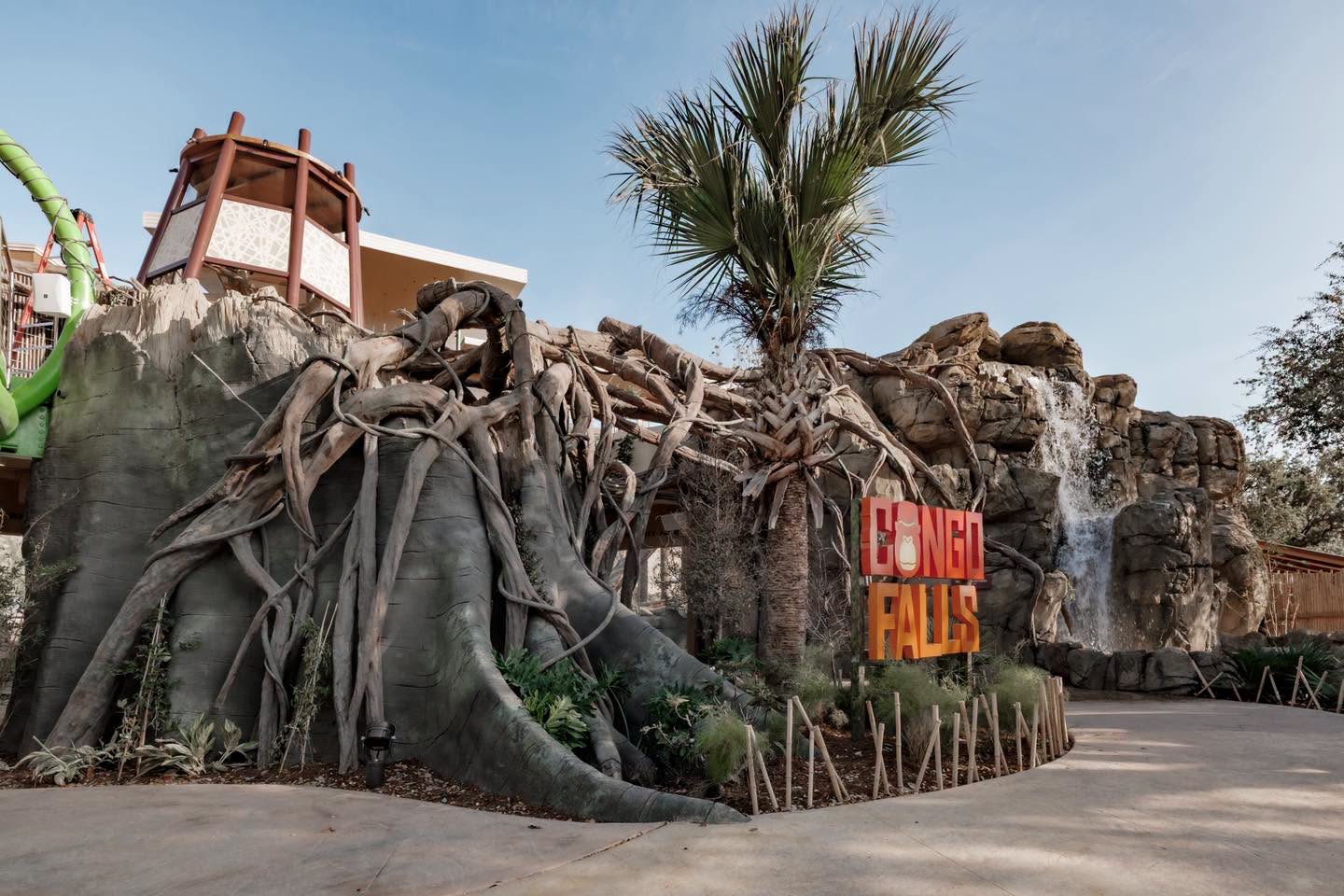
San Antonio Zoo’s Congo Falls and The Ralston Earn LEED Certification for Sustainable Design
The San Antonio Zoo’s newest landmarks are earning recognition not only for what visitors experience inside them, but also for the care that went into building them.
Congo Falls and The Ralston have achieved LEED Certified status, marking another step in the zoo’s effort to connect wildlife conservation with the everyday choices that affect water, energy, land and natural resources.
For San Antonio families, the designation adds another layer of meaning to two projects already changing the way guests experience the zoo. Congo Falls brought gorillas back to the city after more than 35 years, while The Ralston created a more welcoming entrance and gathering place for the generations of residents who have made zoo visits part of their family traditions.
Now, both spaces are also serving as local examples of how major attractions can be designed with their environmental impact in mind.
What LEED Certification Means
LEED stands for Leadership in Energy and Environmental Design. Developed by the U.S. Green Building Council, it is the world’s most widely used green building rating system and provides a framework for creating buildings that are healthier, more efficient and less demanding on natural resources.
A building does not receive the designation simply because it includes a few environmentally friendly features. Projects must meet mandatory requirements and document additional measures across areas such as water use, energy performance, building materials, waste management, open space and indoor environmental quality.
Those efforts are then independently reviewed by Green Business Certification Inc., an organization created with the support of the U.S. Green Building Council to oversee LEED project certification. Depending on the number of verified points earned, a project may receive Certified, Silver, Gold or Platinum status.
In practical terms, the certification means the sustainability claims behind Congo Falls and The Ralston were measured, documented and reviewed rather than treated as broad promises.
Saving Water in a City That Understands Its Value
Some of the most significant accomplishments at the two San Antonio Zoo projects involve water conservation.
Together, Congo Falls and The Ralston use 51% less water than comparable conventional buildings. The zoo estimates that the annual savings amount to approximately 2.5 Olympic-size swimming pools.
That reduction matters in a region where drought, aquifer levels and responsible water use remain regular parts of community conversation. The projects incorporate native and drought-tolerant landscaping, which requires less irrigation than more water-intensive plantings.
Rain gardens were also added to help capture and manage stormwater naturally. Instead of allowing rain to rush immediately across hard surfaces and into drainage systems, these landscaped areas give water a place to collect, soak into the soil and support vegetation.
For visitors, many of those features may blend quietly into the scenery. That is part of their value: conservation has been built into the experience rather than added as an afterthought.

Congo Falls Pairs Conservation With a Landmark Gorilla Habitat
The certification carries particular significance at Congo Falls, the $28 million, two-acre habitat that marked the return of gorillas to San Antonio for the first time in more than three decades.
Designed as an immersive experience for both animals and visitors, Congo Falls includes expansive outdoor habitats, waterfalls, browsing gardens and several viewing areas where guests can observe seven Western lowland gorillas.
Its signature feature, the Mays Family Silverback Peak, is a 70-foot-tall climbing structure believed to be the first gorilla tower of its kind. It gives the animals elevated spaces to explore while offering visitors an unusual view of their movement, social behavior and individual personalities.
An 18,000-square-foot indoor care and support facility provides additional space for year-round animal care. Throughout the habitat, the design is intended to encourage climbing, foraging, exploration and the social interactions that are central to gorilla life.
For children seeing a gorilla for the first time, those details may simply feel exciting. For parents, teachers and caregivers, they create an opening for larger conversations about endangered wildlife and the human decisions that affect habitats far beyond Texas.
Materials From the Site Found a Second Life
The LEED recognition also reflects decisions made during construction.
Approximately 51% of construction waste generated by the projects was diverted from landfills. More than 187 tons of limestone discovered on-site were reused instead of being hauled away as waste.
Some of that stone remained at Congo Falls, helping the new habitat feel connected to the surrounding landscape. Another portion was used in a historical renovation at the Alamo, linking one of San Antonio’s newest destinations with one of its oldest and most recognized landmarks.
The projects also incorporated more than 80 products selected for their health and environmental transparency. That means the design and construction teams considered not only how materials looked or performed, but also what they contained and how their production could affect people and the environment.
LED lighting, automated controls and energy-efficient building systems further reduce unnecessary energy use while supporting the daily needs of animals, employees and guests.
Preserving Space While Creating Something New
Although Congo Falls and The Ralston represent major investments in the zoo’s future, more than half of the project site—56%—was preserved as open space.
That balance is especially meaningful within Brackenridge Park, where the zoo has grown alongside some of San Antonio’s most familiar trees, waterways and public gathering places.
Congo Falls transformed an underused portion of the property into a major wildlife habitat without losing sight of the land surrounding it. The result is a space that feels ambitious while still belonging to the larger park setting.
The Ralston, which includes the zoo’s redeveloped entrance experience, has similarly changed the way visitors arrive. Completed as part of a broader effort to improve accessibility and guest circulation, the entrance area includes H-E-B Plaza, updated pathways and gathering spaces intended to make visits smoother for families, school groups and tourists.
Turning the Zoo Itself Into a Teaching Tool
The sustainability work will not remain hidden in construction documents.
Through signs, educational outreach, staff training and potential guided-tour opportunities, the zoo plans to help visitors understand how the projects conserve water and energy, reduce waste, protect open space and incorporate more carefully selected materials.
That approach fits naturally with the purpose of Congo Falls.
Western lowland gorillas are critically endangered, and their future is tied to complex issues including habitat destruction, wildlife trafficking and mining for materials used in consumer electronics. Through programs such as “Gorillas on the Line…Answer the Call,” the zoo has encouraged guests to recycle old cellphones and other devices rather than allowing reusable materials to go to waste.
The connection is an important one: conservation is not limited to distant rainforests or the work of wildlife professionals. It can also involve the type of landscaping selected for a local project, the amount of water used by a building, what happens to construction debris and what a family does with an old phone sitting in a drawer.

A New Chapter in a Long San Antonio Story
The LEED certification adds to a zoo history that stretches back more than a century.
The institution grew from a small collection of animals in San Pedro Park into a major attraction in Brackenridge Park, supported in part by Colonel George W. Brackenridge’s 1914 land donation. Over the years, the San Antonio Zoo became known for innovations including some of the country’s earliest cageless exhibits.
Today, the nonprofit zoo is home to more than 700 species and welcomes more than one million visitors annually. Its role in the city goes well beyond tourism. It is a place where children encounter wildlife for the first time, school lessons become tangible and families return often enough to measure the years through familiar exhibits.
Congo Falls and The Ralston now become part of that shared history—not only because of their size or appearance, but because of the values built into them.
Why This Matters for San Antonio
For residents, LEED Certified status may seem like a small line on a long list of zoo accomplishments. But behind that designation are decisions that affect how much water a building consumes, how much waste reaches a landfill and how thoughtfully a project fits into the land around it.
Those choices are especially relevant in a growing city.
San Antonio continues to welcome new residents, businesses and development, creating an ongoing need to balance progress with the protection of limited resources. Congo Falls and The Ralston offer one example of what that balance can look like: spaces built to draw people together while using less water, conserving energy and reducing construction waste.
The result is not simply a greener building. It is an opportunity for families to experience sustainability as something visible, local and achievable.
A child may arrive eager to watch Ajari, Andi or another member of the gorilla troop climb through the habitat. Along the way, that same child may also learn why rain gardens matter, how old materials can be reused and why saving water in San Antonio can help protect the future.
That combination of wonder and understanding is where the certification’s real impact may be found.
What Happens Next
The San Antonio Zoo plans to continue using Congo Falls and The Ralston as educational spaces, helping guests connect the projects’ sustainable design choices with actions they can take at home.
As the gorilla habitat continues to grow and evolve, the LEED designation gives returning visitors another reason to look more closely—not only at the animals, but also at the landscape, materials and systems supporting the experience.
For a community that has waited more than 35 years to welcome gorillas back to San Antonio, Congo Falls was already a milestone. Its latest recognition shows that the story is also about what the city chooses to conserve while building for the future.
Stay with My Neighborhood News for more updates on San Antonio attractions, conservation efforts and community developments.

 Tiffany Krenek has been on the My Neighborhood News team since August 2021. She is passionate about curating and sharing content that enriches the lives of our readers in a personal, meaningful way. A loving mother and wife, Tiffany and her family live in the West Houston/Cypress region.