







Please Don’t Feed Ducks and Waterfowl in Seven Meadows: How Well-Meaning Acts Harm Our Local Wildlife and Environment
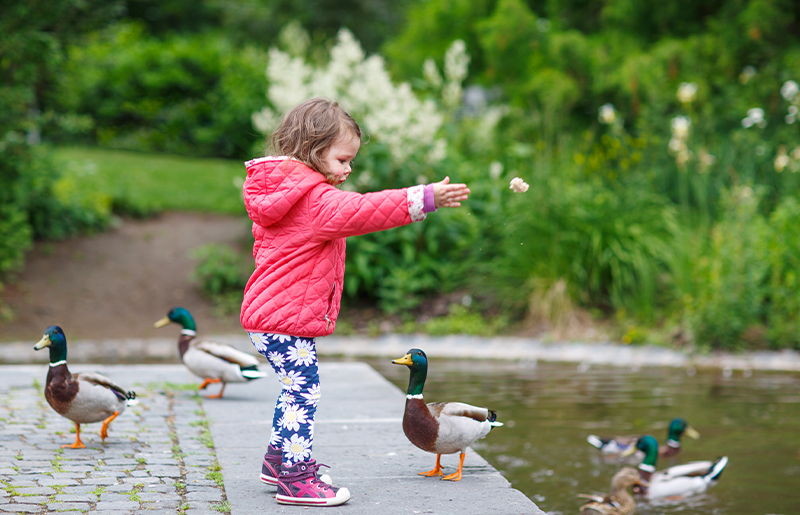
Residents of Seven Meadows often take pride in the natural beauty of local ponds, greenbelts, and shared outdoor spaces. Ducks and other waterfowl are a familiar and welcome sight, especially for families and neighbors who enjoy watching wildlife up close. While tossing food to ducks may feel like a harmless or compassionate act, wildlife professionals caution that feeding them can unintentionally create serious problems for both the animals and the community.
Why Ducks Don’t Need Human Help
According to the Texas Parks and Wildlife Department (TPWD), ducks are highly capable of finding their own food. Their natural diet includes aquatic plants, grasses, seeds, insects, and small organisms found in and around ponds. Human-provided foods—especially bread and processed snacks—lack the nutrients ducks need and can interfere with healthy growth and feather development.
TPWD and the U.S. Fish & Wildlife Service note that regular feeding can lead to malnutrition and a condition sometimes referred to as “angel wing,” which can permanently impair a duck’s ability to fly.

How Feeding Contributes to Overpopulation and Pond Problems
Wildlife agencies also point out that feeding encourages ducks to gather in unnaturally large numbers. When waterfowl congregate beyond what a pond can naturally support, excess waste accumulates quickly. This can degrade water quality, contribute to algae blooms, and create unpleasant odors.
Over time, these conditions may harm fish and other aquatic life and reduce the overall health of the pond ecosystem. For nearby homeowners, this often results in nuisance issues such as messy sidewalks, damaged landscaping, and more aggressive bird behavior.
Protecting Wildlife and the Neighborhood Environment
The U.S. Fish & Wildlife Service emphasizes that feeding ducks can also make them overly dependent on people, reducing their natural instincts to forage and migrate. Ducks that become accustomed to handouts may linger in unsafe areas, increasing their risk of injury from traffic, pets, or other hazards common in residential communities. Allowing ducks to remain wild helps them stay cautious, mobile, and better equipped to survive seasonal changes.
By choosing not to feed ducks and other waterfowl in Seven Meadows, residents help preserve a healthy balance between wildlife and neighborhood life. Enjoying ducks from a distance, keeping ponds clean, and supporting native plants around water features are simple, effective ways to protect local ecosystems. These small but thoughtful actions help keep shared spaces clean, sustainable, and enjoyable for everyone—people and wildlife alike.

 Tiffany Krenek has been on the My Neighborhood News team since August 2021. She is passionate about curating and sharing content that enriches the lives of our readers in a personal, meaningful way. A loving mother and wife, Tiffany and her family live in the West Houston/Cypress region.
Local business spotlight
Grow your business
where trust already lives.
Let’s introduce your business to the neighbors nearby.
Have a local favorite?
Let’s make an introduction.
Leave your email and our team will reach out with ways to promote your business.
Give a local favorite a little love.
Know a business your neighbors should discover? Tell us who they are.
We couldn’t send that just yet. Please try again.