







Easter Animal Sales Illegal in San Antonio: What Families Need to Know Before Buying Chicks, Ducklings or Rabbits
As Easter approaches across San Antonio, a familiar sight—colorful chicks, ducklings and baby rabbits being sold as holiday novelties—is not just discouraged, it’s illegal. For families planning seasonal traditions, understanding these laws is more than a legal matter—it’s about protecting animals and making informed choices that reflect the community’s values.
The City of San Antonio Animal Care Services Department (SAACS) is reminding residents that the sale or giveaway of young animals during Easter is prohibited under city ordinance. For many families, especially those with young children, the message may come as a surprise. But behind the law is a deeper effort to prevent animal neglect, abandonment and unnecessary suffering that often follows impulse holiday purchases.
What the San Antonio Easter Animal Law Prohibits
According to SAACS, it is illegal within the City of San Antonio to sell, trade, lease, rent or give away baby chicks, ducklings or rabbits under eight weeks old when they are marketed as pets or holiday novelties.
The ordinance also makes it unlawful to:
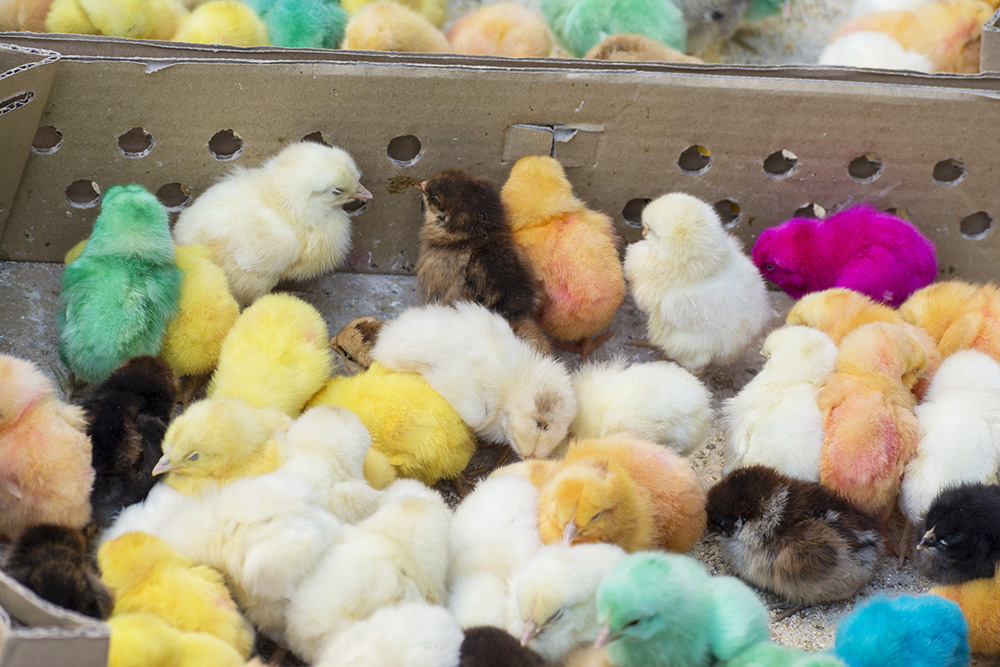
- Dye or artificially color baby animals
- Possess animals that have been dyed or stained
- Sell animals in roadside locations, parking lots, flea markets or festivals
The only exception applies to properly licensed hatcheries or businesses raising animals for legitimate commercial agricultural purposes.
Violating these laws can result in significant penalties, including mandatory court appearances—underscoring how seriously the city views animal welfare.
Why These Laws Exist: Protecting Animals Beyond Easter
While baby animals may seem like a charming Easter tradition, animal welfare organizations have long warned about the consequences of seasonal animal sales.
According to the American Society for the Prevention of Cruelty to Animals (ASPCA), many animals purchased impulsively during holidays are later abandoned or surrendered to shelters when families realize the long-term care required. Rabbits, for example, can live 8 to 12 years and require specialized diets, housing and veterinary care—far beyond what many first-time owners expect.
Similarly, chicks and ducklings quickly outgrow their early stage, requiring outdoor space, proper shelter and ongoing care. When those needs aren’t met, local shelters and rescue organizations often see an increase in abandoned animals in the weeks following Easter.
The dyeing of animals, another prohibited practice, can also be harmful. Experts note that coloring agents may be toxic or stressful to young animals, further increasing health risks.
Beyond animal welfare, experts note there are environmental consequences tied to holiday animal purchases. When rabbits or other small animals are released into the wild—often by well-meaning owners who can no longer care for them—they rarely survive, but can still disrupt local ecosystems.
According to the Humane Society of the United States, domestic rabbits are not equipped to live in the wild and may contribute to overgrazing or habitat imbalance before dying. In urban and suburban areas like San Antonio, these situations can place added strain on both wildlife systems and already overburdened animal shelters.
A Community-Focused Approach to Responsible Pet Ownership
San Antonio’s regulations reflect a broader commitment to responsible pet ownership and humane treatment—values that resonate across neighborhoods and families.
For residents, the message is not about limiting Easter traditions, but about encouraging thoughtful, informed choices. Instead of purchasing live animals, SAACS and animal welfare advocates recommend alternatives such as:
- Plush toys or symbolic gifts
- Visiting local farms or petting zoos
- Supporting animal shelters through donations or volunteer work
- Considering adoption through reputable shelters when ready for long-term commitment
These options allow families to celebrate Easter in meaningful ways while avoiding unintended harm.
What This Means for San Antonio Families This Easter
For parents, caregivers and community members, this ordinance serves as a timely reminder: bringing an animal into the home is a long-term responsibility, not a seasonal decision.
Residents can learn more about local animal laws, adoption resources and responsible pet ownership by visiting the City of San Antonio Animal Care Services website.
What Happens Next
With Easter just around the corner, enforcement efforts are expected to increase, particularly in areas where illegal roadside or pop-up animal sales have historically occurred. Residents who encounter suspected violations are encouraged to report them through official city channels.
For many in San Antonio, the shift away from live animal Easter gifts represents something bigger—a community choosing care, responsibility and awareness over convenience.
As the holiday approaches, staying informed helps ensure that traditions remain joyful for families while protecting the animals that depend on them.

 Tiffany Krenek has been on the My Neighborhood News team since August 2021. She is passionate about curating and sharing content that enriches the lives of our readers in a personal, meaningful way. A loving mother and wife, Tiffany and her family live in the West Houston/Cypress region.