






Don't Toss That Jack-O'-Lantern! 7 Ways Lost Creek Residents Can Reuse Halloween Pumpkins Instead of Throwing Them Away
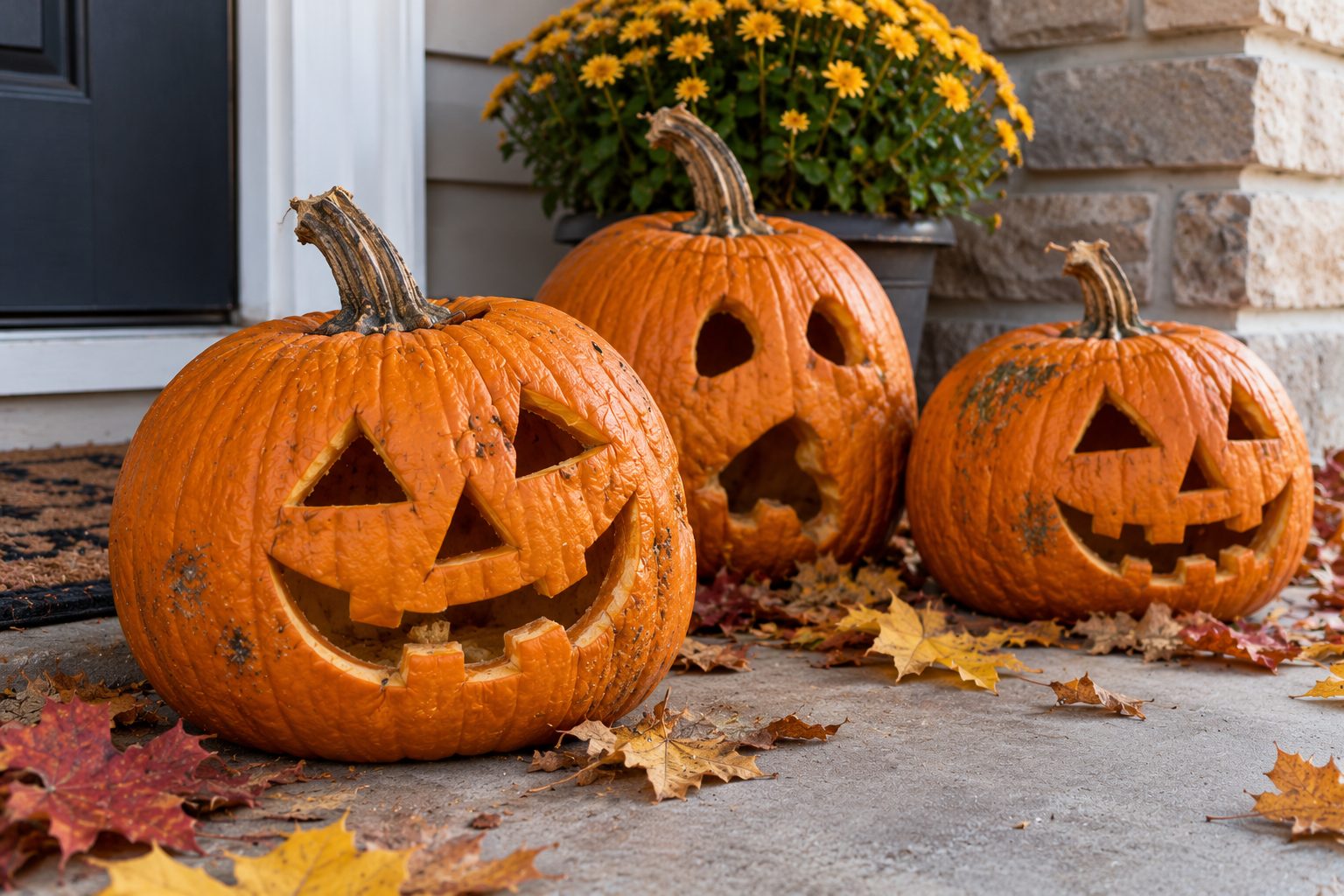
After Halloween, decorations will come down, candy buckets will be put away and those jack-o'-lanterns that greeted trick-or-treaters will start to look a little worse for wear. Before tossing them into the trash, however, Lost Creek residents might want to give their leftover pumpkins a second look.
Whether they were carved into spooky faces, painted with the kids or simply displayed on the front porch, pumpkins don't necessarily have to end up in a landfill once Halloween is over.
From enriching garden soil to creating a fun family science project, there are several easy, inexpensive and environmentally friendly ways to put those pumpkins to good use. And with the Greater Houston area's mild fall temperatures, November can be a convenient time to tackle a few outdoor projects.
1. Turn Old Halloween Pumpkins Into Compost for Your Garden
One of the easiest ways to recycle Halloween pumpkins is to compost them.
Pumpkins contain plenty of moisture and organic material that can break down into compost, helping improve soil structure and support healthy plant growth.
For homeowners who already compost, the process is simple. Remove candles, battery-operated lights, stickers, paint, glitter and other decorations. Cut the pumpkin into smaller pieces and add them to the compost pile, mixing them with dry leaves, shredded cardboard or other carbon-rich materials.
Breaking pumpkins into smaller pieces helps them decompose faster, while mixing them with dry materials reduces the chance of creating a soggy, unpleasant-smelling pile.
Residents who don't already compost can explore backyard composting as a way to reuse fallen leaves, fruit scraps and other biodegradable household waste throughout the year.
The U.S. Environmental Protection Agency's home composting guide offers helpful information for beginners.
2. Give Your Garden a Boost by Burying Pumpkin Pieces
Don't have a compost bin? Pumpkin pieces can also be buried directly in garden soil, where microorganisms and other decomposers gradually break them down.
This method, sometimes called trench composting, allows organic material to decompose underground rather than in an aboveground compost pile.
Choose an unused section of a garden bed, dig a hole approximately 12 inches deep, add small pieces of undecorated pumpkin and cover them completely with soil. Avoid planting directly over the buried material until it has had time to break down.
Because pumpkins contain a lot of water, smaller pieces generally decompose more quickly than an entire pumpkin.
Houston-area gardeners should also consider the possibility of attracting rodents or other animals. Burying the pumpkin thoroughly and keeping it away from home foundations can help reduce unwanted visitors.
This option is best for residents with an appropriate private garden space, rather than shared neighborhood landscaping or common areas.
3. Save the Seeds for Next Year's Pumpkin Patch
For families with children, saving pumpkin seeds can turn the end of Halloween into the beginning of another seasonal project.
If the pumpkin was healthy and the seeds are still intact, they may be saved and planted the following year.
Remove the seeds, rinse away the pulp and spread them in a single layer to dry thoroughly. Once completely dry, store them in a labeled paper envelope in a cool, dry place until planting season.
There is one important catch: seeds collected from hybrid pumpkins may not produce pumpkins that look like the original. Some seeds may also fail to germinate.
In Southeast Texas, pumpkins are generally planted during the warmer months for a fall harvest, with the best timing depending on the variety and its days to maturity.
Children can even keep a small gardening journal to track when their seeds sprout, how quickly the vines grow and whether they eventually produce pumpkins.
It's a simple way to turn a Halloween tradition into a hands-on lesson about gardening, patience and the plant life cycle.

4. Create a Pumpkin Planter for Fall Flowers
A pumpkin that is still firm and in relatively good condition can become a temporary fall planter.
Instead of putting it straight into the trash, remove the remaining pulp, create drainage holes in the bottom and place a small potted plant inside.
Chrysanthemums, pansies and other seasonal flowers can make an attractive display for the transition from Halloween to Thanksgiving.
The planter won't last forever, particularly during warm or rainy Houston-area weather, but it can provide a little extra life for a pumpkin that would otherwise be discarded.
For best results, use a pumpkin that has not begun rotting, keep the plant in its own removable container and check the pumpkin frequently for signs of mold or deterioration.
Once the pumpkin starts breaking down, the plant can be moved into a regular pot and the undecorated pumpkin shell composted.
5. Make a Backyard Pumpkin Decomposition Experiment
For parents looking for an inexpensive educational activity after Halloween, an old jack-o'-lantern can become a backyard science experiment.
Choose an undecorated pumpkin, place it in a contained outdoor composting area or garden bed and observe how it changes over time.
Children can record what they notice each week, including changes in color, texture and size, along with the appearance of insects or other organisms involved in decomposition.
Parents can use the activity to explain how organic matter returns nutrients to the soil and why decomposers play an important role in the environment.
The experiment should be conducted away from play areas, and children should avoid touching moldy or decomposing pumpkin material. Adults can handle cleanup and encourage everyone to wash their hands afterward.
It may not be the prettiest backyard project, but it can provide a memorable lesson about what happens to food and plants after they are discarded.
6. Find a Local Pumpkin Composting or Collection Program
Not every household has room for a compost bin or garden bed, especially residents living in neighborhoods with limited outdoor space.
Fortunately, community composting programs and organic waste collection services may provide another option.
Some composting businesses, community gardens and seasonal recycling initiatives accept pumpkins after Halloween, although availability and collection requirements vary.
Before dropping off a pumpkin, residents should confirm that the location accepts pumpkins, whether carved pumpkins are permitted and if painted or decorated pumpkins are excluded.
For residents in the Greater Houston area, local composting services and municipal solid waste programs are good places to begin looking for pumpkin recycling opportunities.
A quick search for pumpkin composting near me, Houston pumpkin recycling or where to compost pumpkins in Houston may help identify current options.
Residents should never leave pumpkins at a community garden, park or composting facility without permission.
7. Turn Pumpkin Disposal Into a Neighborhood Composting Activity
For residents who enjoy participating in neighborhood events, leftover pumpkins could also inspire a small community sustainability project.
A neighborhood garden group, homeowners association or resident volunteer committee might consider organizing a pumpkin composting collection or coordinating with an established composting service.
Families could bring their undecorated pumpkins to an approved collection location, where they could be processed into compost instead of being sent to a landfill.
Any such activity would need approval from the appropriate property owner or neighborhood association, along with a plan for transportation, sanitation and proper composting.
While a neighborhood pumpkin collection may not already exist, it is an idea residents could suggest for a future fall event.

What Not to Do With Leftover Halloween Pumpkins
Although pumpkins are biodegradable, that doesn't mean every disposal method is safe or environmentally beneficial.
Residents should keep several precautions in mind before finding a new home for their jack-o'-lanterns.
-
Don't leave pumpkins in parks, wooded areas or neighborhood greenbelts. Dumping pumpkins outdoors can attract unwanted wildlife, create a mess and violate local rules.
-
Don't intentionally feed carved pumpkins to wildlife. Pumpkins can attract animals into residential areas, and painted, moldy or candle-contaminated pumpkins may be harmful.
-
Don't compost pumpkins covered in glitter, synthetic decorations or non-compostable paint. Remove artificial materials first. If they cannot be removed, use an appropriate trash disposal method.
-
Don't cook or eat pumpkins that have been carved and displayed outdoors. Once a jack-o'-lantern has spent time outside, it may have been exposed to insects, dirt, bacteria and other contaminants.
-
Don't leave rotting pumpkins on the porch for too long. Houston's relatively warm fall weather can speed up decomposition, especially when humidity and rain are involved.
If a pumpkin is heavily decorated, contaminated or cannot be composted safely, placing it in the household trash may still be the most appropriate choice.
Why Recycling Halloween Pumpkins Matters
According to the U.S. Environmental Protection Agency, food waste is a significant part of the nation's waste stream. When food and other organic materials decompose in landfills without sufficient oxygen, they can produce methane, a potent greenhouse gas.
Composting offers a way to keep suitable organic material out of landfills while producing a useful soil amendment.
For Houston-area homeowners, compost can also be helpful in gardens and landscaped areas, where organic matter supports soil health and moisture retention.
Of course, one recycled pumpkin won't solve the larger problem of food waste. But it is an easy place to start, especially for families interested in finding practical ways to reduce household waste without spending much money.
A Little More Life for a Halloween Tradition
Halloween pumpkins often begin as a family outing to a pumpkin patch or grocery store, followed by an afternoon of carving, decorating and deciding which jack-o'-lantern deserves the best spot on the porch.
Finding another use for those pumpkins can be one more way to enjoy the tradition together.
Whether a family saves seeds for next year, adds pumpkin pieces to a compost pile or creates a backyard science experiment, there are plenty of ways to make something useful out of decorations that have served their Halloween purpose.
And once November officially arrives, it's a good reminder that small choices around the house can make a difference in how much waste a household produces.
For more seasonal home maintenance tips, family activities, gardening advice and neighborhood news, stay connected with My Neighborhood News.

 Tiffany Krenek has been on the My Neighborhood News team since August 2021. She is passionate about curating and sharing content that enriches the lives of our readers in a personal, meaningful way. A loving mother and wife, Tiffany and her family live in the West Houston/Cypress region.

Local business spotlight
Grow your business
where trust already lives.
Let’s introduce your business to the neighbors nearby.
Have a local favorite?
Let’s make an introduction.
Leave your email and our team will reach out with ways to promote your business.
Give a local favorite a little love.
Know a business your neighbors should discover? Tell us who they are.
We couldn’t send that just yet. Please try again.