






Domestic Violence Awareness Month: What Copper Lakes Residents Should Know About Warning Signs, Supporting Survivors and Finding Help
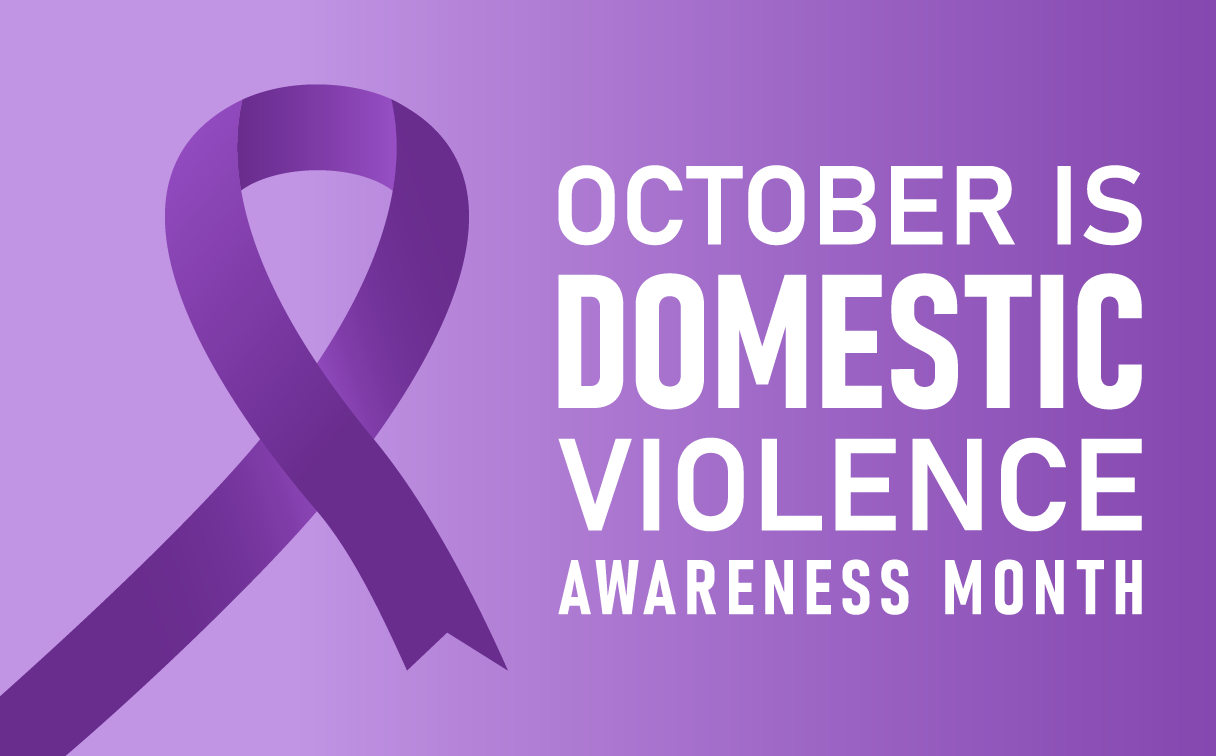
October is Domestic Violence Awareness Month, a time to recognize an issue that often remains hidden behind closed doors, even in neighborhoods where families know one another, children play together and neighbors look out for each other.
For residents of Copper Lakes, the message is especially important: Domestic violence does not discriminate by age, income, background or ZIP code. It can affect a friend, relative, coworker or neighbor, sometimes without anyone around them realizing what is happening.
Recognizing the signs of abuse and knowing how to respond could make a meaningful difference in someone's life. Sometimes, that begins with something as simple as noticing a change in someone you care about, listening without judgment or helping them find someone they can safely talk to.
This October, Harris County Public Health (HCPH) is joining organizations nationwide in observing Domestic Violence Awareness Month 2026, encouraging residents to move beyond awareness and take meaningful steps to support survivors.
Domestic Violence Awareness Month 2026: Standing "With Survivors, Always"
This year's national Domestic Violence Awareness Month campaign continues the theme "With Survivors, Always," established by the Domestic Violence Awareness Project, an initiative of the National Resource Center on Domestic Violence.
For 2026, the campaign places renewed emphasis on turning awareness into action by helping survivors access safety, support and resources.
Domestic violence, also called intimate partner violence when it occurs between current or former romantic partners, is not limited to physical assault. According to the Centers for Disease Control and Prevention (CDC), intimate partner violence can involve physical violence, sexual violence, stalking and psychological aggression.
Abuse can take many forms, including intimidation, threats, humiliation and efforts to control another person's everyday life.
For someone experiencing abuse, the consequences can extend far beyond the relationship itself. Domestic violence can affect physical and emotional health, financial stability, employment, relationships with loved ones and a person's sense of safety at home.
Children who witness violence or live in households where abuse occurs can also experience lasting emotional and developmental effects.
The goal of Domestic Violence Awareness Month is not only to acknowledge these realities, but also to help people understand that support is available and that no one should have to navigate an unsafe relationship alone.
Recognizing the Warning Signs of Domestic Violence
One of the challenges surrounding domestic violence is that it does not always look the way people expect.
A person experiencing abuse may not have visible injuries. They may continue going to work, attending school functions, participating in neighborhood activities or maintaining an outward appearance that everything is fine.
According to the National Domestic Violence Hotline, abusive behavior often involves patterns of power and control that can become more severe over time.
Warning signs may include:
- Controlling behavior: A partner dictates where someone goes, who they see, what they wear or how they spend their time.
- Isolation from loved ones: Someone gradually withdraws from friends, relatives, coworkers or activities they previously enjoyed, sometimes because a partner discourages or prevents those connections.
- Constant monitoring: A partner repeatedly checks phone calls, text messages, social media accounts or whereabouts, demands passwords or uses technology to track someone's movements.
- Intimidation and threats: A partner threatens to harm the person, their children, pets, loved ones or themselves to maintain control.
- Emotional abuse: Repeated insults, humiliation, manipulation or blame leave someone feeling fearful, powerless or responsible for another person's behavior.
- Financial control: A partner restricts access to money, prevents someone from working or makes it difficult to obtain basic necessities.
- Physical or sexual violence: A partner uses physical force, threatens bodily harm or pressures or forces someone into sexual activity without consent.
Not every warning sign is immediately obvious, and one behavior alone does not necessarily establish that abuse is occurring. However, repeated patterns of fear, intimidation and control should be taken seriously.
Abusive relationships can also involve periods of affection, apologies or promises to change, making it difficult for someone experiencing abuse to recognize the pattern or decide what to do next.
For someone living in , recognizing these behaviors could be the first step toward understanding that what is happening in a relationship is not simply a disagreement or a difficult period.

What If You Suspect a Friend, Neighbor or Family Member Is Experiencing Abuse?
It can be difficult to know what to say when someone you care about may be experiencing domestic violence.
Perhaps a friend has stopped attending gatherings. A coworker seems increasingly anxious about getting home at a certain time. A relative rarely answers the phone unless their partner is present. Or a neighbor appears frightened during interactions with someone in their household.
These changes do not automatically mean someone is experiencing abuse, but they may provide an opportunity to check in privately and compassionately.
The National Domestic Violence Hotline recommends approaching these conversations with care, patience and respect for the person's decisions.
A few ways to offer support include listening without judgment, expressing concern about specific behaviors you have noticed, reassuring the person that they deserve to feel safe and offering to help them locate confidential resources.
Avoid blaming someone for staying in an abusive relationship or pressuring them to leave immediately. Ending an abusive relationship can be complicated and, in some circumstances, dangerous. Survivors may face threats, financial dependence, concerns about children or fears about what could happen if they attempt to leave.
Rather than deciding what someone should do, ask what kind of support would be helpful.
It is also important to respect privacy. Confronting a suspected abuser, sharing someone's situation with others or attempting to intervene without considering safety could unintentionally place the person at greater risk.
A domestic violence advocate can help friends and family members understand how to provide support without increasing that danger.
For Copper Lakes residents, looking out for neighbors does not mean getting involved in someone's private life without permission. It means recognizing when someone may need help and being a trustworthy, compassionate person they can turn to.
What Someone Experiencing Domestic Violence Can Do to Find Help
For someone who is questioning whether their relationship is abusive, reaching out for help can feel overwhelming. They may be worried about their children, their finances, where they would live or how their partner might react.
There is no single right way to respond to abuse, and a person does not have to be ready to leave a relationship before asking for support.
The National Domestic Violence Hotline encourages survivors to develop a personalized safety plan based on their individual circumstances. This can include identifying trusted people to contact, considering safe places to go during an emergency and making arrangements for important documents, medications or necessities when it is safe to do so.
A trained domestic violence advocate can help someone think through these decisions without pressuring them to take steps they are not ready or able to take.
Digital safety is another important consideration. Abusive partners sometimes monitor phones, email accounts, internet activity or location-sharing services. Anyone concerned about being monitored should consider contacting a hotline from a safer device or location, such as a trusted person's phone, when possible. Private browsing does not guarantee that activity cannot be tracked.
Survivors may also be able to receive assistance with emergency shelter, counseling, medical care, legal services and protective orders, depending on their circumstances and available resources.
Most importantly, someone experiencing abuse does not have to wait for physical violence to occur before seeking help. Emotional abuse, threats, coercive control and stalking are also serious concerns.
Domestic Violence in Texas and Across the United States
The extent of domestic violence is reflected in findings from the CDC's 2023/2024 National Intimate Partner and Sexual Violence Survey.
According to the survey, more than one in three women nationwide, approximately 43.5 million, have experienced contact sexual violence, physical violence and/or stalking by an intimate partner during their lifetime.
Among men, more than one in six, representing approximately 20.7 million, reported experiencing one or more of those forms of intimate partner violence.
The survey also found that during the preceding 12 months, approximately 6.7 million women, or 5.2%, and 2.8 million men, or 2.3%, experienced contact sexual violence, physical violence and/or stalking by an intimate partner.
In Texas, the lifetime estimates were 30.4% of women and 24.3% of men.
Psychological aggression was also widespread. Nationally, 30.2% of women and 22.3% of men reported experiencing psychological aggression by an intimate partner during their lifetime. This can include humiliation, insults, coercive control and threatening or monitoring behaviors.
These figures help explain why public health officials consider intimate partner violence a serious public health concern. They also serve as a reminder that abuse can affect people of different genders and backgrounds, including those whose experiences may not fit common assumptions about domestic violence.

Domestic Violence Hotlines and Support Resources in Harris County
For Harris County residents seeking domestic violence assistance, several organizations provide confidential support, crisis intervention and connections to additional services.
National Domestic Violence Hotline
Available 24 hours a day, seven days a week.
- Phone: 800-799-SAFE (7233)
- Text: START to 88788
- Website: thehotline.org
The hotline offers support, safety planning and information about resources for people experiencing abuse, as well as guidance for concerned friends and family members.
Houston Area Women's Center (HAWC)
- 24-hour Domestic Violence Hotline: 713-528-2121
- Website: hawc.org
The Houston Area Women's Center provides services for people affected by domestic violence, including crisis support and connections to survivor assistance programs.
The Montrose Center LGBT Switchboard
- 24-hour Helpline: 713-529-3211
- Website: montrosecenter.org
The Montrose Center offers LGBTQ-affirming resources and crisis support, including assistance for survivors of domestic violence and sexual assault.
Harris County Domestic Violence Coordinating Council
- Website: hcdvcc.org
The organization connects residents with domestic violence service providers throughout Greater Houston and Harris County, including organizations offering shelter, counseling and other survivor resources.
Emergency Assistance
Anyone experiencing immediate danger should call 911.
Why Domestic Violence Awareness Matters Beyond October
Domestic Violence Awareness Month offers an opportunity to learn about an issue that affects families throughout Harris County, but the need for understanding and compassion continues throughout the year.
For some Copper Lakes residents, this information may help them recognize troubling behavior in their own relationships. For others, it may provide the confidence to check on a friend, listen to a family member or help a coworker find professional support.
No one can always know what another household is experiencing. Even people who appear happy, successful or surrounded by supportive neighbors may be facing circumstances they have not felt safe enough to share.
Harris County Public Health's message for Domestic Violence Awareness Month 2026 is centered on that understanding: recognizing abuse, supporting survivors and making sure people know where to turn for help.
A caring community cannot solve every problem behind closed doors, but it can help create an environment where people feel less isolated, where warning signs are taken seriously and where asking for help is met with compassion rather than judgment.
Residents are encouraged to keep these resources available, share them thoughtfully with others and remember that even a quiet conversation with someone who cares can be an important first step.
Stay connected with My Neighborhood News for additional Harris County community health information, public safety updates and resources that help local families stay informed and supported.

 Tiffany Krenek has been on the My Neighborhood News team since August 2021. She is passionate about curating and sharing content that enriches the lives of our readers in a personal, meaningful way. A loving mother and wife, Tiffany and her family live in the West Houston/Cypress region.
Local business spotlight
Grow your business
where trust already lives.
Let’s introduce your business to the neighbors nearby.
Have a local favorite?
Let’s make an introduction.
Leave your email and our team will reach out with ways to promote your business.
Give a local favorite a little love.
Know a business your neighbors should discover? Tell us who they are.
We couldn’t send that just yet. Please try again.