







Why Your Water Provider May Ask for a Kitchen Tap Sample: What Morningside Trails Residents Should Know About Lead & Copper Testing
If you've ever received a request from your local water provider to collect a water sample from your kitchen faucet, you may have wondered why. While it might seem like a small task, that single sample plays an important role in helping protect the quality of drinking water throughout Morningside Trails.
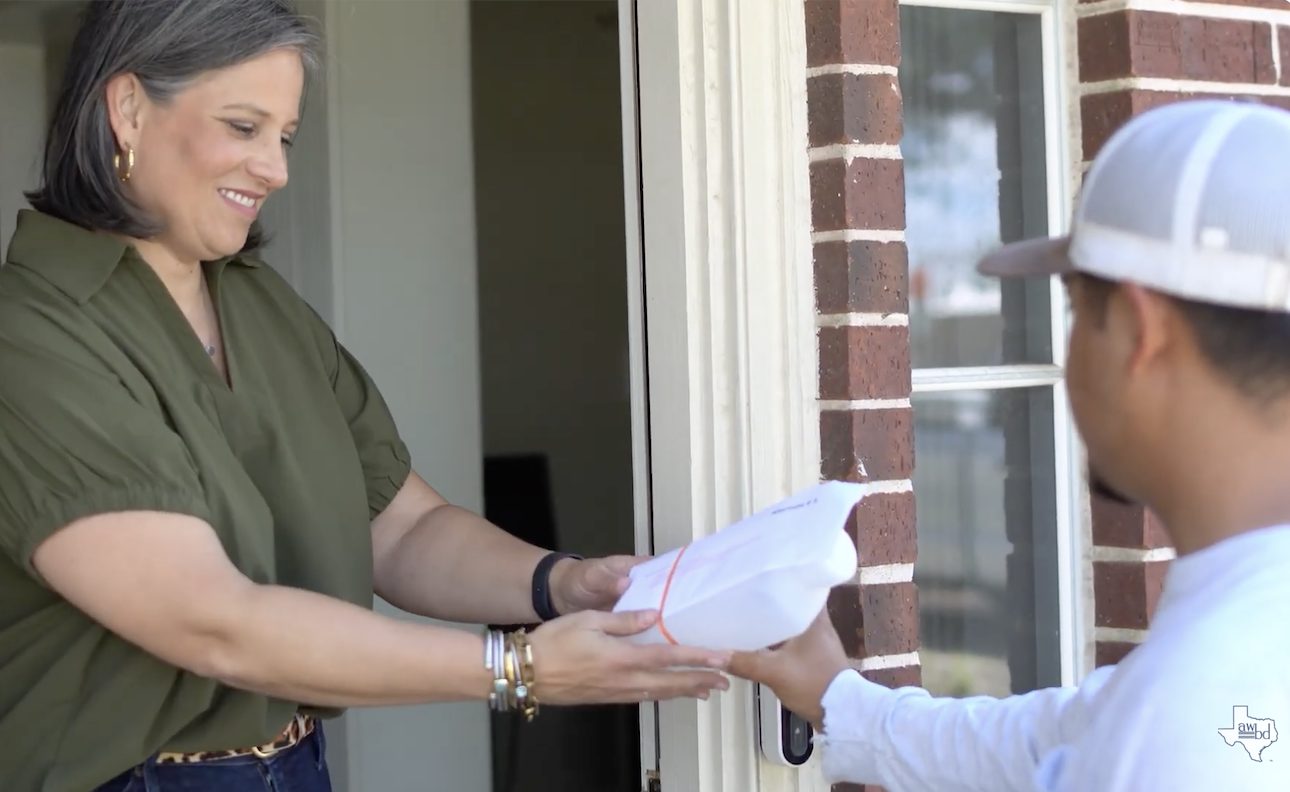
A new public service announcement from the Association of Water Board Directors – Texas (AWBD) explains how lead and copper testing works, why certain homes are selected to participate, and how residents help ensure safe drinking water for the entire community.
The message is simple: a few minutes of participation today can provide valuable information that helps utilities monitor water quality and continue delivering safe, reliable drinking water throughout Morningside Trails.
Why utilities ask for a "first draw" water sample
Lead and copper testing is required under the U.S. Environmental Protection Agency's Lead and Copper Rule, first introduced in 1991 to help protect public health by monitoring whether these metals are entering drinking water through household plumbing.
Rather than testing water immediately after a faucet has been running, utilities ask participating residents to collect what's known as a "first draw" sample—water that has remained in the home's plumbing for several hours, typically overnight.
This type of sample provides the best opportunity to detect whether lead or copper could be dissolving from plumbing materials into the water before it reaches the tap. Once collected, samples are analyzed by an accredited laboratory, and the results are reported to the Texas Commission on Environmental Quality (TCEQ).
The water source usually isn't the problem
One of the biggest misconceptions about lead and copper is where they come from.
According to the AWBD educational video, these metals generally do not originate at the water source. Instead, they can come from older plumbing materials inside homes or buildings.
Lead may be present in older pipes, solder or brass fixtures that were installed before lead-containing plumbing materials were prohibited in Texas in 1988. When water remains in those pipes for several hours, small amounts of lead or copper can dissolve into the water, making the first water used in the morning the most likely to contain elevated levels if corrosion is occurring.
That is exactly why utilities request first-draw samples rather than water that has already been flowing through the plumbing system.
How water providers help prevent corrosion
Testing is only one part of protecting drinking water.
Water utilities also use corrosion control treatment, a long-term strategy designed to reduce the likelihood that metals will dissolve into household plumbing.
One of the most common approaches is adding a corrosion inhibitor, such as orthophosphate, which forms a microscopic protective coating inside pipes and fixtures. Utilities may also adjust the water's pH and alkalinity, making the water less corrosive and helping stabilize plumbing materials over time.
These preventive measures work together to reduce the risk of elevated lead or copper levels at the tap while helping maintain safe drinking water across the community.
Why some homes are selected for testing
Water systems conduct lead and copper monitoring on a regular schedule established by federal regulations.
Utilities begin with standard monitoring, collecting samples during two six-month periods each year. Systems that consistently meet regulatory requirements may qualify for reduced monitoring, which can occur as infrequently as once every three years depending on system size and performance.
Because testing focuses on homes with plumbing characteristics that are more likely to reveal potential issues, not every residence is asked to participate. If your home is selected, your participation helps provide a more complete picture of the system's performance and supports continued compliance with drinking water standards.
The educational effort comes from the Association of Water Board Directors – Texas (AWBD), a statewide organization formed in the early 1970s to support and educate Texas utility districts. Representing more than 900 member districts, AWBD provides training, shares industry best practices and helps local water providers stay informed on changing regulations and technologies that support safe, reliable water service across Texas.

A small step that benefits the entire community
For residents of Morningside Trails, participating in a requested lead and copper test is a simple way to contribute to the continued safety of the community's drinking water.
While utilities work year-round to monitor water quality and maintain treatment processes, resident participation provides an additional layer of information that helps identify potential plumbing-related concerns before they become larger issues.
If your water provider contacts you about collecting a sample, taking a few minutes to complete the process helps support ongoing efforts to deliver safe, dependable drinking water—not just for your household, but for neighbors throughout the community.
Residents who would like to learn more about lead and copper testing can contact their local water provider or visit the U.S. Environmental Protection Agency's Lead and Copper Rule resources at epa.gov.
Stay tuned to My Neighborhood News for more local updates, public service information and resources that help keep Morningside Trails residents informed.

 Tiffany Krenek has been on the My Neighborhood News team since August 2021. She is passionate about curating and sharing content that enriches the lives of our readers in a personal, meaningful way. A loving mother and wife, Tiffany and her family live in the West Houston/Cypress region.
Local business spotlight
Grow your business
where trust already lives.
Let’s introduce your business to the neighbors nearby.
Have a local favorite?
Let’s make an introduction.
Leave your email and our team will reach out with ways to promote your business.
Give a local favorite a little love.
Know a business your neighbors should discover? Tell us who they are.
We couldn’t send that just yet. Please try again.