








Why Autism and Drowning Risks Rise in Summer: What Fort Bend County Families Need to Know About Elopement Safety
As pools prepare to reopen and families across Fort Bend County head outdoors, many are thinking about sunscreen, swim lessons, and weekend plans. But for families in the autism community, warmer weather brings a different kind of concern—one that often goes unseen until it’s too late.
Drowning remains the leading cause of death for children with autism who wander, a behavior also known as elopement. In neighborhoods across Sugar Land, Katy, Richmond, and beyond, this reality is prompting local organizations and families to take a closer look at water safety and community awareness.
For many, the issue isn’t just about supervision—it’s about understanding a unique risk that can affect even the most attentive households.
Understanding Elopement and the Hidden Risks Around Water
Elopement, or wandering, occurs when a child leaves a safe environment without notice. According to national research, nearly 49% of children with autism will attempt to wander at some point, often driven by curiosity, sensory interests, or a desire to reach a favorite place.
Water can be especially attractive.
Nearby retention ponds, neighborhood pools, lakes, and even drainage areas can quickly become dangerous destinations. The National Autism Association reports that children with autism are up to 160 times more likely to drown than their neurotypical peers—a statistic that continues to shape safety conversations nationwide.
On average, seven children per month in the United States lose their lives following wandering incidents involving water.
These aren’t distant risks—they are scenarios that can unfold in familiar neighborhoods, often within minutes.
A Local Response: Supporting Families Through Awareness and Resources
In Fort Bend County, organizations like Hope For Three are working to turn awareness into action.
Serving families across the region, Hope For Three provides critical support for children with autism and their caregivers, including access to educational resources, financial assistance, and community-based programs. Their work is rooted in helping families navigate daily challenges—like wandering risks—while building safer environments at home and in the community.
Through workshops, outreach efforts, and family support initiatives, the organization helps caregivers better understand prevention strategies, from home safety modifications to emergency planning. Just as importantly, they serve as a connector—linking families to local services, professionals, and tools that can make a meaningful difference.
In a fast-growing region like Fort Bend County, where new neighborhoods continue to emerge near water features and retention areas, that support is increasingly vital.
What Families and Neighbors Can Do Right Now
Preventing tragedies tied to autism wandering and drowning risk isn’t limited to parents—it’s a shared responsibility across neighborhoods, schools, and communities.
Experts and advocacy organizations recommend several proactive steps:
- Learning to recognize wandering behaviors and early warning signs
- Securing homes with locks, alarms, or tracking devices when appropriate
- Prioritizing water safety education, including swim skills when possible
- Sharing resources with neighbors, babysitters, and extended family
- Staying aware of nearby water hazards in the community
Even small actions—like knowing who in the neighborhood may need extra awareness or keeping gates secured—can have life-saving impact.
Why This Matters for Growing Communities Like Fort Bend County
As Fort Bend County continues to grow, with more families moving into master-planned communities and neighborhoods built around lakes, trails, and recreational spaces, the conversation around safety is evolving.
This is about more than statistics—it’s about neighbors looking out for one another.
For families raising children with autism, safety planning is often layered and ongoing. And for the broader community, awareness is one of the most powerful tools available.
Because in many cases, prevention doesn’t start in an emergency—it starts with understanding.
What Happens Next: Building a Safer, More Aware Community
Organizations like Hope For Three continue to expand access to resources and education, helping Fort Bend County families stay informed and prepared. Residents can explore available tools, workshops, and support programs through their resource hub at hopeforthree.org/resources.
As spring turns to summer, the message is simple but urgent: awareness saves lives.
And in communities like Sugar Land, Katy, Richmond, and beyond, that awareness can start with a single conversation.
For more local updates impacting families, safety, and community well-being, stay connected with My Neighborhood News.

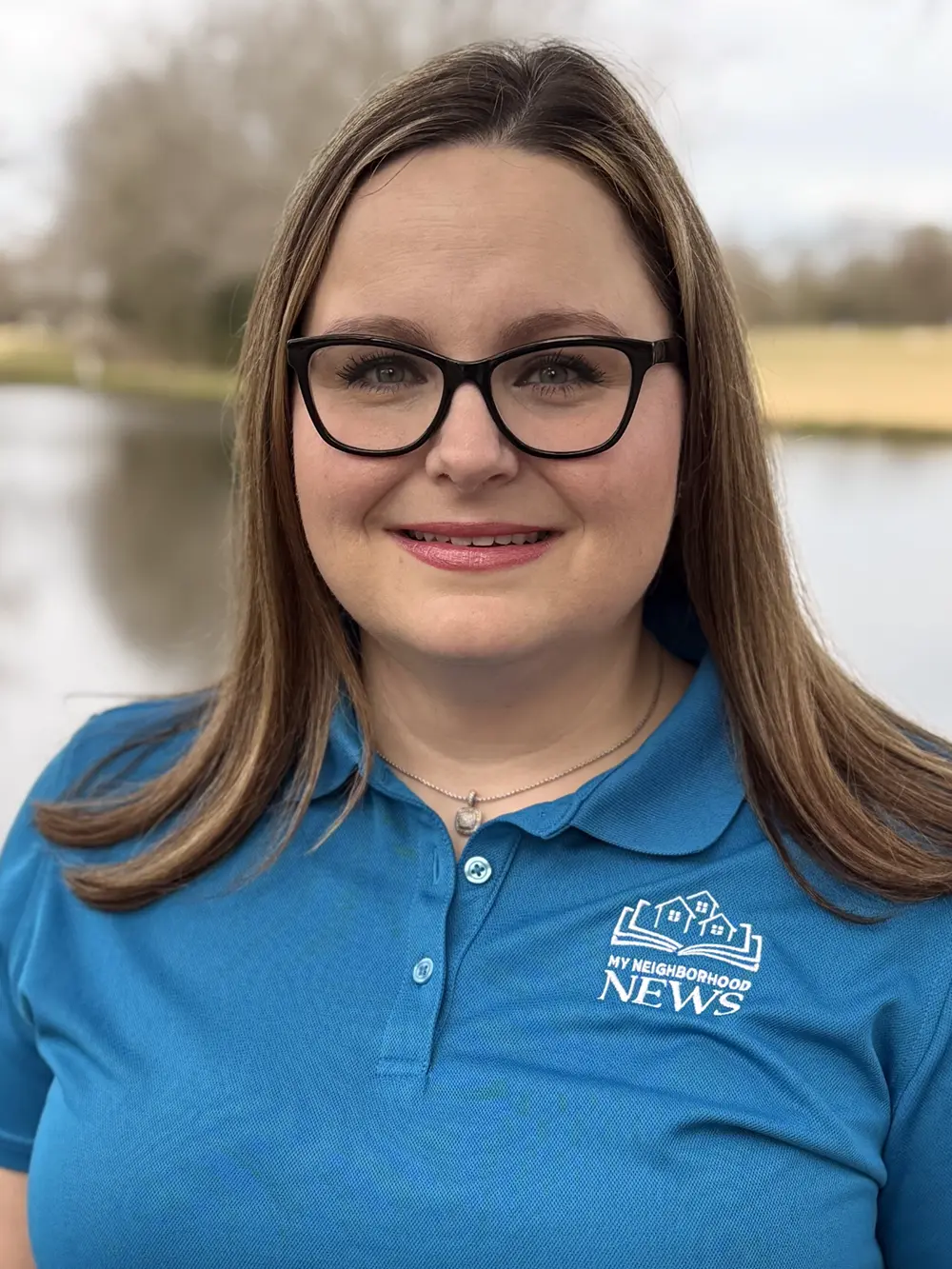 Tiffany Krenek has been on the My Neighborhood News team since August 2021. She is passionate about curating and sharing content that enriches the lives of our readers in a personal, meaningful way. A loving mother and wife, Tiffany and her family live in the West Houston/Cypress region.