







METRO Expands Houston On-Demand Transit With Longer Hours, New Vehicles and More Ways to Connect
For Houston residents and suburban commuters who depend on public transportation to reach work, medical appointments, errands or other destinations, getting from one leg of a trip to the next can sometimes be just as important as the main ride itself.
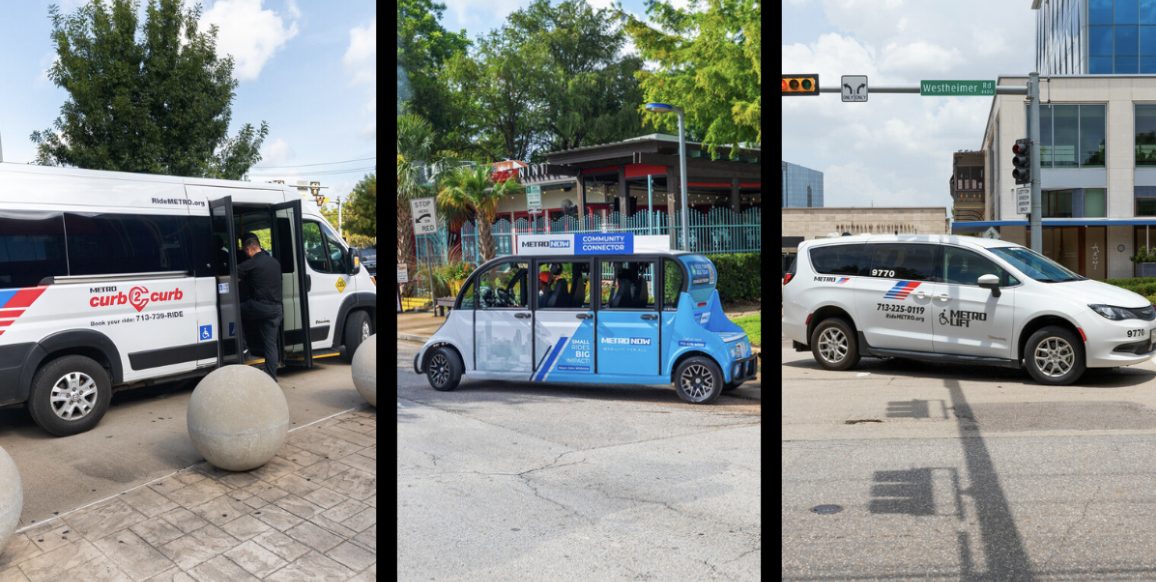
METRO is expanding several of its on-demand transportation services in an effort to make those connections easier.
The Metropolitan Transit Authority of Harris County announced Sept. 22 that it is enhancing METROLift, Community Connector and curb2curb with longer service hours, additional vehicles, new booking technology and stronger connections to METRO buses, rail and other parts of the regional transit network.
For residents in Houston, the changes could provide more flexible neighborhood transportation. For commuters living farther out in the suburbs, the impact is more nuanced. The expanded on-demand services are not designed to provide door-to-door transportation from communities such as Katy, Cypress, Tomball, Sugar Land or The Woodlands into Downtown Houston.
However, some suburban commuters could benefit after entering METRO's network, particularly when an on-demand service helps bridge the final portion of a trip between a transit stop and a workplace or other destination.
“Our customers have evolving mobility needs, and these improvements are about giving them more options and making our services easier to use,” METRO Board Chair Elizabeth Gonzalez Brock said. “That means we are optimizing services, introducing new technology and providing better connections to the rest of our system.”
What the Changes Mean for Houston Suburban Commuters
For someone who lives outside central Houston but works Downtown, in the Texas Medical Center or elsewhere in the city, METRO's traditional commuter services will generally remain the primary way to travel into Houston.
METRO operates Park & Ride commuter express routes from areas including Cypress, Grand Parkway, Spring, Kingwood, Addicks, Bay Area and other parts of Houston and Harris County. Those routes are specifically designed to carry commuters from outlying areas into destinations such as Downtown Houston and the Texas Medical Center.
The new on-demand expansions could complement that network rather than replace it.
For example, a suburban resident could potentially drive to a Park & Ride facility, take an express bus into Houston and then use a local METRO connection to reach a destination that is not directly along the commuter route.
In transportation planning, this is often called the “first mile” or “last mile” problem. A transit system may get a rider most of the way to work, but the final distance between a station, transit center or bus stop and the actual destination can determine whether the entire trip is practical.
METRO's Community Connector and curb2curb services are designed in part to improve those local connections within designated areas.
That means the Sept. 22 announcement may still matter to suburban commuters, but residents should not interpret it as the launch of a new on-demand ride from the suburbs directly into central Houston.
Community Connector Becomes Permanent After 64% Ridership Increase
One of the largest changes involves Community Connector, which METRO says is becoming a permanent part of its transit system following a 64% increase in ridership.
Community Connector is an on-demand rideshare service operating within designated Houston neighborhoods. Riders can request transportation to destinations within a service zone or use the service to connect with METRO bus stops, rail stations and other transportation options.
METRO currently lists Community Connector zones serving Downtown, the Heights, Near Northside, Second Ward and Third Ward. Vehicles operate within defined service areas rather than traveling throughout the Houston region.
That geographic limitation is important for suburban residents.
Someone living in Cypress, Katy or another outer community would not generally be able to summon a Community Connector vehicle from home for the trip into Houston. However, a commuter whose job or destination falls within a Community Connector zone could potentially use the service for part of the trip after arriving in the city.
Under the expansion, service hours across all five zones will extend to Monday through Friday from 7 a.m. to 7 p.m.
METRO is also adding climate-controlled vehicles, dedicated ADA wheelchair-accessible minivans and a Transportation Network Company, or TNC, option that can provide additional capacity during busy periods.
“Community Connector shows what we can accomplish when the City and METRO work together and listen to the communities we serve,” Houston Mayor John Whitmire said. “The growth in ridership tells us people are using and increasingly relying on this service.”

Community Connector Fare Changes Begin Sept. 28
One significant change will affect riders who have been using Community Connector at no charge.
Beginning Sept. 28, 2026, Community Connector will transition to METRO's standard $1.25 fare, according to the agency's announcement.
METRO's existing fare information still lists Community Connector as a free service ahead of that transition, while local buses, METRORail and curb2curb carry a standard $1.25 regular fare.
New onboard fare validators will be incorporated into METRO's newer payment system.
Community Connector passengers will also receive free transfers to other METRO services, and eligible students and seniors will continue to have access to discounted fares with an eligible fare card.
For commuters making a multi-part journey, the transfer component could be especially useful because Community Connector may function as one portion of a longer trip involving a bus, rail line or commuter route.
METRO On Demand App Takes on a Larger Role
METRO is also expanding the role of its On Demand app.
Community Connector will be integrated into the platform for real-time, point-to-point multimodal trip planning.
The METRO On Demand app is already used for curb2curb, Community Connector and METROLift. Depending on the service, riders can use it to plan trips, request rides and manage transportation within eligible service areas.
For a suburban commuter, multimodal trip planning could be useful when combining several forms of transportation.
A trip from Cypress to Downtown Houston, for example, might begin with a drive to a Park & Ride lot, continue aboard a commuter express bus and then involve another METRO service closer to the rider's workplace.
The expanded app functionality is intended to make those different pieces easier to navigate.
METROLift Changes Could Have a Wider Suburban Reach
Of the three programs included in METRO's announcement, METROLift has the greatest potential relevance for eligible residents outside central Houston.
METROLift provides ADA-accessible paratransit service for riders who meet eligibility requirements. Its base service area covers much of Harris County and portions of Fort Bend County, while an extended service area includes locations in northwest Houston, around Hobby Airport, south of Missouri City, and in and around Kingwood, Humble and Clear Lake.
METRO is adding new vans and minivans to replace aging METROLift vehicles and introducing additional technology intended to make reservations and trip information easier to access.
An automated scheduling option will allow customers to make next-day reservations, while a new “Where Is My Ride” feature will provide updated trip information.
METROLift SameDay Feeder trips will also become available for self-service booking through the METRO On Demand app.
METRO is additionally introducing a TNC option to provide extra capacity when demand is high.
For qualifying suburban residents within the METROLift service area, those improvements could have a much more direct impact than Community Connector or curb2curb.
Gulfton Gets a New curb2curb On-Demand Zone
The changes also include a new on-demand transportation option for Houston's Gulfton community.
METRO has added the 347 Gulfton On Demand Service Zone, which operates daily from 5 a.m. to 7 p.m.
curb2curb is an on-demand rideshare service available only in designated communities. Riders can request a pickup within a service zone and travel either to another destination in that zone or to a METRO facility where connections to bus service are available.
The standard curb2curb fare is $1.25, with discounted fares available to qualifying riders.
METRO has also piloted the use of Transportation Network Companies to add capacity when curb2curb demand exceeds the availability of regular vehicles.
Like Community Connector, curb2curb should not be confused with a regional rideshare program that operates throughout the Houston suburbs. Its usefulness depends on whether a rider's origin, destination or transit connection falls within one of METRO's established service zones.

How a Suburban-to-Houston Commute Could Work
For residents trying to determine whether the changes could help with their daily commute, it may be useful to think of METRO's services as parts of a larger transportation chain.
A resident living in Cypress, for example, may use the Cypress Park & Ride system to travel toward Downtown Houston. METRO currently operates commuter service from the northwest Houston area, including the 217 Cypress route.
A commuter from the west Houston area could use Park & Ride routes serving Kingsland, Grand Parkway or Addicks, while residents traveling from the north and northeast portions of the region have options serving Spring, Kingwood, Eastex and Townsen.
Once a commuter reaches Houston, local buses, METRORail or, in certain neighborhoods, an on-demand service may help complete the final portion of the trip.
That is where the latest expansion could become relevant to people who technically live outside the neighborhoods being served.
The benefit is not necessarily getting a new ride from home to work. It is having more ways to connect once a rider reaches METRO's broader system.
Not Every Houston-Area Suburb Is Inside METRO's Service Area
Residents should also keep in mind that the Houston metropolitan area extends well beyond METRO's operating boundaries.
METRO's overall service area covers most of Harris County, portions of Fort Bend County and participating municipalities, but service availability varies substantially depending on the program and location. METROLift, for example, has specifically mapped base and extended service areas rather than serving every address throughout Greater Houston.
That means residents in communities such as Katy, Tomball, Sugar Land, Pearland or The Woodlands should check their specific route, Park & Ride location and destination rather than assuming an on-demand service is available where they live.
For many suburban commuters, the most relevant METRO options will continue to be Park & Ride commuter buses, traditional local transit after reaching Houston, and specialized services where eligibility and geography allow.
What Houston-Area METRO Riders Should Know
The biggest changes are relatively straightforward.
Community Connector is becoming permanent, with weekday operating hours extending to 7 a.m. across its five service zones. Its new $1.25 fare begins Sept. 28.
METROLift customers are gaining new booking technology, replacement vehicles and additional options during periods of heavy demand.
Gulfton now has a dedicated curb2curb on-demand service zone operating seven days a week.
For people living in the suburbs and commuting into Houston, these services will generally supplement existing Park & Ride and fixed-route transportation rather than replace them.
That distinction matters in a region as geographically spread out as Greater Houston. A transportation option does not necessarily have to reach a commuter's front door to make the overall trip easier. Sometimes the most useful improvement is simply making the connection between the commuter bus, transit center and final destination less complicated.
Riders can review service maps, Park & Ride routes, METROLift eligibility requirements and on-demand transportation options through METRO's official website at RideMETRO.org.
As METRO continues rolling out the expanded hours, fare changes and new transportation options, My Neighborhood News will continue following developments that affect how residents across Houston and surrounding communities get to work, appointments and everyday destinations.

 Tiffany Krenek has been on the My Neighborhood News team since August 2021. She is passionate about curating and sharing content that enriches the lives of our readers in a personal, meaningful way. A loving mother and wife, Tiffany and her family live in the West Houston/Cypress region.
Local business spotlight
Grow your business
where trust already lives.
Let’s introduce your business to the neighbors nearby.
Have a local favorite?
Let’s make an introduction.
Leave your email and our team will reach out with ways to promote your business.
Give a local favorite a little love.
Know a business your neighbors should discover? Tell us who they are.
We couldn’t send that just yet. Please try again.