






Houston-Area Hospitals Are Counting on Type O Donors Before the Next Emergency
When a badly injured patient reaches a trauma center, there may be no time to wait.
Doctors and nurses can be working within moments to stop bleeding, stabilize vital signs and begin transfusions — sometimes before the patient's blood type is even known. The blood used during those first critical minutes was donated earlier by someone in the community who made an appointment, rolled up a sleeve and gave hospitals something they cannot manufacture or replace another way.
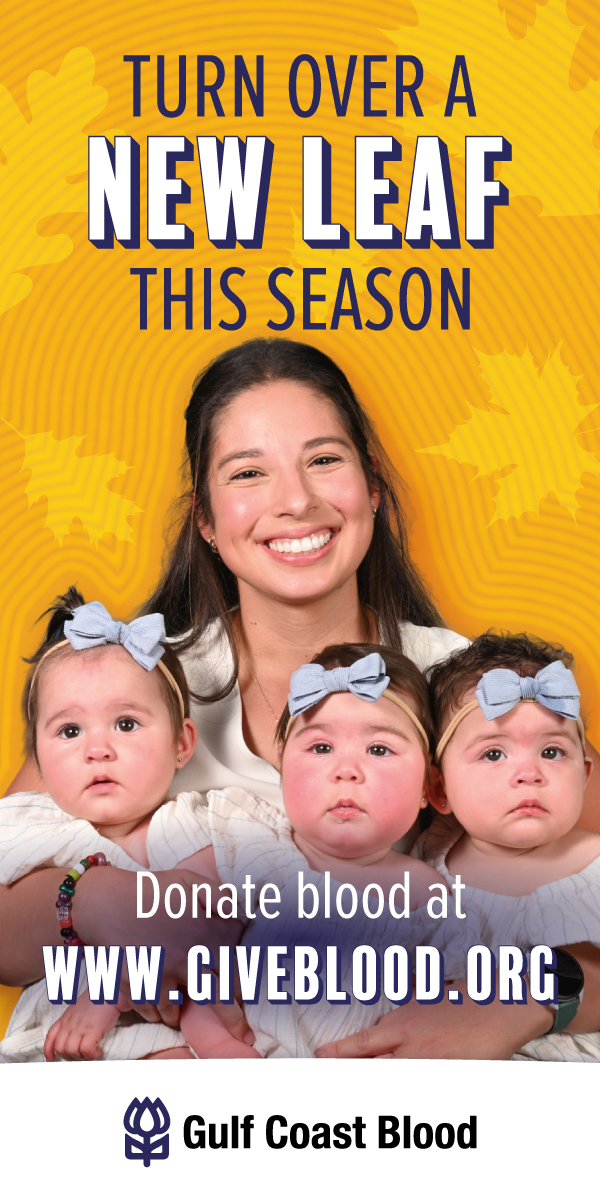
That is why Gulf Coast Blood is asking Greater Houston-area residents to donate now, with a particular need for Type O positive and Type O negative blood donors.
For families across Houston and surrounding communities, the appeal is less about responding to one particular tragedy than preparing for whatever happens next.
Why Type O Blood Is So Important in Trauma Care
Type O blood carries an especially important role in emergency medicine.
When a trauma patient arrives with life-threatening injuries and there is not enough time to determine blood type, O negative red blood cells can be used in emergency situations when the patient's blood type is unknown. Gulf Coast Blood also notes that O positive is the most frequently transfused blood type, making both types important to the region's emergency blood supply.
“Trauma care is a race against the clock. When a patient arrives in critical condition, having blood immediately available can give medical teams the time and resources they need to save that person's life,” said Kevin Shipley, vice president of Donor and Community Engagement for Gulf Coast Blood. “Every donation matters, but Type O donors play a particularly important role in helping trauma centers and hospitals respond to emergencies.”
The distinction matters because trauma care does not leave much room for restocking after the fact. A patient with severe bleeding may need significant quantities of blood products quickly, and several simultaneous emergencies can place additional pressure on hospital inventories.
Blood therefore has to be collected, tested, processed and available before the emergency occurs.
Houston-Area Hospitals Need Blood Every Day, Not Only After a Crisis
The need extends well beyond trauma cases.
Blood products are routinely used for surgeries, cancer treatment, premature infants, chronic blood disorders and other serious medical conditions. Gulf Coast Blood says the region needs approximately 1,000 blood donations every day to support patients, and because blood cannot be manufactured and blood products have limited shelf lives, that supply must be continually replenished. Platelets, for example, last only about five days.
That daily cycle is easy to overlook when there is no major disaster dominating the news.
But inside hospitals, the need never really stops.
“People may not realize that a donation made today could help provide the blood a doctor needs during someone's worst moment,” said Stephanie Jacksis, corporate communications manager for Gulf Coast Blood. “You can't predict when an emergency will happen, but you can help make sure blood is ready when it does. We encourage all donors, especially those with Type O blood, to make an appointment and give.”
Gulf Coast Blood says one blood donation can potentially help multiple patients. Its current donor information notes that a donation can help save as many as three lives in the community.
That can mean helping a trauma patient after a wreck, someone undergoing cancer treatment or surgery, or a person whose medical condition requires repeated transfusions.
For the donor, the appointment may take a relatively small portion of the day. For the recipient and family waiting inside a hospital, that donated blood may become part of a much bigger story.
What Happens When Someone Donates Blood?
For first-time donors wondering what blood donation is actually like, Gulf Coast Blood describes a fairly straightforward process.
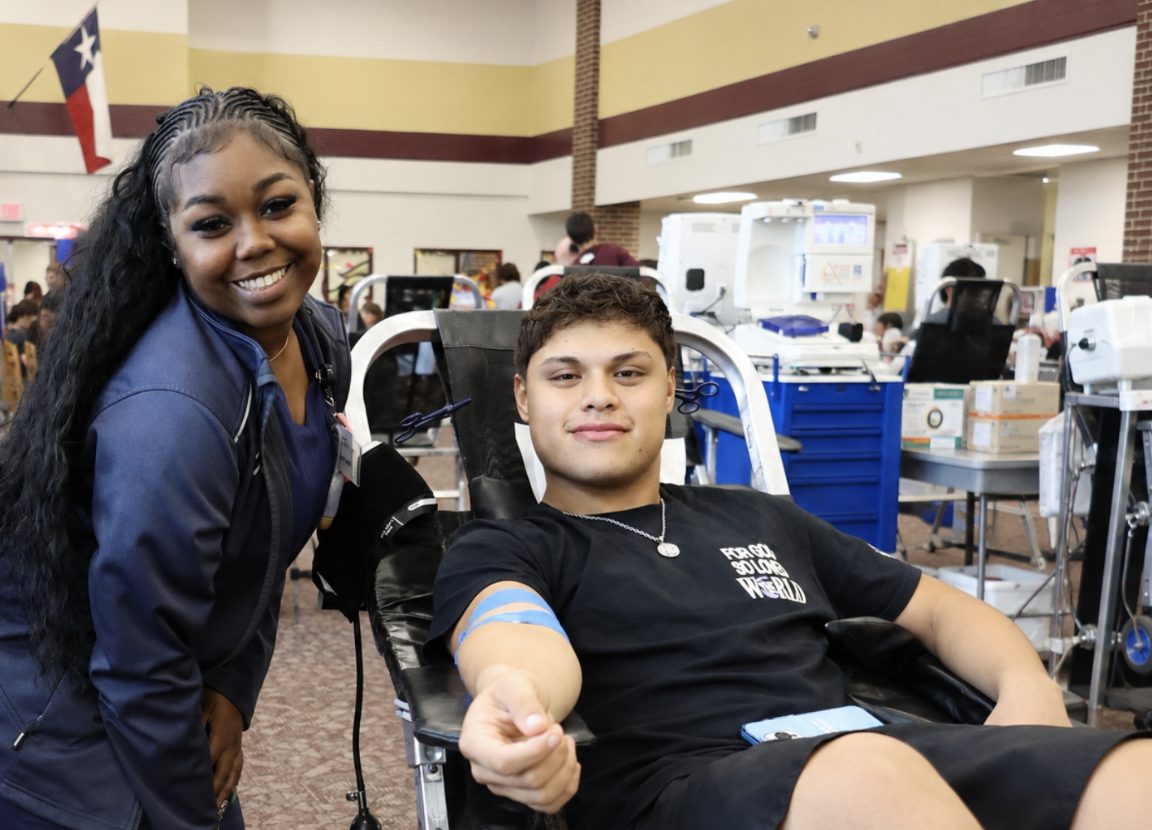
After arriving, donors present a photo ID and register. They then complete confidential health questions and receive a mini physical that checks blood pressure, temperature, pulse, iron and hemoglobin levels to confirm eligibility.
Once a donor is seated and prepared, the whole blood collection itself typically takes less than 10 minutes. Afterward, donors are offered drinks and snacks and encouraged to rest briefly before leaving. The overall visit generally takes about an hour.
Gulf Coast Blood advises donors to get a good night's sleep beforehand, eat an iron-rich meal, drink plenty of fluids and bring identification. Appointments are preferred, although walk-ins may be accepted.
Eligible donors can generally give whole blood every 56 days, or eight weeks, according to Gulf Coast Blood.
The organization's website also offers a CFL Express Pass, allowing donors to complete screening questions before arriving and potentially streamline part of the appointment.

The Gap Between Who Can Donate and Who Actually Does
One reason consistent community participation matters is that the pool of people who actually donate is considerably smaller than the number who may be eligible.
Gulf Coast Blood states that about 1 in 7 hospitalized people will need a blood transfusion during their lifetime, while only about 1 in 20 eligible donors actually gives blood.
That imbalance helps explain why blood centers continually encourage residents not to view donation only as something to do after a disaster.
An emergency blood supply is built beforehand, one regular donor at a time.
Gulf Coast Blood encourages people who are eligible to consider making donation part of their routine rather than waiting for an urgent public appeal. Its Commit for Life program recommends donating once per quarter when possible, while noting that eligible whole blood donors can give as often as every 56 days.
Gulf Coast Blood Serves More Than 170 Hospitals Across the Region
Behind those individual donations is a blood distribution network serving a large portion of Southeast Texas.
Gulf Coast Blood is a nonprofit blood and biotherapies organization and the only blood provider serving Houston and surrounding communities 24 hours a day, seven days a week. The organization supplies blood and related products to more than 170 hospitals and healthcare facilities across 26 counties, including hospitals within the Texas Medical Center, as well as communities throughout the Texas Gulf Coast, Brazos Valley and East Texas.
The organization has also been expanding donor access. Gulf Coast Blood opened new donor centers in Memorial and Sienna in 2026 as part of efforts to increase collection capacity and support the approximately 1,000 daily donations needed across its service area.
Its mission has expanded beyond traditional blood banking to include biotherapies, research support and patient-centered services, but the underlying community model remains much the same: hospitals depend on people voluntarily giving blood so it is available when patients need it.
As Gulf Coast Blood puts it in its donor education materials, there is no manufactured replacement for human blood.
Blood Donors Can Also Receive a Free Cholesterol Screening Through December
There is an additional health benefit available to donors for the remainder of 2026.
From Aug. 1 through Dec. 31, 2026, every donor who completes a successful blood donation with Gulf Coast Blood receives a complimentary cholesterol screening. The screening measures total cholesterol, LDL, HDL and triglycerides, with results made available in the donor's Digital Donor account within approximately two weeks. No fasting is required.
Gulf Coast Blood emphasizes that the screening is not a medical diagnosis, and donors with questions or results outside expected ranges should speak with their healthcare provider.
How to Find a Blood Drive or Donation Center Near You
Gulf Coast Blood encourages eligible donors of every blood type to give, while stressing the current importance of Type O positive and Type O negative donors for trauma and emergency care.
Residents can visit giveblood.org to schedule an appointment, find a Gulf Coast Blood donor center or search for a mobile blood drive near their community. With many brick-and-mortar donation centers and mobile blood drives available across the Greater Houston area, there are plenty of convenient ways to donate blood through Gulf Coast Blood.
For someone deciding whether to set aside an hour, consider this: the blood a patient may urgently need tomorrow has to be donated before that emergency ever happens.
No one can know which family will need it next.
The community can help make sure it is already there when they do.
Stay tuned to My Neighborhood News for additional local health resources, blood drives and community opportunities to help neighbors across the Greater Houston area.

 Tiffany Krenek has been on the My Neighborhood News team since August 2021. She is passionate about curating and sharing content that enriches the lives of our readers in a personal, meaningful way. A loving mother and wife, Tiffany and her family live in the West Houston/Cypress region.
Local business spotlight
Grow your business
where trust already lives.
Let’s introduce your business to the neighbors nearby.
Have a local favorite?
Let’s make an introduction.
Leave your email and our team will reach out with ways to promote your business.
Give a local favorite a little love.
Know a business your neighbors should discover? Tell us who they are.
We couldn’t send that just yet. Please try again.