








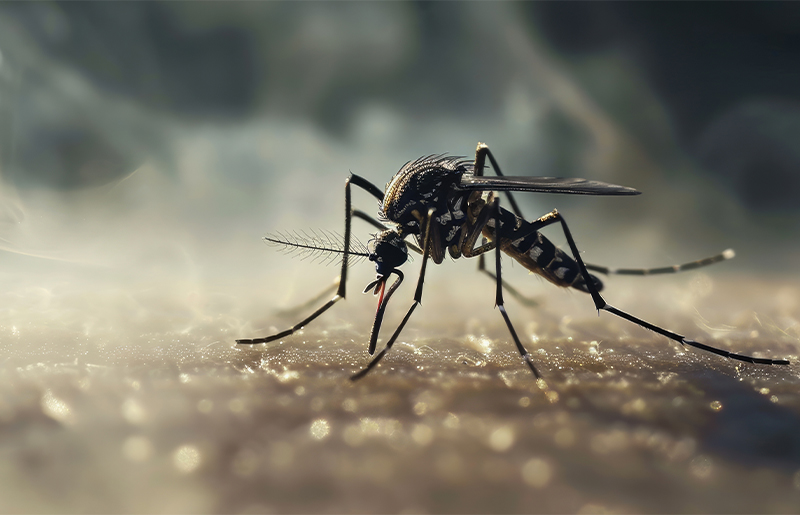
Fort Bend County Mosquito Control Program: What Falcon Point East Residents Should Know to Protect Their Homes and Families
As warmer weather returns across Fort Bend County, mosquito activity begins to rise—bringing with it concerns that go far beyond backyard nuisance. For families in Falcon Point East, understanding how mosquito control works locally can make a real difference in protecting both health and home.
Fort Bend County Environmental Health’s Mosquito Control program is designed with one clear goal: to reduce mosquito populations and prevent the spread of mosquito-borne diseases like West Nile virus through a carefully planned, science-based approach. Rather than relying on routine spraying, the County uses a data-driven strategy known as Integrated Mosquito Management (IMM)—a method focused on targeting risks where and when they matter most.
How Fort Bend County’s Mosquito Control Program Works
Unlike what many residents may expect, mosquito spraying in Fort Bend County is not done on a fixed schedule or by request. Instead, decisions are guided by ongoing surveillance and public health data.
The County actively monitors mosquito populations across more than 90 locations using specialized traps. These mosquitoes are then tested for viruses, including West Nile virus, with samples analyzed both locally and through the Texas Department of State Health Services Arbovirus Laboratory.
When a positive mosquito pool—a group of mosquitoes carrying a virus—is detected, targeted spraying (adulticide application) may be conducted. These treatments typically occur overnight, when mosquitoes are most active and pollinators like bees are less affected.
At the same time, crews work proactively to stop mosquitoes before they mature. Larvicide treatments are applied to standing water using EPA-approved products such as Methoprene, Spinosad, or Bti—helping reduce mosquito populations at the source.
Why This Matters for Falcon Point East Residents
Mosquitoes in Texas are more than a seasonal annoyance—they can carry diseases that affect both people and animals. While the risk of serious illness like West Nile neuroinvasive disease remains low, health officials emphasize prevention as the most effective protection.
In Fort Bend County, West Nile virus has been present since 2001. Most infected individuals never develop symptoms, but about 20% may experience flu-like illness, and a small percentage—particularly older adults or those with weakened immune systems—can face more severe complications.
This makes early detection, monitoring, and prevention efforts especially important in growing communities like Falcon Point East, where new development and changing landscapes can create new breeding opportunities for mosquitoes.

What You Can Do at Home: The “4 Ds” of Mosquito Safety
While the County leads large-scale prevention efforts, residents play a critical role in reducing mosquito populations right at home. Fort Bend County Environmental Health recommends following the “4 Ds” of mosquito prevention:
-
Dusk & Dawn: Limit outdoor activity during peak mosquito hours.
-
Drain: Remove standing water from flower pots, gutters, pet dishes, and other containers.
-
Dress: Wear long sleeves and pants when outdoors.
-
Defend: Use EPA-approved insect repellent for added protection.
Even small amounts of standing water—like water collected in a bottle cap or clogged gutter—can become breeding grounds. For larger water features, residents are encouraged to refresh water regularly, keep pools properly maintained, and use mosquito dunks when needed.
Addressing Common Questions About Spraying and Safety
One of the most common concerns among residents is when and why mosquito spraying occurs. Fort Bend County officials emphasize that:
-
Spraying is only conducted when surveillance data indicates a public health risk.
-
Treatments are applied using EPA-approved products designed to break down quickly in the environment.
-
Applications typically occur between 9 p.m. and 4 a.m., when mosquito activity is highest.
For those with pets, gardens, or outdoor living spaces, the County notes that these treatments—when used according to guidelines—pose minimal risk. Residents who prefer to take extra precautions can choose to remain indoors during spraying, though it is not required.
Additionally, beekeepers and residents concerned about pollinators can request to be added to a “Do Not Spray” list by contacting the County directly.
A Shared Effort to Keep Fort Bend County Safe
Beyond treatments and surveillance, education remains a central part of the County’s mosquito control strategy. Residents can report mosquito activity, request community presentations, and access resources on prevention and disease awareness.
For Falcon Point East, this program represents more than routine maintenance—it’s part of a broader effort to support public health, protect property values, and ensure families can safely enjoy their outdoor spaces throughout the year.
What Happens Next
As mosquito season progresses, Fort Bend County will continue weekly surveillance and adjust its response based on real-time data. Residents may notice increased activity after rainfall or during peak summer months, making ongoing prevention efforts at home even more important.
To report mosquito activity or learn more, residents can visit the Fort Bend County reporting tool or contact Mosquito Control directly at 281-238-3001 or EH-MosquitoControl@fbctx.gov.
Staying informed is one of the most effective ways to protect your household. Continue following My Neighborhood News for updates on local programs, public health initiatives, and community resources impacting Falcon Point East.

 Tiffany Krenek has been on the My Neighborhood News team since August 2021. She is passionate about curating and sharing content that enriches the lives of our readers in a personal, meaningful way. A loving mother and wife, Tiffany and her family live in the West Houston/Cypress region.
Local business spotlight
Grow your business
where trust already lives.
Let’s introduce your business to the neighbors nearby.
Have a local favorite?
Let’s make an introduction.
Leave your email and our team will reach out with ways to promote your business.
Give a local favorite a little love.
Know a business your neighbors should discover? Tell us who they are.
We couldn’t send that just yet. Please try again.