






Cooler Weather Brings More Dog Walks in Williamsburg Settlement, Along With an Important Reminder for Pet Owners
With cooler weather finally making outdoor activities more enjoyable, residents of are spending more time walking through their neighborhoods, visiting community parks and taking their dogs out for some fresh air. It's one of the welcome changes that comes with fall in the Greater Houston area, when an evening stroll no longer means braving the intense summer heat.
But as more neighbors and their pets head outdoors, there's one small responsibility that can make a big difference in keeping the community clean and enjoyable: picking up after dogs.
Dog waste left along sidewalks, in grassy common areas or near walking trails is more than an unpleasant surprise for someone passing by. It can create sanitation concerns, affect local water quality and make shared outdoor spaces less welcoming for families, children and other pets.
For a neighborhood like Williamsburg Settlement, where residents share sidewalks, green spaces and recreational areas, taking a few extra seconds to clean up after a pet is a simple way to show consideration for the people who call the community home.
Why Picking Up After Your Dog Matters to Your Neighbors
Anyone who has accidentally stepped in dog waste knows how frustrating the experience can be. Beyond the unpleasant smell, tracking it onto shoes, into vehicles or even inside the house can turn an otherwise enjoyable walk into an unnecessary cleanup project.
Dog waste left in grassy areas can also become a problem for children playing outdoors, landscaping crews maintaining neighborhood grounds and other pet owners using the same spaces.
Even when waste is left away from a sidewalk, it doesn't simply disappear without consequences. Rain, irrigation and foot traffic can spread contamination beyond the original location.
And while most pet owners would never intentionally leave a mess on a neighbor's property, overlooking waste in common areas can have much the same effect. Those shared spaces belong to everyone, and keeping them clean is a responsibility that benefits the entire neighborhood.
Dog Waste Can Pollute Storm Drains, Creeks and Local Waterways
One of the less obvious reasons to pick up after dogs involves what happens when it rains.
According to the U.S. Environmental Protection Agency (EPA), pet waste can contribute bacteria and nutrients to stormwater runoff. When rain washes across lawns, sidewalks, streets and other surfaces, it can carry animal waste into nearby storm drains, ditches, creeks and other waterways.
Unlike wastewater from household plumbing, stormwater in many communities flows through drainage systems without receiving treatment at a wastewater facility before reaching local bodies of water.
That means dog waste left in a neighborhood can become part of a much larger environmental problem.
Pet waste can contain harmful microorganisms, including bacteria and parasites. When these contaminants reach recreational waters, they can contribute to health risks for people and animals. Nutrients from waste, including nitrogen and phosphorus, can also contribute to excessive algae growth and declining water quality.
This is particularly relevant in the Greater Houston area, where heavy rainfall and interconnected drainage systems can move runoff from residential streets into bayous, creeks and larger watersheds.
For residents who care about protecting local waterways, picking up after a dog is one of the easiest everyday steps they can take to help reduce preventable pollution.

Isn't Dog Waste a Natural Fertilizer?
It's a common misconception that dog waste is beneficial for grass because it is organic.
Unlike manure from herbivores such as cows and horses, dog waste is not a suitable lawn fertilizer. Dogs consume diets that are typically higher in protein, and their waste can introduce unwanted bacteria, parasites and concentrated nutrients into the environment.
Leaving dog waste on the ground to decompose does not eliminate the risk of runoff or contamination. In fact, rainfall can transport pollutants away from the waste long before it has fully broken down.
Even in wooded areas, drainage easements or undeveloped sections of a neighborhood, leaving pet waste behind is not an environmentally responsible disposal method.
The better option is to collect it, secure it in a bag and place it in an appropriate trash receptacle.
Simple Ways to Make Cleaning Up After Your Dog Easier
Fortunately, responsible pet ownership doesn't require much preparation. A few inexpensive supplies and consistent habits can make cleanup a routine part of every walk.
Keeping a waste bag dispenser attached to a dog's leash is one of the easiest ways to avoid forgetting bags at home. Pet owners can also keep extra rolls near the front door, in a vehicle or alongside other everyday walking essentials.
For households with multiple dogs, bringing more bags than expected is especially helpful. A designated outdoor trash can at home can also make disposal more convenient after returning from a walk.
Several popular dog waste cleanup products available on Amazon offer practical options:
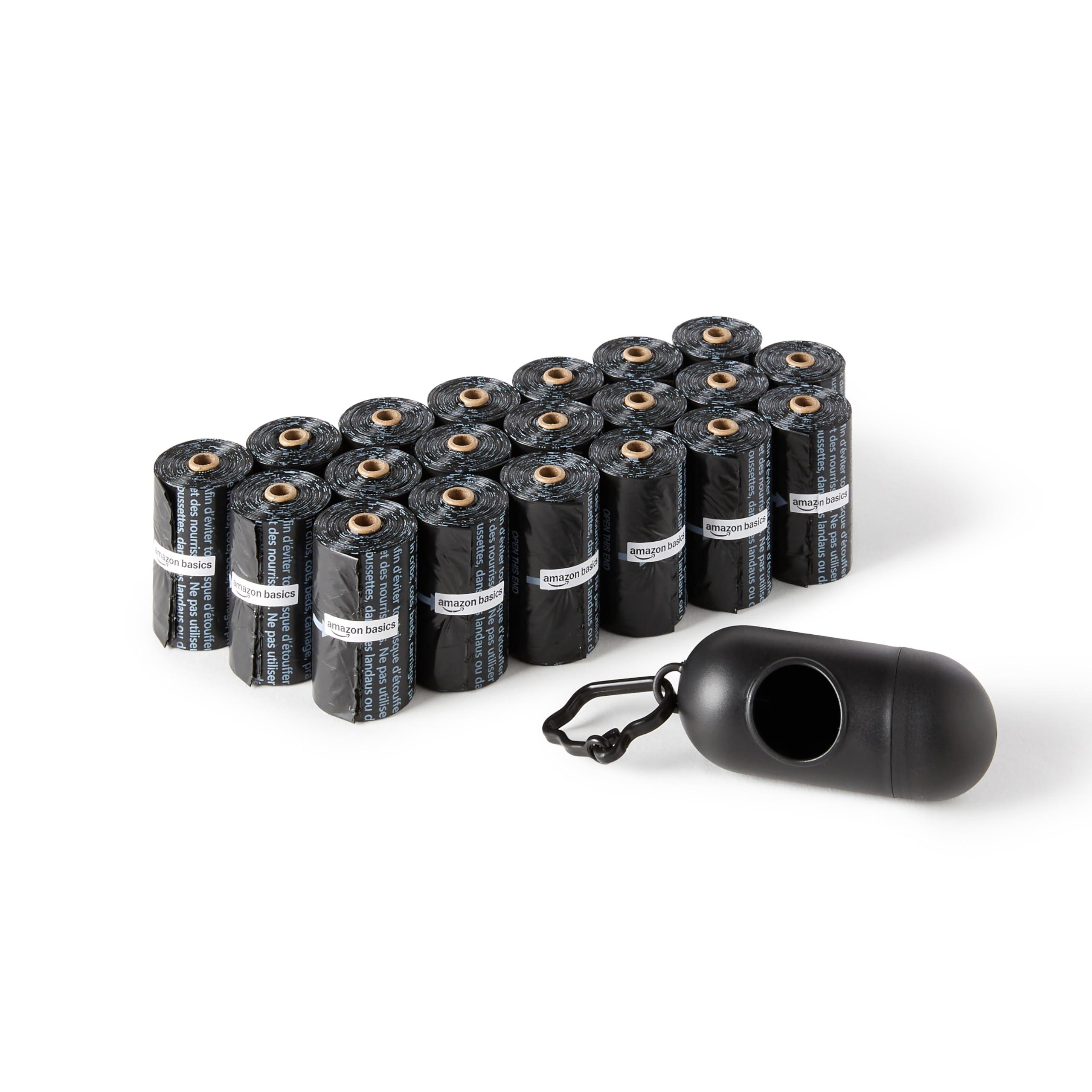 |
Amazon Basics Dog Waste Bags with Dispenser Unscented, leak-resistant bags with a leash clip and dispenser, making them convenient for everyday neighborhood walks. The 300-count version has a reported 4.8-star rating. |
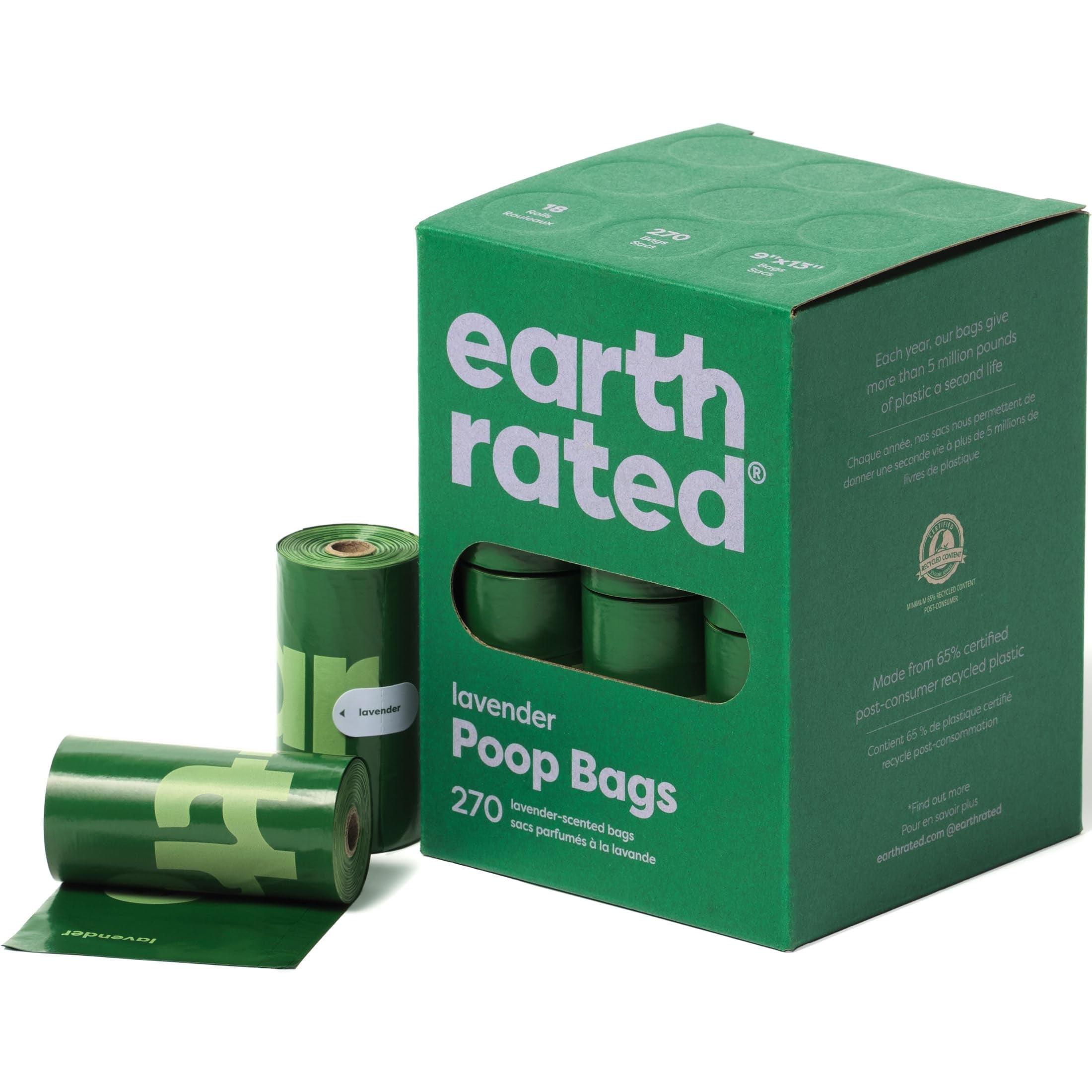 |
Earth Rated Dog Poop Bags Extra-thick waste bags available in scented and unscented varieties. A popular refill option for pet owners who already have a leash-mounted dispenser, with a reported 4.8-star rating. |
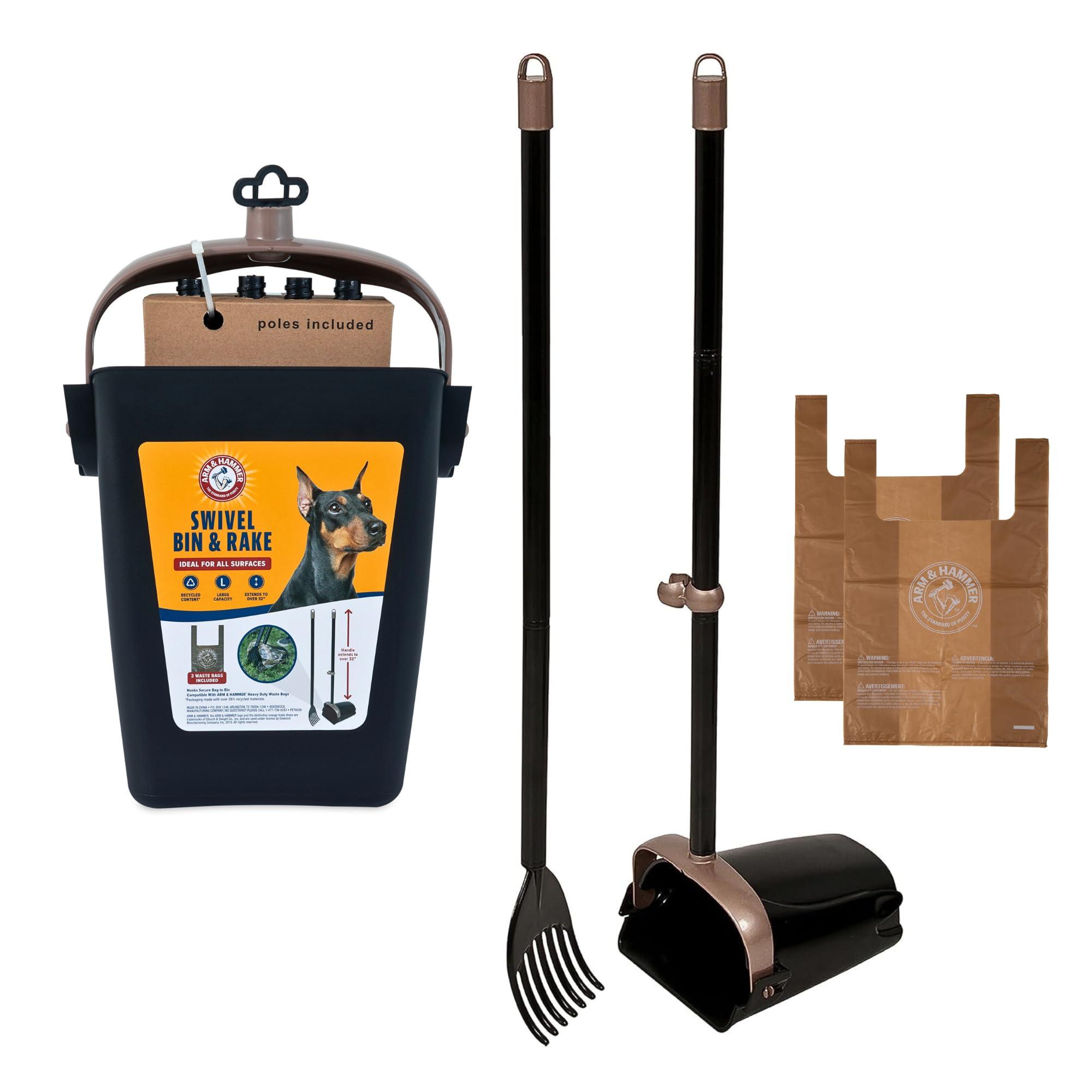 |
Arm & Hammer Swivel Bin & Rake Pooper Scooper A long-handled cleanup tool designed for collecting dog waste from lawns without bending down, particularly useful for homeowners maintaining their yards. It has a reported 4.5-star rating. |
Product ratings are based on 2026 Amazon marketplace tracking and may change.
Residents don't need specialty products to do their part, however. An ordinary bag used safely and disposed of properly is enough to prevent pet waste from being left behind.
One important detail: even bags marketed as biodegradable or compostable should generally be placed in the trash unless an approved pet waste composting service accepts them. Dog waste should not be placed in ordinary backyard compost used for vegetable gardens, and bags should never be tossed into storm drains or left beside community trash cans.
Keeping Neighborhood Parks, Sidewalks and Common Areas Enjoyable for Everyone
Neighborhood walking trails, parks and green spaces are among the amenities residents appreciate most when temperatures become more comfortable. They provide opportunities to exercise, spend time with family, meet neighbors and enjoy the outdoors without traveling far from home.
Keeping these spaces clean takes cooperation from everyone who uses them.
Pet owners should collect waste promptly, even when their dogs relieve themselves in grassy areas away from pedestrian traffic. Waste should be carried to a designated receptacle rather than left in a bag along a trail with the intention of retrieving it later.
It's also worth remembering that community dog waste stations, where available, are conveniences rather than substitutes for coming prepared. Bringing a personal supply of bags helps ensure cleanup is possible even when a station is empty.
Residents can also check their homeowners association or property management guidelines for specific pet waste disposal requirements. Some neighborhoods have designated pet relief areas or community rules intended to protect shared landscaping and recreational facilities.
A Small Habit That Makes a Difference in Williamsburg Settlement
As fall brings more opportunities to enjoy the outdoors, keeping sidewalks and neighborhood green spaces clean is something residents can accomplish together.
For dog owners, it means being prepared before leaving home, picking up after their pets every time and disposing of waste properly. For neighbors, it means fewer unpleasant encounters on sidewalks and lawns, cleaner shared spaces and less pet waste available to wash into local drainage systems when the next rainstorm arrives.
It's a small act of consideration that helps make daily life more pleasant for everyone, whether they're walking a dog, pushing a stroller, riding a bicycle or simply enjoying the cooler weather.
As residents make the most of the season, My Neighborhood News encourages neighbors to continue looking out for one another and to stay tuned for more community reminders, neighborhood updates and helpful information.

 Tiffany Krenek has been on the My Neighborhood News team since August 2021. She is passionate about curating and sharing content that enriches the lives of our readers in a personal, meaningful way. A loving mother and wife, Tiffany and her family live in the West Houston/Cypress region.

Local business spotlight
Grow your business
where trust already lives.
Let’s introduce your business to the neighbors nearby.
Have a local favorite?
Let’s make an introduction.
Leave your email and our team will reach out with ways to promote your business.
Give a local favorite a little love.
Know a business your neighbors should discover? Tell us who they are.
We couldn’t send that just yet. Please try again.