








Colder Temperatures This Week Prompt Home Safety Reminders in West Memorial
This week’s colder temperatures in West Memorial have been a noticeable change from the milder weather we’ve had in recent weeks. As many households adjust—turning on heaters, closing up windows, and spending more time indoors—it’s a good moment to think about how even a short stretch of colder weather can affect home safety in ways that aren’t always obvious.
From turning on space heaters for the first time in months to keeping windows closed more often, small winter habits can introduce home safety risks that aren’t always top of mind. Here are a few less-obvious cold-weather safety concernsresidents in West Memorial may want to keep in mind this month.
Carbon Monoxide Risks During Mild Cold Weather
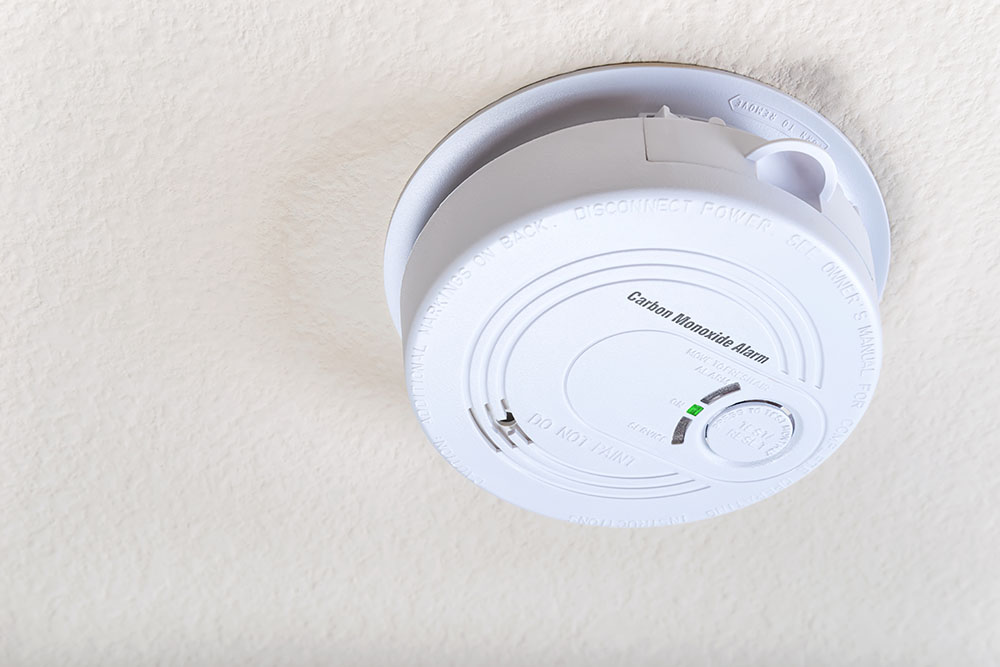
Carbon monoxide (CO) is often associated with extreme winter storms, but it can become an issue even during mild Texas cold snaps.
When heaters, gas fireplaces, or gas appliances are used intermittently—especially in tightly sealed homes—carbon monoxide can build up without noticeable warning signs. Attached garages can also contribute, particularly when vehicles are started to warm up on cold mornings.
Helpful reminders for residents:
- Make sure carbon monoxide detectors are installed near bedrooms, not just in hallways
- Test detectors at the start of the cooler season, not only during freezes
- Never run vehicles, grills, or gas appliances in enclosed or poorly ventilated spaces
Carbon monoxide is odorless and invisible, which is why early detection is critical.
Space Heaters: Small Devices, Big Impact
Many households in the area rely on space heaters instead of turning on central heat during cooler nights. While convenient, space heaters are one of the most common causes of winter house fires—often due to placement rather than malfunction.
Bedrooms and bathrooms tend to be the highest-risk areas, especially when heaters are used overnight or placed near bedding, towels, or curtains.
Safer space heater practices include:
- Keeping heaters at least three feet away from anything flammable
- Plugging heaters directly into wall outlets—not power strips
- Turning heaters off before leaving the room or going to sleep
Using a heater “just for a little while” can still pose risks if safety steps are overlooked.

Indoor Air Quality When Homes Stay Closed Up
Cooler weather usually means fewer open windows, which can affect indoor air quality more than many people realize.
Dust, pet dander, and allergens circulate longer when fresh air isn’t moving through the home. At the same time, heaters and fireplaces can dry indoor air, leading to irritated sinuses, dry skin, or nosebleeds—especially in children and older adults.
Simple ways to improve indoor air comfort:
- Replace HVAC filters regularly during winter months
- Consider using a humidifier in frequently used rooms
- Vacuum and dust more often when windows stay closed
These small adjustments can make homes healthier and more comfortable during January.
Fire Risks That Can Linger After the Heat Is Off
One of the most overlooked winter safety issues is the belief that risk ends once heaters, fireplaces, or candles are turned off.
In reality, fires often start after heat sources have been used—when items are still warm, cords remain plugged in, or ashes haven’t fully cooled.
Important reminders:
- Unplug space heaters when they’re not in use
- Allow wood-burning fireplace ashes to cool completely before disposal
- Avoid leaving candles unattended during darker winter evenings
Many winter fire incidents begin quietly, long after the room feels warm again.
A Gentle Reminder for West Memorial Residents
Texas winters may be mild compared to other parts of the country, but even small seasonal shifts can affect home safety in ways that aren’t always obvious. Taking a few minutes to check detectors, adjust heating habits, and stay aware of indoor conditions can make a meaningful difference.
Stay tuned with My Neighborhood News for more seasonal safety tips, local updates, and community-focused information throughout the winter months in West Memorial.

 Tiffany Krenek has been on the My Neighborhood News team since August 2021. She is passionate about curating and sharing content that enriches the lives of our readers in a personal, meaningful way. A loving mother and wife, Tiffany and her family live in the West Houston/Cypress region.
Local business spotlight
Grow your business
where trust already lives.
Let’s introduce your business to the neighbors nearby.
Have a local favorite?
Let’s make an introduction.
Leave your email and our team will reach out with ways to promote your business.
Give a local favorite a little love.
Know a business your neighbors should discover? Tell us who they are.
We couldn’t send that just yet. Please try again.