







Austin-Based Texas Cardiac Arrhythmia Institute Achieves U.S. First with New FDA-Approved Defibrillation Technology
For millions of Americans living with heart rhythm disorders, advances in cardiac care can mean the difference between a medical emergency and a life-saving intervention. Now, a groundbreaking milestone achieved in Austin is bringing new attention to Texas’ role in advancing cardiovascular medicine.
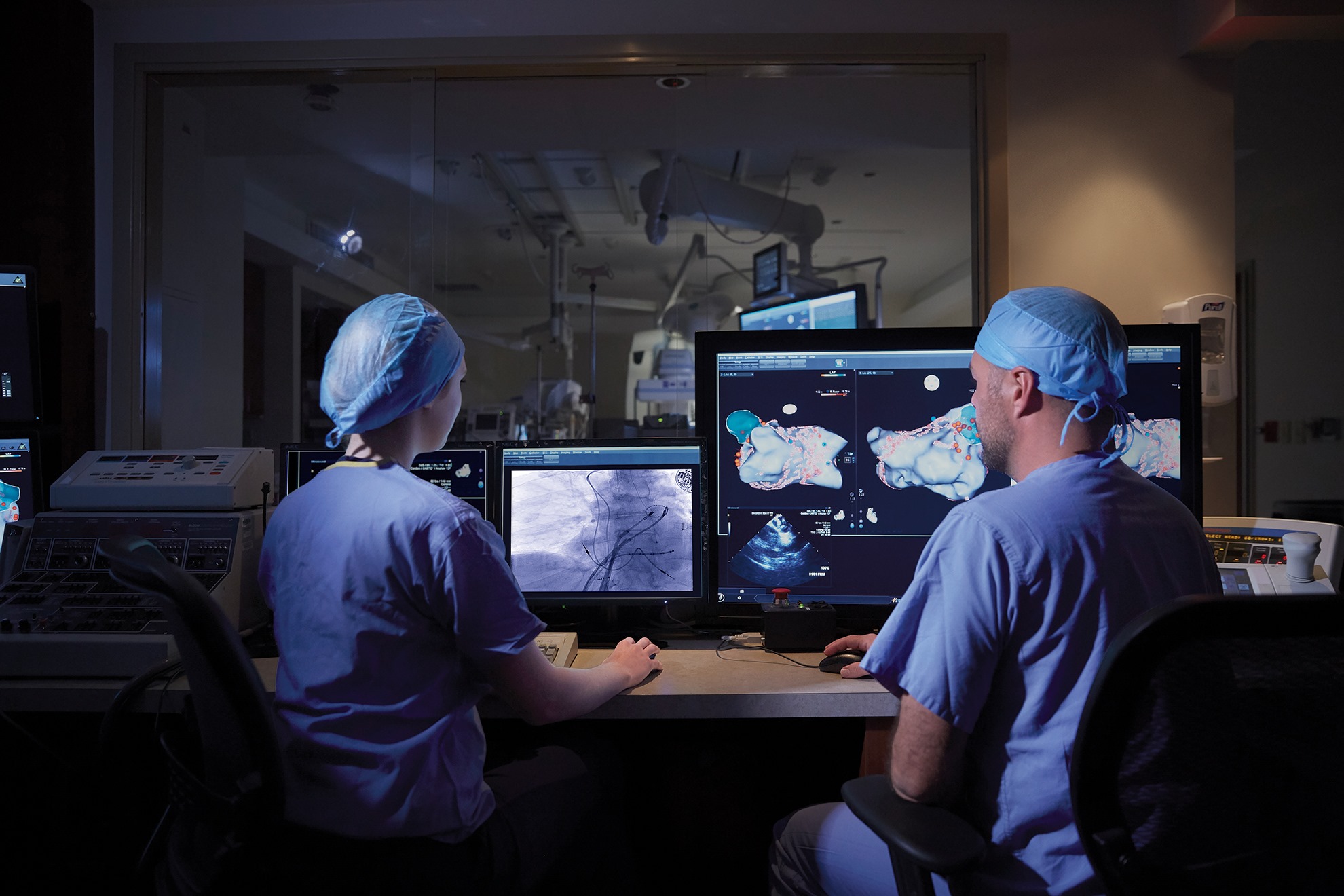
The Texas Cardiac Arrhythmia Institute (TCAI) at St. David’s Medical Center recently became the first facility in the United States to implant a newly FDA-approved defibrillation lead, a specialized wire that connects implantable cardiac devices to the heart and helps correct potentially dangerous abnormal heart rhythms.
The technology, described as the world's smallest catheter-delivered defibrillation lead, represents a significant advancement in the treatment of patients who require implantable cardioverter defibrillators (ICDs) or cardiac resynchronization therapy defibrillators (CRT-Ds). These devices monitor the heart and deliver life-saving therapy when abnormal rhythms are detected.
Why This Matters for Texas Patients
Heart rhythm disorders, known as arrhythmias, affect millions of Americans and can lead to serious complications, including sudden cardiac arrest. According to the Journal of the American Heart Association, an estimated 12.1 million people in the United States are expected to have atrial fibrillation—the most common form of arrhythmia—by 2030.
For patients who require implantable cardiac devices, the lead plays a critical role. It senses the heartbeat and transmits information to the implanted device, which then delivers electrical therapy when needed to restore a normal rhythm.
The newly approved lead is smaller than existing defibrillation leads and is delivered through a catheter directly into the heart's right ventricle. Physicians say the smaller profile allows for more precise placement while potentially reducing risks associated with larger leads over time.
For patients and families navigating heart rhythm disorders, innovations like this may expand treatment options while improving long-term outcomes and device performance.
Austin Physicians Lead the Nation
The first U.S. implantation of the new technology was performed on January 7 by Robert Canby, M.D., and Amin Al-Ahmad, M.D., clinical cardiac electrophysiologists at TCAI.
Dr. Canby also played a role in the clinical trial process that ultimately contributed to the device receiving approval from the U.S. Food and Drug Administration.

The achievement reflects Austin's growing reputation as a center for advanced medical research and specialized cardiovascular care.
“When treating patients, safety and efficacy are paramount, and this novel technology allows us to achieve both with greater precision,” said Andrea Natale, M.D., F.H.R.S., F.A.C.C., F.E.S.C., cardiac electrophysiologist and executive medical director of TCAI. “This milestone is a testament to the Texas Cardiac Arrhythmia Institute’s continued pursuit of innovation that will improve outcomes and access to life-saving care.”
A Global Leader in Heart Rhythm Care
Located within St. David’s Medical Center, the Texas Cardiac Arrhythmia Institute has earned international recognition for its work in diagnosing and treating complex cardiac arrhythmias.
The institute operates six advanced electrophysiology laboratories and is led by Dr. Natale, who is widely regarded as one of the world's foremost experts in cardiac electrophysiology. The facility performs a high volume of complex procedures aimed at treating conditions such as atrial fibrillation, ventricular tachycardia, and other potentially life-threatening heart rhythm disorders.
Its involvement in developing and implementing new technologies has positioned Austin as a destination for specialized cardiac care, attracting patients from across Texas, the United States, and around the world.
What Happens Next
As physicians continue adopting the newly approved technology, researchers and clinicians will closely monitor patient outcomes and long-term performance. The successful first implantation marks the beginning of broader clinical use that could benefit patients who require implantable defibrillator systems.
For Central Texas residents, the milestone serves as a reminder that some of the most advanced cardiovascular treatments available today are being pioneered close to home.
As heart disease and arrhythmias remain major public health concerns, innovations emerging from Austin's medical community continue to shape the future of patient care both locally and nationally.
Residents interested in learning more about heart rhythm disorders, atrial fibrillation treatment options, or advances in implantable cardiac devices can consult with their healthcare providers or seek information from specialized cardiovascular centers.
Stay tuned to My Neighborhood News for updates on healthcare innovations, medical breakthroughs, and developments impacting communities across Texas.

 Tiffany Krenek has been on the My Neighborhood News team since August 2021. She is passionate about curating and sharing content that enriches the lives of our readers in a personal, meaningful way. A loving mother and wife, Tiffany and her family live in the West Houston/Cypress region.