








Travis County Residents Invited to Help Shape Wildfire Safety Plan Ahead of 2026 Updates
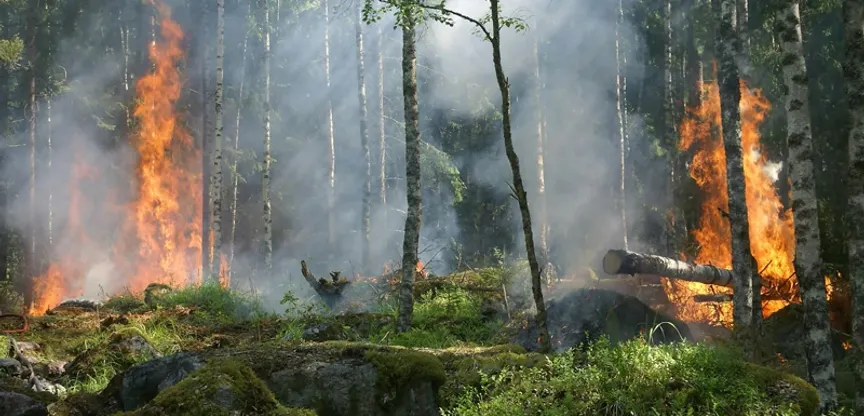
As wildfire risk becomes an increasingly real concern for Central Texas communities, residents across Austin and Travis County are being invited to take part in shaping the region’s next Community Wildfire Protection Plan (CWPP)—a roadmap that could directly impact neighborhood safety, evacuation planning, and long-term property protection.
The Austin-Travis County Wildfire Coalition is entering the final phase of updating its CWPP and is hosting two public meetings on April 8 and April 9 to gather input from residents before the plan is finalized. For homeowners, families, and local businesses, this is an opportunity to influence how wildfire risks are managed in their own neighborhoods.
Why the CWPP Matters for Austin and Travis County Residents
Wildfires are no longer limited to rural or heavily forested areas. In recent years, growth along the wildland-urban interface (WUI)—where homes and development meet natural vegetation—has increased vulnerability across Central Texas, including parts of western Travis County and expanding eastern communities.
According to the Texas A&M Forest Service, Texas experiences hundreds of wildfires annually, with more than 90% caused by human activity. These fires can spread quickly, especially during drought conditions and high winds, putting homes, infrastructure, and lives at risk.
The CWPP is designed to address these realities by:
- Identifying high-risk wildfire areas across Travis County
- Prioritizing funding for mitigation and prevention efforts
- Recommending strategies for reducing hazardous vegetation (fuels)
- Providing guidance for evacuation routes and emergency response
- Offering homeowners practical steps to reduce risk on their own properties
For residents, this plan is not just policy—it directly influences insurance considerations, property values, emergency preparedness, and neighborhood safety.
Final Public Meetings Scheduled Across Travis County
To ensure community-wide participation, the Coalition is hosting two public meetings in accessible locations on both sides of the county:
East Travis County Meeting
April 8, 2026 | 6:00–8:00 p.m.
Del Valle Early College High School Cafeteria, 4715 Ross Rd., Del Valle, TX
West Travis County Meeting
April 9, 2026 | 6:00–8:00 p.m.
St. Luke’s on the Lake Episcopal Church, 5600 RR 620 N, Austin, TX
These sessions will include:
- An overview of wildfire risks in Austin and Travis County
- Insights from wildfire and emergency management experts
- Opportunities for residents to share feedback and concerns
Community members are encouraged to register in advance at publicinput.com/cwpprsvp to help organizers plan for attendance.
Community Input: A Critical Piece of Wildfire Preparedness
One of the most important aspects of the CWPP update is direct community input. Residents can also complete a public survey at publicinput.com/cwpp, which helps the Coalition better understand local concerns, priorities, and on-the-ground conditions.
Officials recommend taking the survey before attending a meeting, allowing participants to come prepared with more informed feedback.
Plans like the CWPP are updated on a 10-year cycle, meaning the decisions made now will help guide wildfire preparedness strategies for the next decade. That includes how resources are allocated, where mitigation projects occur, and how evacuation planning evolves as the region grows.
What This Means for Neighborhoods Across Greater Austin
For many Austin-area neighborhoods—especially those near greenbelts, wooded areas, or rapidly developing outskirts—wildfire planning is becoming part of everyday community resilience.
Simple homeowner actions, such as clearing dry vegetation, maintaining defensible space, and using fire-resistant landscaping, can significantly reduce risk. The National Fire Protection Association (NFPA) notes that homes with defensible space and fire-resistant materials are far more likely to survive a wildfire.
By participating in the CWPP process, residents can help ensure:
- Local evacuation routes are realistic and well-planned
- Emergency response resources are prioritized where needed most
- Community education efforts reflect real neighborhood concerns
- Future development considers wildfire risk mitigation
What Happens Next
Following the April meetings and survey feedback, the Austin-Travis County Wildfire Coalition will finalize the updated CWPP, incorporating community input alongside expert analysis and current wildfire data.
The completed plan will guide policymakers, emergency responders, and local leaders in making decisions that affect public safety, infrastructure planning, and long-term resilience across Travis County.
Residents interested in learning more about wildfire preparedness or the CWPP update process can visit wildfirecoalition.org for additional resources and background information.
As Austin continues to grow and evolve, so too does the importance of proactive planning. For many residents, these meetings represent more than a presentation—they are a chance to help shape how their community prepares for one of Central Texas’ most pressing natural risks.
Stay connected with My Neighborhood News for continued updates on community safety initiatives and local engagement opportunities across Austin and Travis County.

 Tiffany Krenek has been on the My Neighborhood News team since August 2021. She is passionate about curating and sharing content that enriches the lives of our readers in a personal, meaningful way. A loving mother and wife, Tiffany and her family live in the West Houston/Cypress region.
Local business spotlight
Grow your business
where trust already lives.
Let’s introduce your business to the neighbors nearby.
Have a local favorite?
Let’s make an introduction.
Leave your email and our team will reach out with ways to promote your business.
Give a local favorite a little love.
Know a business your neighbors should discover? Tell us who they are.
We couldn’t send that just yet. Please try again.