







Texas Wildflower Forecast 2026: What to Expect This Spring and How to Experience It at the Lady Bird Johnson Wildflower Center
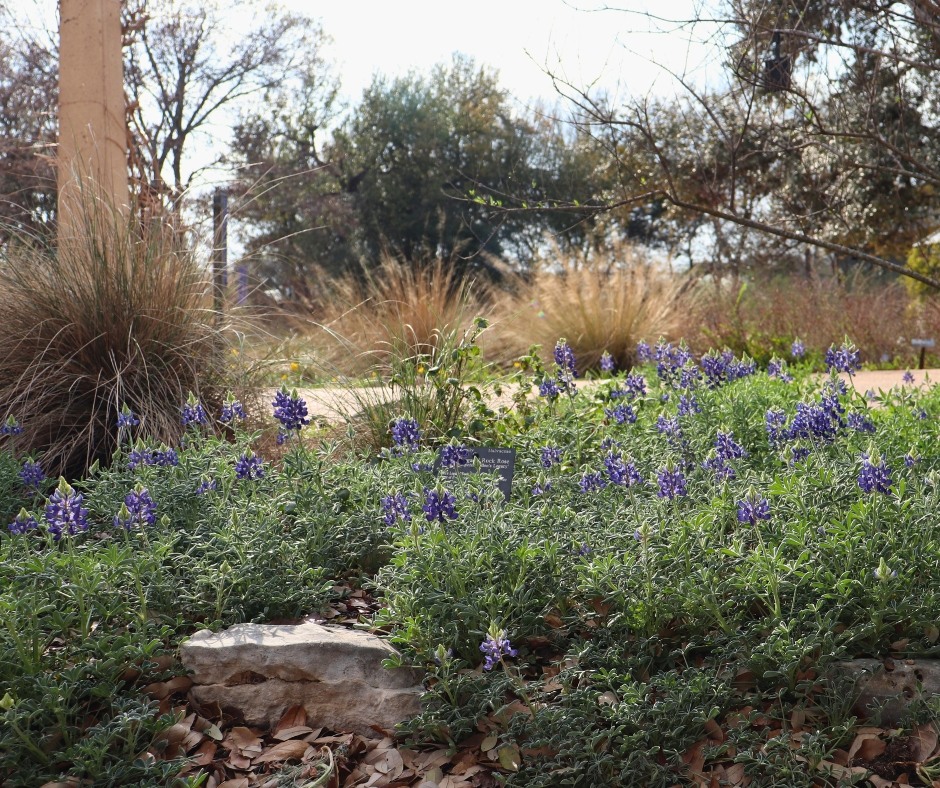
For many Texans, spring means one thing: wildflower season. From roadside bluebonnets to fields of vibrant blooms across Central Texas, wildflowers are part of the state’s cultural identity. But according to native plant experts at the Lady Bird Johnson Wildflower Center in Austin, the 2026 Texas wildflower forecast suggests this year’s display may look a little different depending on where you live.
Uneven rainfall across the Southwest and ongoing drought conditions in parts of Texas are expected to create a varied wildflower season, with blooms appearing at different intensities across the state. While some areas may see lighter early-spring displays, later-blooming wildflowers could thrive if spring rains return.
“In a state as geographically vast and varied as Texas, it’s rare that we can make a forecast that suits the whole state,” said Andrea DeLong-Amaya, horticulture educator at the Lady Bird Johnson Wildflower Center. “We have wild fluctuations in weather and lots of microclimate scenarios, and this year’s bloom season will be just as varied as that.”
Microclimates May Shape the 2026 Texas Wildflower Season
One factor influencing this year’s blooms is the role of microclimates—small pockets of environmental conditions that affect how plants grow and flower.
“We’ve all seen spots where plants seem to be thriving in an otherwise not-so-hospitable landscape,” said Kyle Cheesborough, the Wildflower Center’s director of gardens and collections. “This could be the result of microclimates created via irrigation practices, ambient heat from hardscapes, and other cultural maintenance practices.”
These microclimates don’t just occur in natural landscapes. Residential yards and gardens can also act as microclimates depending on irrigation habits, shade from trees, and soil conditions.
According to Cheesborough, similar environmental differences happen throughout Texas landscapes, which can influence where wildflowers flourish from year to year.
Early Bluebonnets May Be Sparse — But Later Wildflowers Could Shine
While Texas bluebonnets, the state’s most iconic wildflower, may appear more scattered early in the season, other species could take center stage later in the spring.
If rainfall increases during the coming months, later-blooming wildflowers like firewheel (Gaillardia pulchella) and purple horsemint (Monarda citriodora) may produce stronger displays across parts of Texas.
“We may just have to look a little harder for bluebonnets on the side of the road this year in many locales,” DeLong-Amaya said. “We’re hopeful for more spring rain to bring out the later-blooming flowers. Bluebonnets are great, but the show gets even better as the spring season progresses.”
And even in years when conditions are unpredictable, experts emphasize that wildflowers always find a way to bloom somewhere in Texas.
“I’ve never seen a year where nothing is blooming,” DeLong-Amaya said. “That just doesn’t happen. We can always expect some spring wildflowers.”
Carolina Jessamine Named 2026 Wildflower of the Year
Alongside the seasonal forecast, the Wildflower Center also announced Carolina jessamine (Gelsemium sempervirens)as the 2026 Wildflower of the Year.
This evergreen vine, which can grow up to 20 feet long, produces clusters of fragrant yellow flowers and is known for its reliability in Texas landscapes. Its adaptability to a wide range of soils and light conditions—and its importance as a food source for pollinators—helped earn it the designation.
The plant is already blooming in many areas, offering a bright early-season display and a reminder that wildflower season extends well beyond the familiar bluebonnet fields.
A Reliable Place to See Wildflowers: The Lady Bird Johnson Wildflower Center
For those hoping to capture the perfect Texas wildflower photos this spring, experts say there’s one dependable destination.
Located at 4801 La Crosse Avenue in Austin, the Lady Bird Johnson Wildflower Center is the State Botanic Garden and Arboretum of Texas, welcoming more than 276,000 visitors each year to its 284 acres of gardens, trails and exhibitions.
Within its curated landscapes, visitors can experience blooming native plants throughout the season thanks to the ongoing work of horticulturists and volunteers who cultivate and maintain Texas-native species year-round.
The center operates as a fully self-funded unit of The University of Texas at Austin, supporting research, conservation and education initiatives including a native seed bank, a comprehensive North American native plant database, and collaborative scientific programs.
The institution also carries forward the environmental legacy of former First Lady Lady Bird Johnson, whose lifelong commitment to conservation helped inspire the creation of the center and the nationwide appreciation for native landscapes.
Discovery Day: Texas Celebrates Nature, Wildlife and Culture
Families looking for a hands-on way to experience Texas nature can also visit the Wildflower Center this weekend during Discovery Day: Texas, a family-friendly event taking place Sunday, March 15 from 10 a.m. to 2 p.m.
Included with regular garden admission, the event invites visitors of all ages to explore Texas landscapes, wildlife and cultural traditions through live demonstrations, guided programs and interactive activities.
Scheduled highlights include:
Walks, Talks and Demonstrations
- 10:15 a.m. — Bird of Prey Demonstration with Ed Sones of Austin Area Wildlife Rehabilitation
- 11:10 a.m. — Walk and Talk: Texas Favorite Plants, a guided exploration through the gardens
- 11:30 a.m. — Native American Cultural Center Dance Performance
Ongoing activities from 10 a.m. to 2 p.m. will feature educational stations and hands-on experiences hosted by partners including the Austin Fire Department’s Wildfire Division, Texas Parks and Wildlife Department, Capital Area Master Naturalists, the Native Plant Society of Texas, Austin Animal Protection, and the Bullock Texas State History Museum.
The event aims to help visitors better understand the ecosystems, conservation efforts and wildlife that shape the Lone Star State.
A Season Worth Exploring Across Texas
While the 2026 Texas wildflower season may vary by region, experts say the diversity of Texas landscapes means beautiful blooms are still likely to appear somewhere across the state.
From roadside patches to carefully cultivated gardens, wildflowers remain one of Texas’ most beloved natural traditions.
For residents planning weekend outings, road trips, or family photos this spring, the message from native plant experts is simple: keep looking, stay curious, and enjoy the evolving beauty of the Texas landscape.
Stay tuned to My Neighborhood News for more community updates, seasonal events, and nature experiences across Central Texas.

 Tiffany Krenek has been on the My Neighborhood News team since August 2021. She is passionate about curating and sharing content that enriches the lives of our readers in a personal, meaningful way. A loving mother and wife, Tiffany and her family live in the West Houston/Cypress region.