







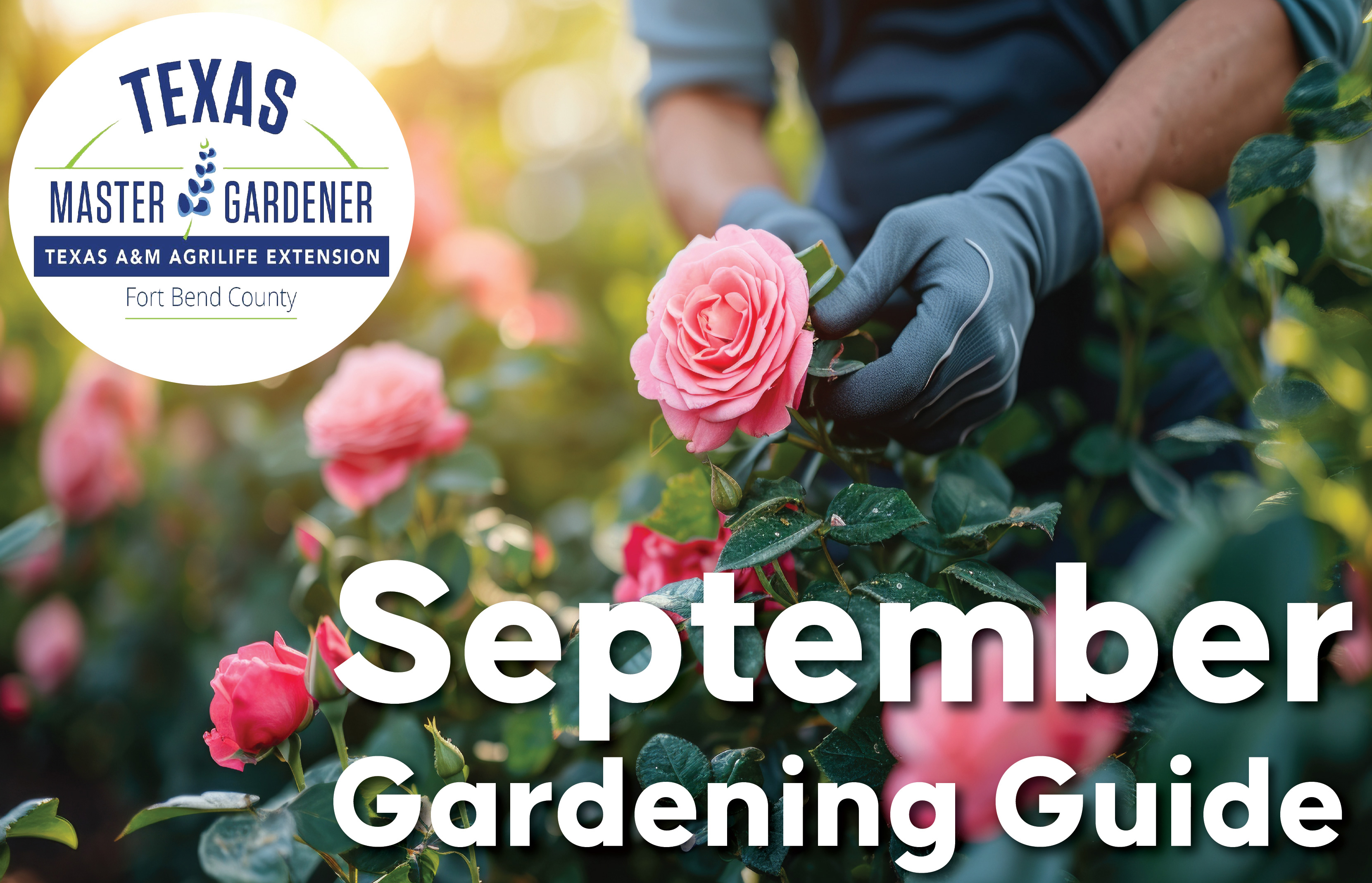
September Gardening in Fulshear: What Fort Bend County Residents Should Plant, Prune and Prepare for Fall
For gardeners in Fulshear, September is one of those months when the calendar says fall is coming even if the afternoon temperature has other ideas.
But beneath the lingering heat, the gardening season is beginning to shift. Fort Bend County residents can use September to start fall vegetable gardens, add trees and shrubs, prepare wildflower beds, refresh lawns and make a few changes to watering routines as plants gradually need less irrigation.
Guidance from the Fort Bend County Master Gardeners and Texas A&M AgriLife Extension Service also makes one thing clear: some of the best fall gardening results begin before cooler weather actually arrives.
September Starts Fort Bend County’s Fall Gardening Transition
September is less about putting the garden to bed and more about giving it a second wind.
Trees, shrubs and perennial herbs can be planted as temperatures begin trending downward, giving their roots time to establish before winter and positioning them for stronger growth next spring.
Gardeners can also plant ornamental grasses, including cool-season choices such as Inland Sea Oats and Mexican Feathergrass, while preparing beds now for wildflower seeds that will be planted later in the fall.
For homeowners considering a new shade tree, the Fort Bend Master Gardeners recommend paying close attention to location. A tree that looks small at the nursery may eventually develop a much broader root system and canopy, making proper distance from homes, foundations and other structures an important part of the decision.
September is also a good time to plant spring-blooming annuals from seed, including larkspur and poppies, and to begin cool-season flowers that can bring color back to local yards once summer annuals start fading.
Fall Vegetable Gardening Starts Now
Residents dreaming about fresh radishes, green beans, lettuce, spinach and other cool-season produce should not wait until it feels cold outside to begin planning.
Fort Bend County Master Gardener Lauren Martin, who has taught the organization’s Grow Your Own program on cool-season vegetables and herbs, recommends starting with the basics: location, sunlight, soil and water.
A productive vegetable garden generally needs at least six hours of direct sunlight, well-drained soil and convenient access to water. It should also be placed away from trees and large shrubs that can compete with vegetables for moisture and nutrients.
Garden soil should ideally be tested before planting so homeowners know what nutrients are actually needed rather than fertilizing by guesswork. Texas A&M’s Soil, Water and Forage Testing Laboratory provides soil-testing resources for residents who want a clearer picture of their garden’s condition.
Fort Bend County lies within USDA Plant Hardiness Zone 9b, giving local gardeners a long growing season but making planting timing especially important.
Vegetables that can be considered for fall include potatoes, bush-type green beans, lima beans, edible-pod peas and fall squash.
Green beans prefer full sun and fertile, well-drained soil. For bush beans, Martin recommends planting seeds about one inch deep and two to three inches apart, with rows roughly two feet apart. Pods are best harvested while they are still young and tender.
Vegetable seeds can go into the garden now, while transplants often become a better option later in September and into October.
That distinction matters in Fulshear, where September heat can still be hard on newly transplanted vegetables.
Radishes Can Bring One of Fall’s Quickest Harvests
Gardeners looking for relatively fast results may want to make room for radishes.
Some varieties can go from seed to harvest in roughly three weeks under favorable conditions, making them an approachable fall crop for families, beginning gardeners and anyone who enjoys seeing quick progress.
Mid-fall is an especially good time for radish and Daikon seeds, while October brings additional planting opportunities.
Late October is a good window for onions and garlic, generally spaced about four to six inches apart. Turnips and mustard greens can also be started in October.
Anyone buying vegetable seeds should check the packet or supplier information for germination temperature, planting depth, spacing, thinning and expected maturity date. Seeds are widely available through local nurseries, feed stores, garden centers, major retailers and online suppliers.
Residents can also start their own seedlings for later transplanting by using seed-starting mix and appropriately sized containers. Consistent moisture is important, but small seedlings are better watered gently with a mister rather than a heavy stream that can disturb the growing medium.

Rosemary, Parsley, Sage and Mint Fit the Fall Garden
Vegetables are only part of the September gardening opportunity.
Rosemary, parsley, sage and mint are among the herbs Fort Bend County residents can consider for the cooler growing season.
Perennial herbs can particularly benefit from fall planting because their roots have time to become established before the stress of another Texas summer.
The Fort Bend County Master Gardeners and Texas A&M AgriLife Extension Service jointly offer the Grow Your Own educational series, which focuses on creating productive edible gardens in Fort Bend County, including what to plant, when to plant it and how to manage year-round food production.
September Is Also a Good Month to Plant Trees and Shrubs
Fall is widely considered one of the better times to establish woody plants in Southeast Texas.
Planting trees and shrubs as temperatures moderate gives them months to develop roots before the return of intense summer heat. That can make the establishment period less stressful and reduce the amount of supplemental watering required compared with a midsummer planting.
Residents considering a tree should think beyond what it looks like today and consider its mature size, root spread, sun requirements and proximity to foundations, sidewalks, fences, utilities and neighboring property.
For homeowners with smaller landscapes, one option highlighted by the Fort Bend Master Gardeners is dwarf pomegranate. The compact perennial shrub produces red-orange flowers from spring through fall and can develop yellow foliage later in the year.
American Beautyberry is another locally appropriate option. The Texas native produces small flowers followed by clusters of distinctive purple berries that provide seasonal interest and food for birds.
Fall asters can also bring purple blooms, while fall zinnias provide yellows, oranges and reds during a time when many summer plants are beginning to decline.
Strawberries Have Their Own Fort Bend County Fall Window
Late September through early October is considered an ideal time to plant strawberries in this area.
One option is the Texas Superstar Festival strawberry, which can produce approximately 1.5 pounds of fruit per plant under favorable growing conditions.
Festival strawberries perform best in full sun and typically grow about eight to 10 inches tall and wide. Raised beds and containers can work especially well, and the variety has resistance to downy mildew.
Although the plants can tolerate freezing conditions, protection may be needed during unusually severe cold.
For Fort Bend County families interested in edible gardening, strawberries can be a particularly rewarding addition because they fit easily into smaller yards and container gardens.
Hummingbirds Are Moving Through Fort Bend County
September also brings activity overhead and into backyard gardens.
Migrating hummingbirds pass through the region during this part of the year, making flowering landscapes especially useful for homeowners interested in attracting and supporting them.
Native and adapted flowering plants can provide nectar while also adding color to fall landscapes.
American Beautyberry offers another wildlife benefit later in the season as birds feed on its berries, while fall asters are attractive to butterflies.
These plant choices can help turn an ordinary flower bed into a small piece of habitat — something that can be especially valuable as Fort Bend County continues to grow and natural spaces become more fragmented.
Your Lawn May Need Less Water — But More Attention
September is also a good time to reconsider irrigation.
As temperatures gradually decline, landscapes generally require less supplemental water. Fort Bend Master Gardener guidance suggests adjusting irrigation systems toward roughly one-half inch of water per week when rainfall is insufficient.
That does not mean every lawn should receive water on the same schedule. Soil type, shade, grass variety, recent rainfall and drainage all influence how quickly a yard dries out.
The goal is to water deeply enough to encourage healthy roots without keeping the soil constantly wet.
That becomes particularly important because fall is also when St. Augustine lawns can begin showing symptoms of large patch, a fungal turf disease that often appears as broad circular areas of brown grass.
September is also a peak period for fall webworms, another seasonal pest residents may notice in trees.
Homeowners who see something unusual spreading through a lawn or landscape may be better served by identifying the problem before reaching for fertilizer, fungicide or insecticide.
Filling Bare Lawn Areas? Fix the Cause First
Slightly cooler weather can make September a useful time to repair bare areas of turf, but the Fort Bend Master Gardeners recommend figuring out why the grass disappeared before replacing it.
Drainage, shade, insects, disease, soil compaction, pet traffic and irrigation problems can all contribute to thinning turf. New grass placed over an unresolved problem may simply fail again.
Once the underlying issue is addressed, residents can install new sod or seed where appropriate and provide additional water while roots become established.
Suggested watering during establishment includes approximately one-third inch per day for the first week when rainfall is absent, followed by about one-third inch every other day for another week and then roughly one-half inch twice weekly for the next several weeks.
Conditions vary from yard to yard, so homeowners should adjust based on rainfall and soil moisture rather than watering automatically.

Roses, Hedges and Crowded Bulbs Can Use September Attention
Residents with repeat-blooming roses can still trim them this month if they did not do so in August. A fall feeding can also help support the plants before their final major bloom period of the year.
Late September is a convenient time to shear established hedges, allowing plants time to recover before winter while also making the work a little more comfortable for gardeners.
Crowded spring-blooming plants such as daylilies and bearded iris can also be divided.
Besides helping improve plant vigor, dividing mature plants often leaves homeowners with extras to relocate elsewhere in the yard — or share with a neighbor.
For a community like Fulshear, that simple exchange of plants is one of gardening’s quieter traditions: one established bed can eventually become part of several yards on the same street.
Who Are the Fort Bend Master Gardeners?
The Fort Bend County Master Gardeners are trained volunteers who work with Texas A&M AgriLife Extension Service to provide residents with research-based horticultural information.
Master Gardeners receive extensive horticultural training before serving the public and must continue completing volunteer service and education requirements to maintain certification. Their community work includes answering gardening questions, presenting educational programs, working in demonstration gardens, teaching children and supporting community gardens.
The organization also offers free services to Fort Bend County residents, including Ask a Master Gardener, speakers for adult and youth programs, educational booths and group garden tours.
Residents looking for landscaping ideas can visit the Fort Bend Master Gardeners’ demonstration gardens, which showcase plants and techniques suited to the area.
Texas A&M AgriLife Brings Research Into Local Backyards
Texas A&M AgriLife Extension Service has provided science-based education to Texans for more than a century and today maintains a statewide network of educators, volunteers and county offices. Its programs connect university research in agriculture, natural resources, horticulture, health and other fields with practical information residents can use at home and in their communities.
In Fort Bend County, AgriLife Extension provides educational resources from both Texas A&M University and Prairie View A&M University and supports programs ranging from horticulture and agriculture to 4-H, family and community health, Master Gardeners and Master Naturalists.
Its local horticulture program specifically promotes research-based gardening and landscaping practices while helping residents conserve water and other natural resources.
For local gardeners, that means advice is built around conditions they actually encounter in Fort Bend County rather than generic gardening calendars written for another part of the country.
What Fort Bend County Gardeners Can Do This September
September does not require homeowners to tackle everything at once.
A resident with a vegetable garden might concentrate on beans, radishes and preparing for October crops. Someone focused on landscaping could plant a tree or shrub. Another homeowner might simply adjust the sprinkler system, inspect the lawn for disease and clean out a future wildflower bed.
Taken one project at a time, those relatively small jobs can make a noticeable difference by the time cooler weather arrives.
And after another long Gulf Coast summer, spending a September morning preparing a garden for fall may be one of the more welcome signs that the seasons are finally beginning to change.
Residents can find additional Fort Bend County gardening resources, planting guides, classes and demonstration garden information through the Fort Bend County Master Gardeners and Texas A&M AgriLife Extension Service in Fort Bend County.
Stay tuned to My Neighborhood News for more seasonal gardening guidance, Fort Bend County community resources and practical information for homeowners throughout the year.

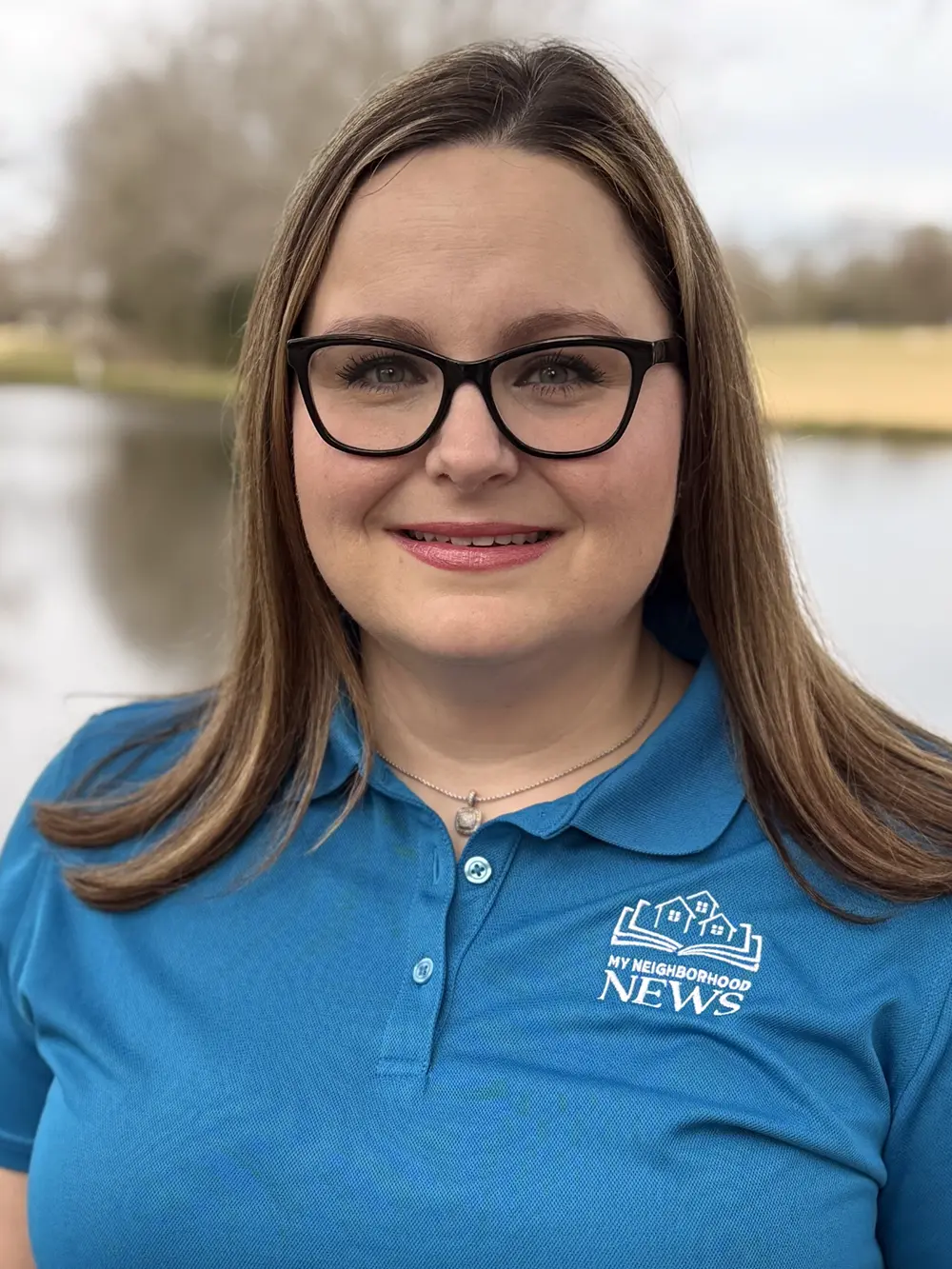 Tiffany Krenek has been on the My Neighborhood News team since August 2021. She is passionate about curating and sharing content that enriches the lives of our readers in a personal, meaningful way. A loving mother and wife, Tiffany and her family live in the West Houston/Cypress region.
Do you own a business?