







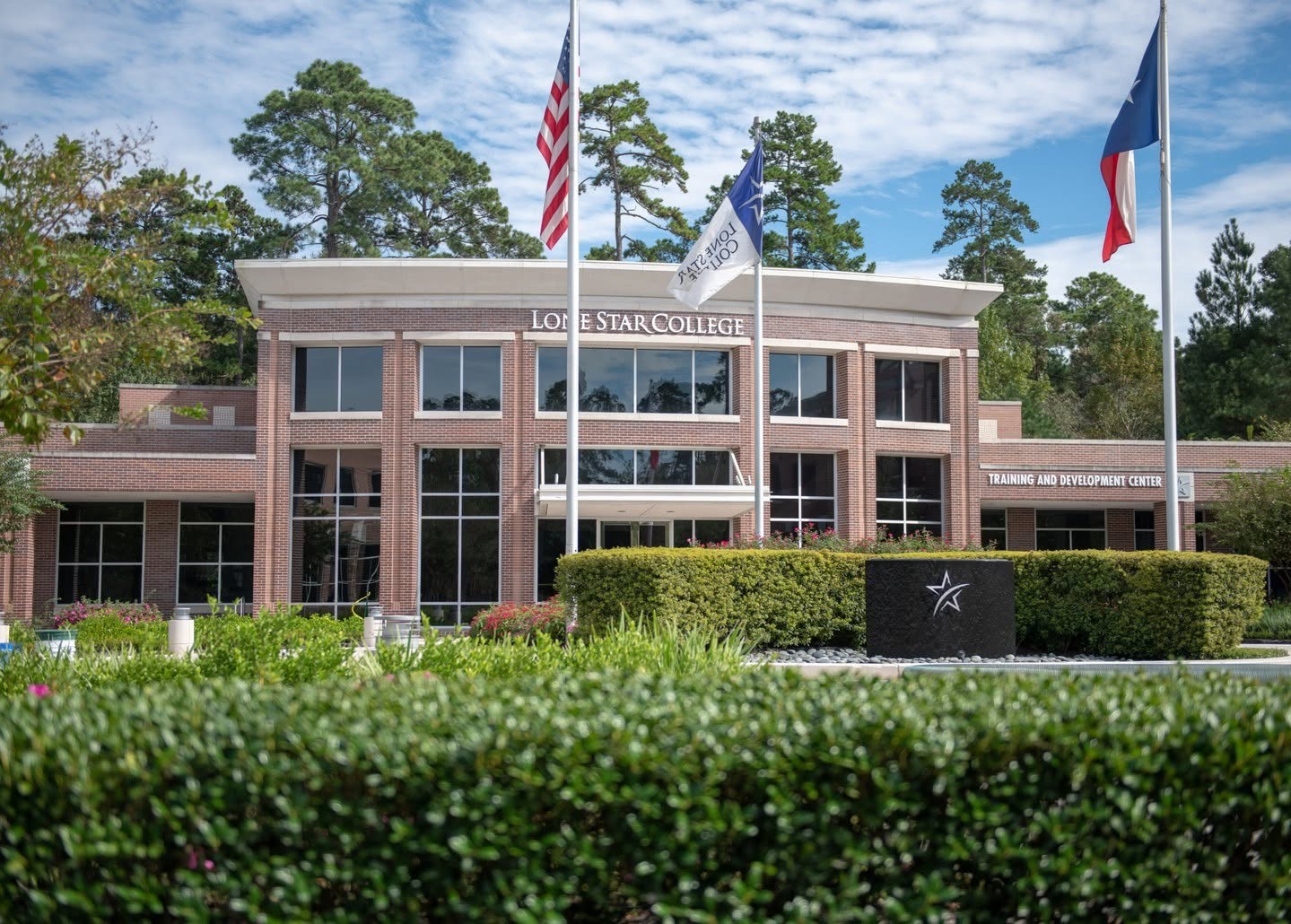
Lone Star College Tax Rate Hearing Set for Oct. 1 as Enrollment Tops 100,000 Students
For homeowners and other property taxpayers across the Lone Star College System service area, an Oct. 1 public hearing will offer a chance to hear more about how the college system plans to fund another year of operations at a time when enrollment has reached a historic high.
The Lone Star College System Board of Trustees will hold a public hearing on the proposed 2026 property tax rate, followed by its regular board meeting, at 10:30 a.m. Thursday, Oct. 1. Residents can participate either in person at Lone Star College-University Park or remotely through Zoom.
The hearing comes as Lone Star College System, commonly known as LSCS, begins a new fiscal year with a $577.5 million budget and more than 100,000 students enrolled across the Houston region.
For taxpayers, students, families and local employers, the discussion brings together two closely connected issues: what residents pay to support the community college system and how those dollars are used to provide education, workforce training and student services across one of the country's largest community college systems.
What is Lone Star College System's proposed 2026 tax rate?
Lone Star College System has published a proposed total property tax rate of $0.1058 per $100 of taxable property value for tax year 2026. The proposed rate includes $0.0839 for maintenance and operations and $0.0219 for debt service.
That total rate is slightly below the 2025 LSCS property tax rate of $0.1060 per $100 of taxable value. However, the maintenance and operations portion of the rate would increase from $0.0785 to $0.0839.
According to the college system's official taxpayer information, the proposal would raise more maintenance and operations tax revenue than last year's rate. LSCS states that the maintenance and operations portion would effectively increase by 7.98%, adding approximately $5.40 in maintenance and operations taxes for each $100,000 of taxable home value under the calculation published by the system.
A property's actual Lone Star College tax bill depends on its taxable value and applicable exemptions, so a lower overall tax rate does not necessarily mean every property owner will see a lower bill.
LSCS offers a homestead exemption equal to $5,000 or 8% of a home's market value, whichever is greater. The system also lists a $75,000 exemption for qualifying homeowners age 65 or older and for people with disabilities.
Why the Lone Star College tax discussion matters this year
The timing is notable because Lone Star College is serving more students than at any point in its history.
Fall 2026 enrollment reached 100,023 students, surpassing 100,000 for the first time. That is a considerable change from the 613 students who attended when the college system began in 1972. Today, LSCS operates more than 20 locations and offers more than 200 degree and certificate programs.
That growth means decisions about property taxes and spending reach well beyond college classrooms.
Lone Star College provides university-transfer courses as well as career and technical education designed for fields that support the Greater Houston workforce. Its students include recent high school graduates, working adults, parents, veterans, international students and residents returning to school for new skills or career changes.
For families trying to manage the cost of higher education, affordability remains an important piece of that mission. Earlier this year, trustees approved an in-district tuition rate of $111 per credit hour for the 2026-27 academic year, keeping the rate unchanged from 2024-25.

Local property taxes are a major part of Lone Star College funding
Property taxes play a substantial role in paying for the system.
Lone Star College's FY 2027 budget totals $577.5 million. The college anticipates approximately $263 million in local tax revenue, along with $118 million in state funding, $162 million in student revenue and $34.5 million from other sources.
The approved budget includes 2% across-the-board compensation increases for eligible full-time employees, certain part-time employees and adjunct faculty. College officials have also said the budget is balanced without relying on cash reserves.
LSCS's taxpayer information shows maintenance and operations property tax revenue budgeted at $263 million for FY 2027, up from $244.5 million in FY 2026. Debt service property tax revenue is budgeted at $93.2 million, down from $104.7 million.
Those numbers help explain why the Oct. 1 Lone Star College property tax hearing is more than a procedural step. It is one of the opportunities residents have to see how local tax policy connects with the cost of educating a rapidly growing student population.
How residents can attend the Oct. 1 Lone Star College Board meeting
The public hearing and regular Lone Star College System Board of Trustees meeting will begin at 10:30 a.m. Thursday, Oct. 1, 2026, at:
Lone Star College-University Park
Commons Grand Hall
20515 SH 249, Houston, TX 77070
The Oct. 1 meeting date and location are also listed on Lone Star College System's official Board of Trustees meeting schedule.
Residents may attend in person or participate through Zoom.
Those joining remotely must register with their name and email address. The Zoom meeting uses Meeting ID 827 6128 0653 and Passcode 999845.
Residents who want to formally address the Board of Trustees must complete Lone Star College System's citizen participation registration form no later than 10:25 a.m. on Oct. 1.
People participating through Zoom should provide an email address on the form so the college can send participation instructions. During the public comment portion, remote speakers will be announced and unmuted by the meeting host. In-person speakers will be called to address trustees from the podium.
The board agenda is scheduled to be posted at LoneStar.edu/Board three business days before the meeting.
A growing college system with a growing community role
Lone Star College's expansion mirrors decades of population and economic growth across the northern Houston region.
The system now includes eight main campuses and more than 20 locations, providing academic transfer programs, workforce credentials and other educational pathways for communities stretching across the Greater Houston area. LSCS describes financial resilience, academic excellence, talent development and "bridges to prosperity" as the four priorities of its current strategic plan.
That community role is part of what makes the tax-rate discussion relevant even for residents who do not currently have a student enrolled at Lone Star College. Community colleges help educate future nurses, technicians, first responders, business professionals and skilled workers while also giving local students a more affordable starting point toward bachelor's degrees.
On Oct. 1, taxpayers will have an opportunity to hear how Lone Star College plans to balance those responsibilities with the financial impact on the residents and businesses that help fund the system.
Residents interested in the proposed Lone Star College System tax rate, the FY 2027 budget or other items before trustees can review meeting materials through the LSCS Board of Trustees website as they become available.
Stay tuned to My Neighborhood News for updates on the Lone Star College System tax rate, Board of Trustees decisions and other developments affecting local students, families and taxpayers.

 Tiffany Krenek has been on the My Neighborhood News team since August 2021. She is passionate about curating and sharing content that enriches the lives of our readers in a personal, meaningful way. A loving mother and wife, Tiffany and her family live in the West Houston/Cypress region.
Local business spotlight
Grow your business
where trust already lives.
Let’s introduce your business to the neighbors nearby.
Have a local favorite?
Let’s make an introduction.
Leave your email and our team will reach out with ways to promote your business.
Give a local favorite a little love.
Know a business your neighbors should discover? Tell us who they are.
We couldn’t send that just yet. Please try again.