








Lakemont Residents Urged to Take Simple Steps Ahead of Spring Storm Season to Protect Homes and Streets
As spring weather patterns bring heavier rains and stronger storms across the Greater Houston area, Lakemont residents are being reminded that what happens on their own curb can directly impact the safety and condition of the entire neighborhood.
Lakemont MUD Districts serving Lakemont are encouraging residents to take a proactive role in storm and drain readiness, emphasizing that small, everyday actions can make a meaningful difference in preventing street flooding, protecting homes, and maintaining safe roadways.
For homeowners, families, and drivers throughout Lakemont, the message is simple: preparation doesn’t just happen at the infrastructure level—it starts at home.
Why Storm Drain Maintenance Matters in Lakemont
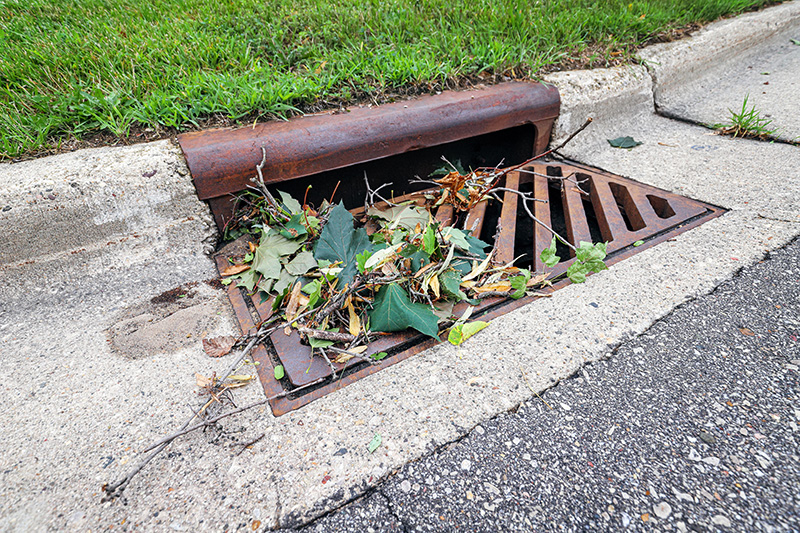
Storm drains are a critical part of neighborhood infrastructure, designed to move rainfall away from streets, sidewalks, and homes. But when those systems are blocked, even a typical rain event can quickly turn into standing water, reduced visibility, and localized flooding.
According to the Federal Emergency Management Agency (FEMA), urban flooding is often intensified not just by heavy rainfall, but by clogged drainage systems that prevent water from flowing as designed. In fact, FEMA notes that even minor blockages in stormwater systems can significantly increase flood risk in residential areas, particularly in fast-growing regions like Fort Bend County.
That reality hits close to home in communities like Lakemont, where continued development and seasonal storms place increasing demand on drainage systems.
Simple Steps Residents Can Take Before and After Storms
Lakemont MUDs are asking residents to focus on a few practical actions that can help keep drainage systems functioning properly:
Keep Storm Drains Clear
One of the most effective ways to reduce neighborhood flooding starts right at the curb.
Residents are encouraged to:
- Clear leaves, trash, and debris from storm drain inlets near their homes
- Avoid blowing grass clippings or yard waste into the street
- Report blocked or damaged drains, especially when standing water does not recede
When storm drains are unobstructed, water can move efficiently through the system—helping prevent backups that impact entire streets.
Prepare for High Winds and Debris
Spring storms in Southeast Texas often bring strong winds, which can quickly turn unsecured items into hazards.
To reduce risk:
- Secure trash bins and lightweight outdoor furniture before storms
- Remove branches, litter, and debris after storms
- Keep sidewalks and street edges clear to maintain visibility and safety
Loose debris not only creates safety concerns but can also wash into storm drains, contributing to blockages during the next rainfall.
Know When to Report a Problem
While routine maintenance helps, some drainage issues require additional attention.
Residents should report:
- Street flooding that lingers for hours after rainfall
- Repeated pooling in the same location after storms
- Signs of infrastructure damage such as sinkholes, exposed pipes, or erosion
These issues may indicate underlying drainage or grading concerns that require evaluation beyond routine cleanup.

The Bigger Picture: Community-Wide Impact
Stormwater management is not just a municipal responsibility—it’s a shared effort between infrastructure systems and the people who live alongside them.
The Environmental Protection Agency (EPA) highlights that community participation plays a key role in effective stormwater management, noting that preventing debris from entering drainage systems helps reduce flooding, protect water quality, and extend the lifespan of public infrastructure.
In neighborhoods like Lakemont, where homes, roads, and drainage systems are closely interconnected, one blocked drain can affect multiple households. Conversely, one cleared drain can help protect an entire block.
What This Means for Lakemont Residents
For many residents, storm preparedness often focuses on roofs, fences, and emergency supplies. But local leaders are encouraging a broader view—one that includes the street just outside their front door.
Taking a few minutes before and after a storm to clear debris, secure loose items, and report concerns can:
- Reduce the risk of localized flooding
- Improve roadway safety during storms
- Help protect property values
- Support long-term infrastructure performance
For the Lakemont community, these small, consistent efforts contribute to a stronger, more resilient neighborhood.
What Happens Next
With peak storm season approaching, Lakemont MUDs will continue monitoring drainage systems and addressing reported concerns. Residents are encouraged to stay aware, stay prepared, and report any issues promptly to help ensure the system works as intended when it matters most.
For ongoing updates, seasonal reminders, and local infrastructure insights, Lakemont residents can continue following My Neighborhood News as Lakemont navigates another Texas storm season together.

 Tiffany Krenek has been on the My Neighborhood News team since August 2021. She is passionate about curating and sharing content that enriches the lives of our readers in a personal, meaningful way. A loving mother and wife, Tiffany and her family live in the West Houston/Cypress region.
Local business spotlight
Grow your business
where trust already lives.
Let’s introduce your business to the neighbors nearby.
Have a local favorite?
Let’s make an introduction.
Leave your email and our team will reach out with ways to promote your business.
Give a local favorite a little love.
Know a business your neighbors should discover? Tell us who they are.
We couldn’t send that just yet. Please try again.