







Katy ISD’s Galaxy Girls Take on Food Waste: How Adams Junior High Students Are Turning a Classroom Project Into Community Impact
In homes across Katy, Fulshear and West Houston, food is thrown away every day—not always because it’s unsafe, but often because of a misunderstood date printed on the package. For one group of students at Adams Junior High in Katy ISD, that everyday habit became something worth challenging.
The Galaxy Girls, a Destination Imagination team made up of seven 7th grade students, are working to change how families think about food waste through their Service Learning project, “Food Waste Starts With the Date.” What began as a competition entry has evolved into a community-focused initiative aimed at helping local families save money, reduce waste and better understand what food labels really mean.
Their message is simple but impactful: small changes in awareness can make a meaningful difference—not just in individual households, but across the broader community.
A Student-Led Effort With Real-World Reach
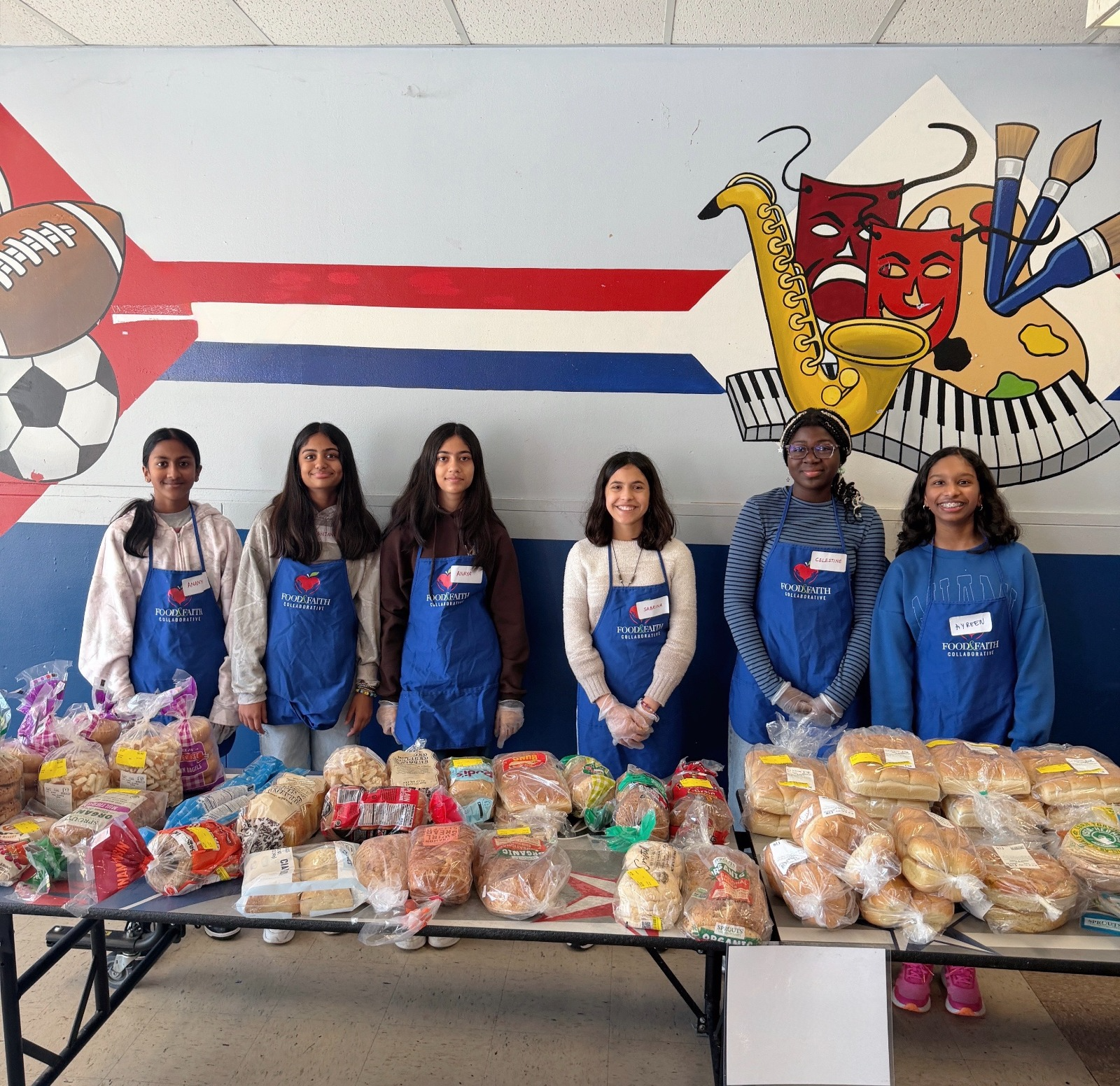
As part of their project, the Galaxy Girls didn’t stop at research. They stepped directly into the community to put their ideas into action.
“We are a group of 7th grade students from Adams Junior High in Katy ISD, and we are part of a Destination Imagination team called Galaxy Girls,” the team shared. “This year, we worked on a Service Learning project called ‘Food Waste Starts With the Date.’ Our goal is to raise awareness about how confusion around expiration dates leads to unnecessary food waste in many homes.”
Through months of work, the students logged more than 60 volunteer hours with Second Servings, helping redirect surplus food to families in need. They also partnered with Youth for Global Health, a student-led nonprofit, to create and publish an educational podcast available on YouTube and Spotify.
Their outreach extended locally as well, hosting a community awareness campaign at Fulshear Library, where more than 50 residents participated.
“At first, this was just a competition project, but as we worked on it and volunteered in our community, we realized how common this issue is and how small changes in awareness can make a big difference,” the team explained.

Why Food Waste Matters to Families in Katy and Beyond
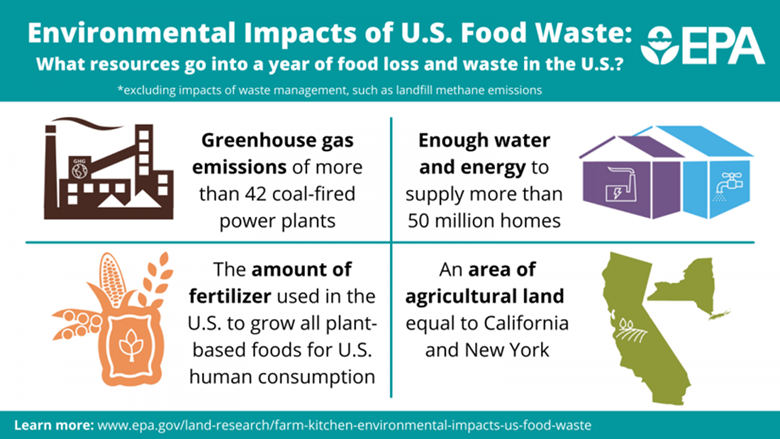
The issue the Galaxy Girls are tackling is larger than many people realize. According to the U.S. Department of Agriculture (USDA), about 30 percent of the U.S. food supply is lost or wasted, much of it at the household level. A significant contributor to that waste is confusion over food date labels.
The USDA clarifies that phrases like “Best if Used By,” “Sell-By,” and “Use-By” are generally indicators of food quality—not safety. In fact, except for infant formula, these dates are not federally required and do not necessarily mean food is unsafe after the listed date.
Research reinforces this misunderstanding. Studies show that 30 to 40 percent of the food supply is wasted in the United States, with at least 75 percent of that waste happening at the retail and consumer level . Much of it is still edible but discarded due to confusion over labeling.
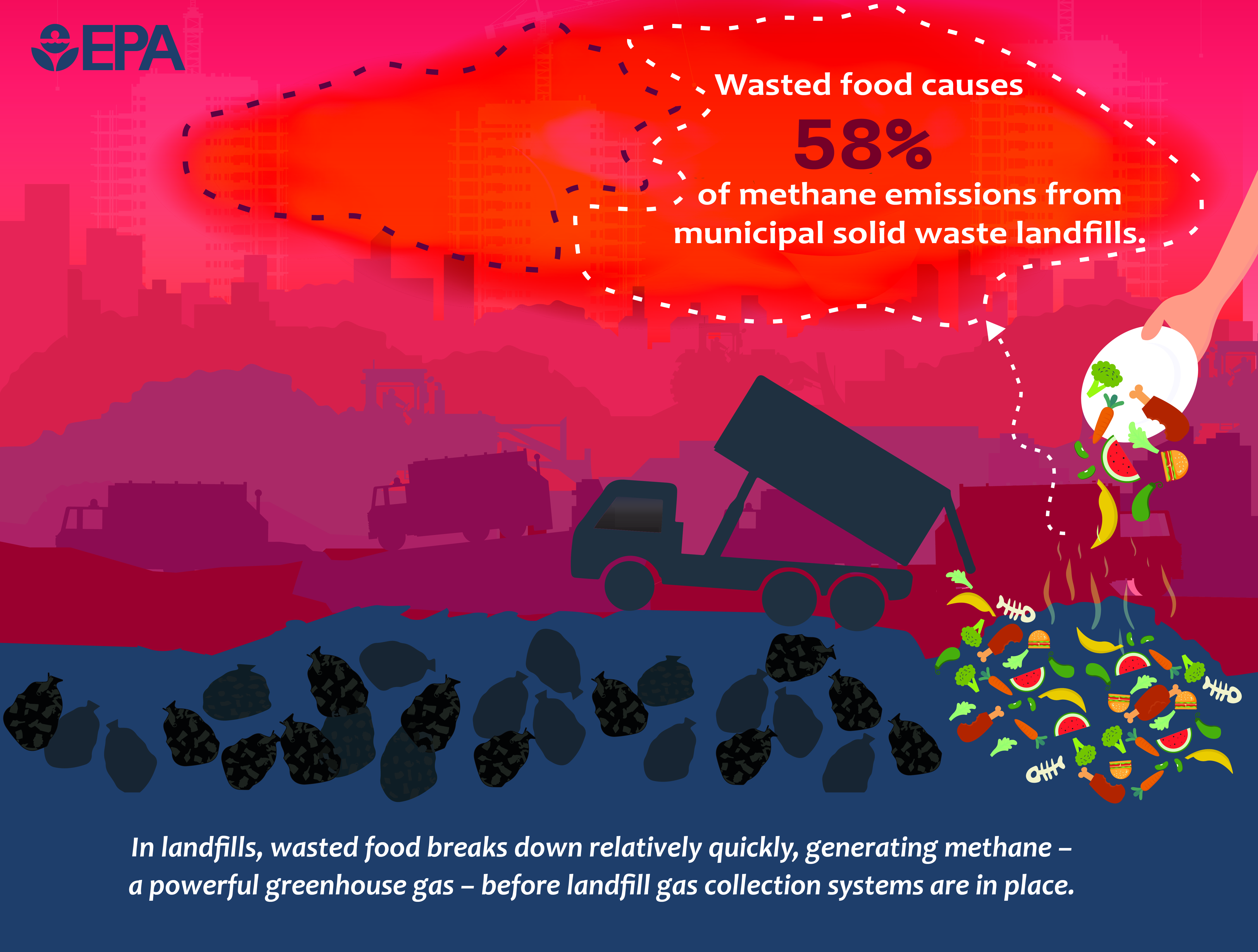
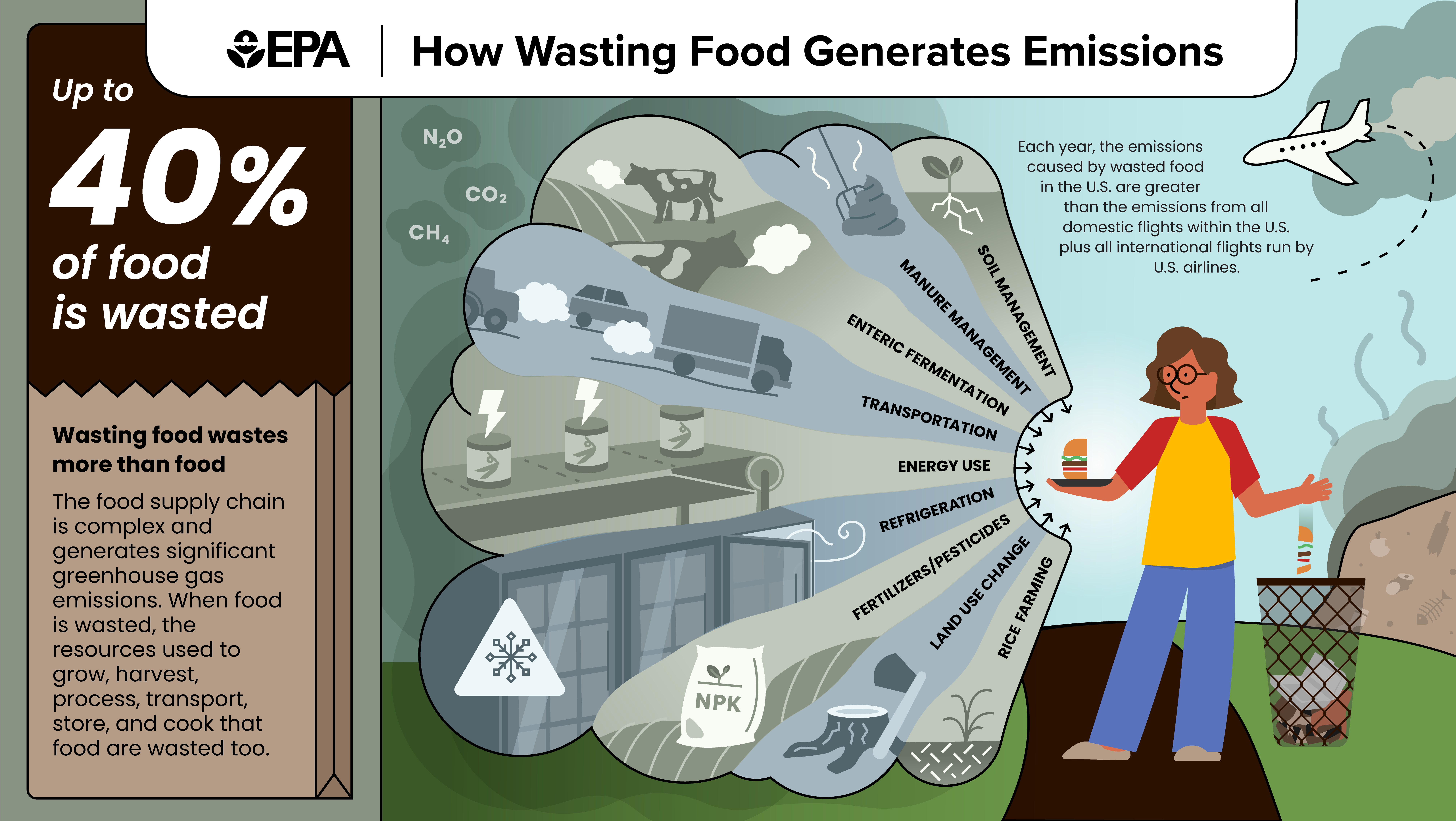
Globally, the impact goes beyond household budgets. Food waste contributes to greenhouse gas emissions, with avoidable waste producing millions of metric tons of carbon dioxide annually . At the household level, the financial toll is also significant—studies estimate individuals may waste around $1,300 worth of food each year .
For families in growing communities like Katy ISD, where budgets, sustainability and community support systems all intersect, that information carries real weight.
Connecting Classroom Learning to Global Impact
The Galaxy Girls’ project is part of the Destination Imagination (DI) program, which encourages students to solve open-ended challenges through creativity, teamwork and real-world application.
Unlike traditional academic competitions, DI allows students to take full ownership of their ideas—designing solutions, testing them and presenting their findings without a set script. That freedom is what often transforms classroom concepts into meaningful community contributions.
“As students, we also thought about what we can do ourselves instead of waiting for others to take action,” the team said. “One idea we came up with was reaching out to local community platforms like [My Neighborhood News] and school newsletters to help spread awareness in a simple but meaningful way.”
Their work stood out. The Galaxy Girls earned 1st place in the Service Learning challenge at both the Regional competition and the Lone Star Finals State Tournament, helping secure their spot at the upcoming Destination Imagination Global Finals in Kansas City.
Their achievement is part of a broader success story for Katy ISD, where multiple teams across grade levels advanced to the global stage following strong performances at state.
What This Means for the Katy Community
Beyond awards and recognition, the Galaxy Girls’ project highlights something more lasting: how student-led initiatives can directly benefit the community.
Their work encourages families to:
- Better understand food expiration labels
- Reduce unnecessary food waste at home
- Save money on groceries
- Support local food redistribution efforts
It also reflects a growing awareness among younger generations about sustainability, food insecurity and environmental responsibility.
“Our goal is simple: if even a few families better understand expiration dates and reduce food waste, that would mean a lot to us,” the team shared.
What Happens Next
As the Galaxy Girls prepare to represent Katy ISD on the global stage, their message is already making an impact closer to home.
Their podcast, “Food Waste Starts With the Date,” continues to circulate online, while their community outreach efforts offer a model for how small, local actions can contribute to larger solutions.
For residents across Katy, Fulshear and surrounding areas, the takeaway is practical: understanding what’s behind a label can change what ends up in the trash—and what stays on the table.
And for the students leading the effort, it’s a reminder that meaningful change doesn’t always start with large organizations or policy shifts. Sometimes, it starts in a classroom—and grows from there.

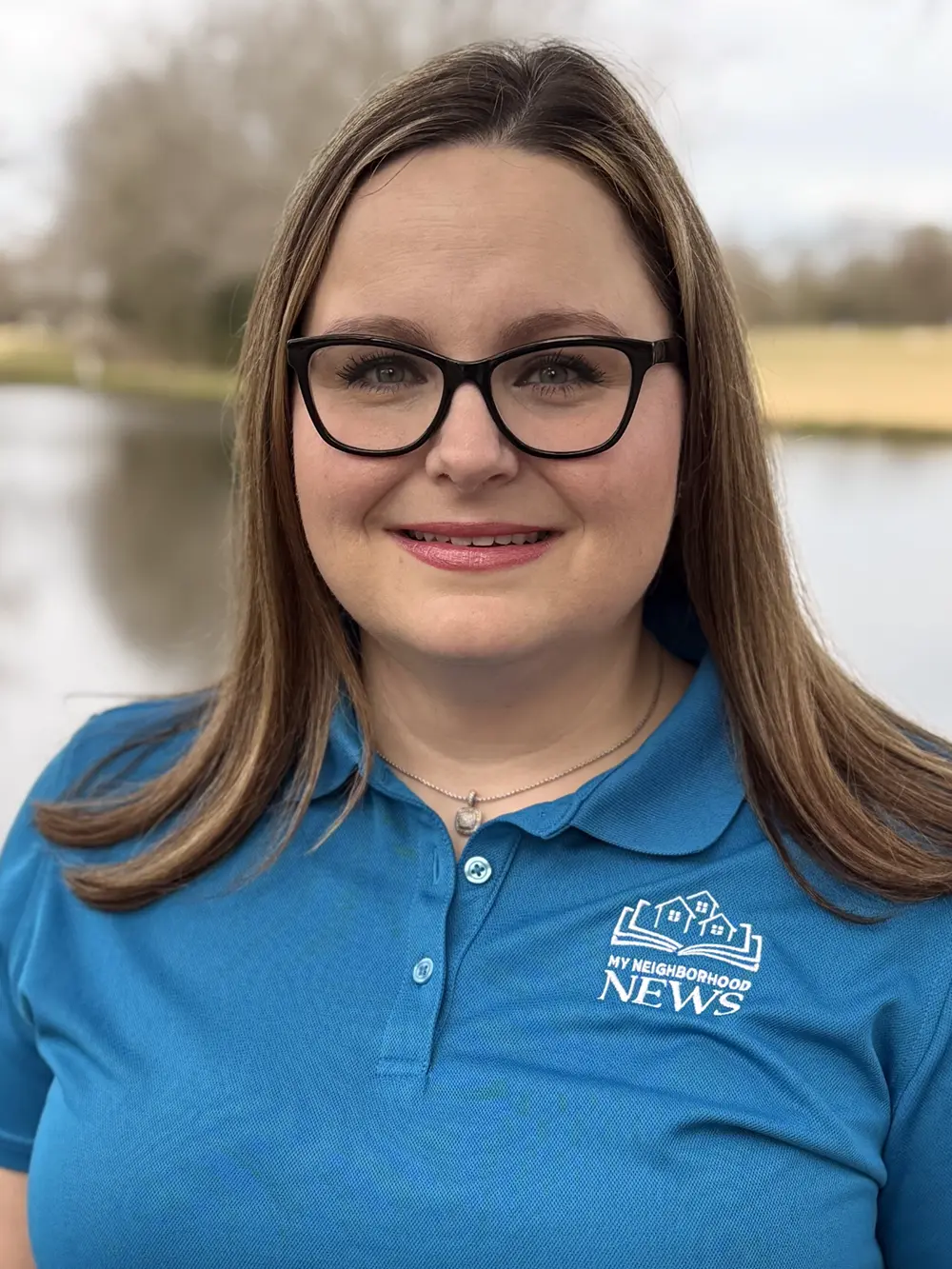 Tiffany Krenek has been on the My Neighborhood News team since August 2021. She is passionate about curating and sharing content that enriches the lives of our readers in a personal, meaningful way. A loving mother and wife, Tiffany and her family live in the West Houston/Cypress region.
Local business spotlight
Grow your business
where trust already lives.
Let’s introduce your business to the neighbors nearby.
Have a local favorite?
Let’s make an introduction.
Leave your email and our team will reach out with ways to promote your business.
Give a local favorite a little love.
Know a business your neighbors should discover? Tell us who they are.
We couldn’t send that just yet. Please try again.