







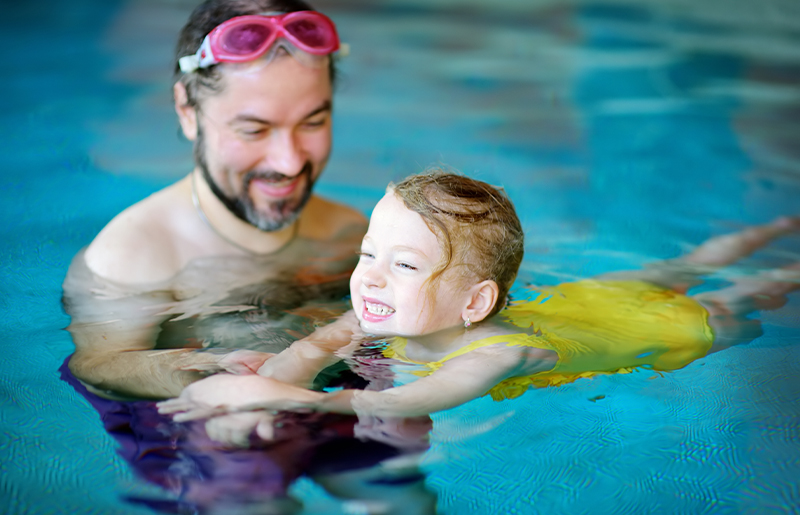
It Can Happen to Anyone: What Barker Families Need to Know About Drowning Prevention This Summer
As neighborhood pools begin to reopen and the school year winds down, families across Barker are stepping into a season many look forward to all year—longer days, warmer weather, and time spent by the water. But alongside the excitement comes an important reminder: water safety isn’t optional, it’s essential.
For parents, homeowners, and caregivers in Barker, understanding the real risks—and how to prevent them—can make all the difference in ensuring a safe and enjoyable summer for children and families alike.
Why Water Safety Matters in Barker
Whether it’s a neighborhood pool, a backyard setup, or a weekend trip to a lake or beach, water is a central part of summer life in Texas communities. According to the American Red Cross, drowning is one of the leading causes of accidental death, particularly among children. The Centers for Disease Control and Prevention (CDC) reports that in the United States, more than 4,000 unintentional drowning deaths occur each year, with hundreds involving children.
What makes drowning especially dangerous is how quickly it can happen. A child can slip under water in as little as 20 to 60 seconds, often silently and without splashing—making constant supervision critical.
How Long Can a Child Survive Without Air?
In many cases, irreversible brain damage can begin after about 4 to 6 minutes without oxygen. According to the American Red Cross, survival and recovery depend heavily on how quickly a person is removed from the water and given help, which is why immediate response and CPR knowledge are so important.
These timeframes highlight just how little margin there is for distraction when children are near water.
The Role of Swimming Lessons in Preventing Drowning
One of the most effective ways to reduce drowning risk is ensuring children learn how to swim. The American Red Cross emphasizes that formal swim lessons can significantly lower the risk of drowning, especially for young children.
Learning to swim goes beyond basic strokes. It includes:
- Floating and treading water
- Entering and exiting water safely
- Understanding how to respond in an emergency
Even strong swimmers benefit from ongoing skill development, particularly as they encounter different water environments like rivers, lakes, or oceans.

Essential Pool Safety Tips for Families
As Barker neighborhood pools reopen, families can take simple but important steps to stay safe:
Always Supervise—No Exceptions
Active, undistracted supervision is the first line of defense. The Red Cross recommends designating a “water watcher”—an adult focused solely on watching swimmers, without distractions like phones or conversations.
Follow Pool Rules and Guidelines
Community pool rules are designed with safety in mind. Pay attention to posted depth markers, capacity limits, and age restrictions, especially for unaccompanied children.
Use Proper Safety Equipment
Life jackets approved by the U.S. Coast Guard are recommended for inexperienced swimmers, especially in deeper or open water. Floaties and inflatable toys are not substitutes for safety devices.
Know CPR and Emergency Response
The American Red Cross strongly encourages parents and caregivers to learn CPR. In an emergency, immediate action can save a life while waiting for first responders. Many local fire departments and community organizations offer CPR certification classes—often free or at a low cost—making it accessible for families in Barker to get trained before peak swim season.
Water Safety Beyond the Neighborhood Pool
While community pools are often monitored and maintained, other water environments come with additional risks.
Home Pools
install four-sided fencing with self-latching gates around backyard pools. Remove toys from the water when not in use to prevent children from reaching in or falling.
Lakes and Rivers
Natural bodies of water have uneven surfaces, currents, and limited visibility. Always wear life jackets and avoid swimming alone.
Beaches and Oceans
Be aware of rip currents, changing tides, and weather conditions. Swim in designated areas with lifeguards when possible.
Building a Culture of Safety in Barker
Water safety is a shared responsibility. Neighbors looking out for one another, parents staying vigilant, and families prioritizing swim education all contribute to a safer community.
As summer approaches, this is also a great time for families in Barker to:
- Enroll children in swim lessons
- Take a CPR class through a local fire department or certified provider
- Review household water safety rules
- Talk openly with kids about safe behavior around water
What Happens Next
With pool season just beginning, families have an opportunity to set the tone for a safe summer. Taking a few proactive steps now can prevent tragedies later—and ensure that time spent in the water stays fun, relaxing, and worry-free.
As Barker heads into one of its most active seasons, staying informed and prepared helps protect what matters most: family, neighbors, and the shared spaces that bring the community together.
Stay tuned to My Neighborhood News for more local updates, seasonal safety tips, and community resources.

 Tiffany Krenek has been on the My Neighborhood News team since August 2021. She is passionate about curating and sharing content that enriches the lives of our readers in a personal, meaningful way. A loving mother and wife, Tiffany and her family live in the West Houston/Cypress region.
Do you own a business?