







Feral Hog Activity Surges in Katy: What Westgate Residents Should Know If Hogs Spotted in Their Neighborhood
Recent reports of feral hog sightings and property damage in communities like Cinco Ranch, Cross Creek Ranch, and other parts of West Houston are drawing attention to a growing regional issue that could affect neighborhoods across the Greater Houston area—including communities like Westgate.
Even for residents who haven’t personally seen signs of wild hog activity, the phenomenon is worth understanding. As suburban development continues and environmental conditions shift, experts say these encounters are becoming more common—and more likely to occur in residential areas.
For homeowners, that means knowing what to watch for and how to respond before damage or safety concerns arise.
What’s Driving the Increase in Feral Hog Activity Right Now
What may feel like a sudden spike in wild hog sightings is actually the result of several overlapping factors building over time, according to wildlife experts and recent guidance from the Texas A&M Natural Resources Institute.
A Rapidly Expanding Population
Texas has the largest feral hog population in the United States, estimated at approximately 2.6 million animals, according to the Texas A&M AgriLife Extension Service. Some broader estimates place that number closer to 3–4 million statewide.
Feral hogs reproduce quickly, often producing multiple litters each year. Experts note that as much as 70% of the population would need to be removed annually just to keep numbers stable—a threshold that is rarely met, particularly near populated areas.
As a result, populations continue to expand outward, often into suburban communities.
Suburban Growth Is Reshaping Wildlife Movement
As neighborhoods expand into previously rural or undeveloped land, natural habitats and travel corridors for wildlife are reduced or fragmented.
“As metropolitan areas continue to push into what were once rural working lands, feral hog encounters and their incursions into developed areas will only continue to increase,” said Jay Long, project coordinator for the Texas A&M Natural Resources Institute Wild Pig Management Program.
According to Texas A&M AgriLife, this shift has contributed to an increase in feral hog presence along the suburban edges of major metro areas like Houston, where development meets remaining green space.
Weather Patterns Are Increasing Visibility
Environmental conditions are also influencing hog movement.
Periods of hot, dry weather can reduce natural food and water sources, pushing hogs toward irrigated lawns, retention ponds, and drainage areas commonly found in suburban neighborhoods. Cooler weather patterns can then increase activity levels, making hogs more visible for longer periods.
This combination can lead to short-term increases in sightings, even in areas where hogs may have already been present but less noticeable.
Suburban Restrictions Limit Control Options
Managing feral hog populations becomes more complex in residential areas.
“With the change in population and land use, we’re seeing more individuals who have little to no experience with feral hogs, as well as limitations to management practices we can employ due to city and county codes or homeowners association rules,” Long said.
According to Texas A&M AgriLife guidance, suburban environments often restrict hunting, trapping, and other large-scale control methods, allowing hog populations to persist once they establish a presence.
Neighborhoods Offer Reliable Food Sources
Experts also point out that residential areas can unintentionally attract hogs.
Irrigated lawns, landscaping, pet food, unsecured trash, and drainage areas can all provide accessible food sources. Once hogs identify a reliable location, they may return repeatedly.
What Residents Should Watch For—Even If You Haven’t Seen Hogs
While not every neighborhood is currently experiencing activity, awareness can help residents act quickly if conditions change.
According to Texas A&M AgriLife Extension, common signs of feral hog activity include:
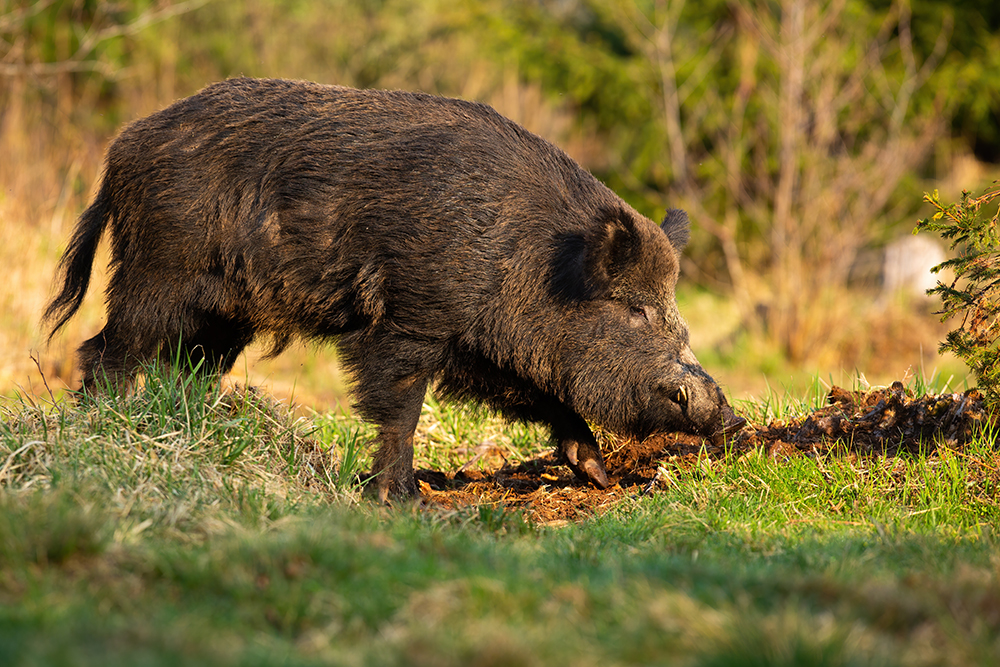
- Rooting or torn-up grass and landscaping
- Muddy wallows near water sources
- Cloven-hoof tracks
- Rub marks on fences or trees
- Droppings near feeding areas
In some reported cases across Texas, groups of hogs—called sounders—have been seen moving together through suburban areas.

Why This Matters for Neighborhoods Like Westgate
Feral hogs can cause significant damage in a short amount of time, affecting not only individual properties but shared community spaces.
According to Texas A&M AgriLife Extension, feral hogs can damage lawns, irrigation systems, and green spaces, while also impacting natural resources such as streams and contributing to the spread of diseases that can affect pets and humans.
For HOA-managed communities like Westgate, the issue can also create coordination challenges around response efforts and compliance with local regulations.
What Residents Can Do to Stay Ahead of the Issue
Even in areas without current activity, small preventative steps can reduce the likelihood of attracting hogs:
- Remove food sources such as pet food, bird seed, and unsecured trash
- Maintain clean yards and avoid leaving organic waste exposed
- Use motion-activated lights or deterrents
- Stay connected with neighbors and report unusual wildlife activity
- Notify HOA or community management if concerns arise
These steps can help make neighborhoods less attractive to wildlife seeking easy resources.
What Not to Do
Residents should also be aware of legal and safety limitations.
According to Texas law and Texas A&M AgriLife guidance:
- Trapping, hunting, or shooting hogs is often restricted in suburban and HOA-governed communities
- Transporting or relocating feral hogs without proper permits is illegal
- Using poisons or unapproved methods is unsafe and prohibited
Residents should avoid approaching or attempting to manage hogs directly.
When to Involve Professionals
If activity becomes frequent or causes damage, residents should:
- Contact their HOA or property management company
- Report concerns to Texas Parks and Wildlife Department Game Wardens
-
Fort Bend County
-
Game Warden K. Mitchell – 361-816-6996
-
Game Warden S. Gfroerer – 325-716-0752
-
-
Harris County
-
Game Warden A. Kincaid – 325-617-8274
-
Game Warden Lopez – 832-523-8565
-
Game Warden Putnam – 281-740-0161
-
-
Montgomery County
-
Game Warden Apple – 936-524-6927
-
Game Warden Price – 936-446-9463
-
-
- Work with licensed wildlife control professionals familiar with local regulations
Professional coordination is often required to ensure safe and compliant removal methods.
A Regional Issue That Requires Awareness and Coordination
Feral hog activity is no longer limited to rural areas. According to Texas A&M AgriLife and the Texas A&M Natural Resources Institute, increasing population growth, land use changes, and environmental pressures are contributing to more frequent encounters in suburban communities across Texas.
“Involvement from both community members and municipal governments is key to building a diverse toolbox of management options,” Long said.
For residents in Westgate, staying informed—even before an issue arises—is one of the most effective ways to protect property and support a coordinated response if needed.
Stay tuned to My Neighborhood News for continued updates on local conditions, safety guidance, and community-focused resources for Westgate.

 Tiffany Krenek has been on the My Neighborhood News team since August 2021. She is passionate about curating and sharing content that enriches the lives of our readers in a personal, meaningful way. A loving mother and wife, Tiffany and her family live in the West Houston/Cypress region.
Local business spotlight
Grow your business
where trust already lives.
Let’s introduce your business to the neighbors nearby.
Have a local favorite?
Let’s make an introduction.
Leave your email and our team will reach out with ways to promote your business.
Give a local favorite a little love.
Know a business your neighbors should discover? Tell us who they are.
We couldn’t send that just yet. Please try again.