







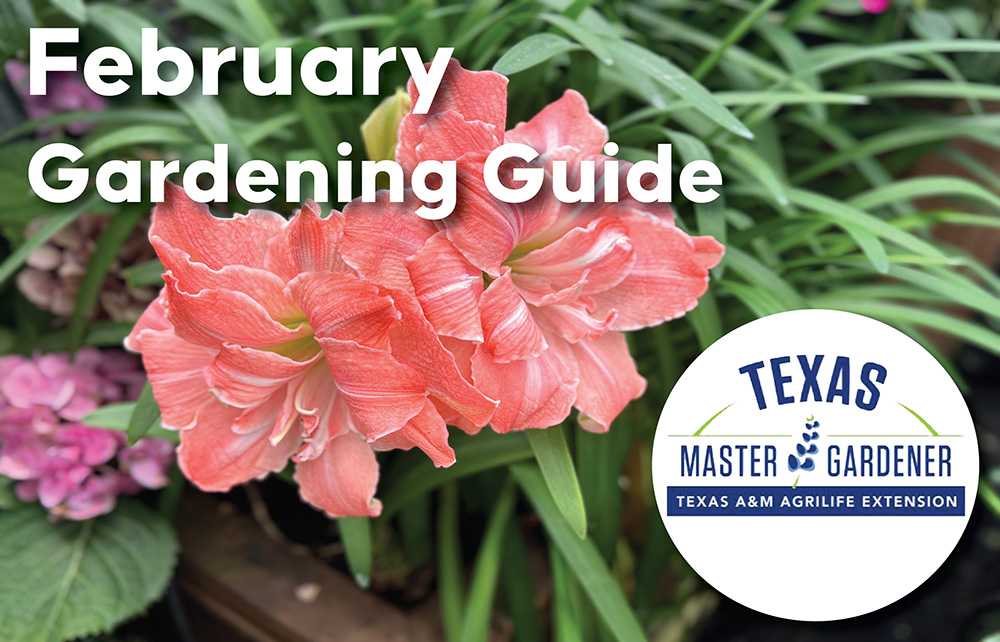
February Gardening Checklist: Central Texas Tips from Texas A&M AgriLife Extension to Prepare Your Garden for Spring
As Valentine's Day approaches, it’s not just about flowers in vases—it’s about flowers in your own garden beds. According to experts at the Texas A&M AgriLife Extension Service, mid-February traditionally marks the start of the spring gardening season in Central Texas. But before you reach for your tools, there’s still a chance of freezing temperatures—so thoughtful planning and preparation are key.
Whether you’re growing edibles, ornamentals, or both, this February gardening checklist is tailored for Austin and Central Texas gardeners. It offers expert guidance for outdoor and indoor gardening, helping residents in Potranco Ranch West and surrounding areas gear up for a productive growing season.
Outdoor Gardening Tips for February in Central Texas
Fertilize Wisely
After Valentine’s Day, it’s time to feed winter-blooming annuals like pansies, alyssum, and dianthus. Use a liquid fertilizer for cool-season veggies like kale, spinach, onions, and broccoli—but hold off fertilizing lawns until April, and steer clear of weed-and-feed products altogether.
Water Before a Freeze, Not After
Give your plants a good watering ahead of forecasted freezes, but avoid soggy soil. Container plants may need more frequent attention during this month’s variable weather.
Time to Transplant and Plant
Late February is your window to:
- Transplant hardy seedlings outdoors (with covers ready for surprise freezes)
- Divide and relocate perennial herbs and flowering plants
- Plant summer bulbs like gladiolus
- Set out final rounds of cool-season veggies like cabbage, broccoli, and cauliflower
- Start seeds for root vegetables like beets, carrots, and turnips
- Generosity is part of gardening—share extra transplants with neighbors!
Soil Maintenance
Add compost or fertilizer based on soil test results, and loosen up any compacted areas. Replenish mulch and continue collecting leaves to use as organic mulch and compost throughout spring and summer.
Lawn Care in February
If your yard has struggled with brown patch disease, treat affected areas with a labeled fungicide in late February. Repeat in 3–4 weeks if necessary.

Watch Out for Pests and Disease
- Apply dormant horticultural oil to fruit trees just before bud break to protect against overwintering pests.
- Be on the lookout for bagworms—remove and destroy any hanging silk pouches on trees.
- Inspect fruit and ornamental pear trees for fire blight (blackened shoots); prune 4 inches below infected areas and disinfect tools between cuts.
- Avoid pruning oak trees from February 1 to June 30 to prevent the spread of deadly Oak Wilt.
Seasonal Pruning and Maintenance
- Prune roses after Valentine’s Day.
- Cut back all perennial flowers and ornamental grasses (2–4 inches for flowers, 6–10 inches for grasses).
- Trim summer-blooming shrubs like oleander and vitex, but wait until spring-bloomers have flowered before pruning.
- Shape woody shrubs and trees (except oaks) and remove damaged branches.
In the Vegetable Garden
Now’s the time to:
- Plant sugar snap, snow, or English peas early in the month—they need 50–60 days before it gets too warm.
- Prep tomato cages and transplant tomato or pepper seedlings into larger containers.
- Start hardening off vegetable starts by placing them outdoors on mild days.
Onion Tips
It’s still a good time to plant onions, and proper fertilizing is key:
- Side-dress 3–4 weeks after planting with 1 cup of fertilizer per 20 feet of row.
- Fertilize again when bulbs start to swell.
- Each leaf = one onion ring, so more leaves = bigger onions!
Indoor Gardening Tips for February
Temperature and Light
Keep plants away from drafty windows—most houseplants dislike temps below 50°F. With limited winter sun, consider adding grow lights to support healthy growth.
Fertilizing and Watering
Use diluted liquid fertilizer only if you see new growth; otherwise, wait until March. Watch for dry soil due to indoor heating and adjust your watering routine accordingly.
Humidity and Air Quality
Dry air can stress plants. Improve humidity by:
- Using pebble trays or humidifiers
- Grouping plants together
- Adding a hygrometer to monitor temperature and humidity
Foliage and Pest Care
- Wipe leaves to remove dust
- Rotate plants to prevent legginess
- Prune leggy growth and propagate healthy cuttings
- Inspect undersides of leaves for pests like spider mites and aphids
Expert Resources for Central Texas Gardeners
The Texas A&M AgriLife Extension Service remains a trusted resource for home horticulturists. Daphne Richards, a regular contributor to Central Texas Gardener (CTG) and County Extension Agent for Horticulture, shares her expertise on everything from seasonal planting to pest control.
For more help, check out:
- Vegetable Garden Planting Guide
- Homeowner’s Fruit and Nut Spray Schedule
- Earth-Kind® Landscaping Pruning Techniques
Final Thought for Potranco Ranch West Gardeners
Gardening in February in Central Texas is all about timing and preparation. With freezes still possible and spring fast approaching, following expert tips now can lead to a thriving, beautiful garden in just a few weeks. So grab your gloves, check the forecast, and let the growing season begin!

 Tiffany Krenek has been on the My Neighborhood News team since August 2021. She is passionate about curating and sharing content that enriches the lives of our readers in a personal, meaningful way. A loving mother and wife, Tiffany and her family live in the West Houston/Cypress region.