







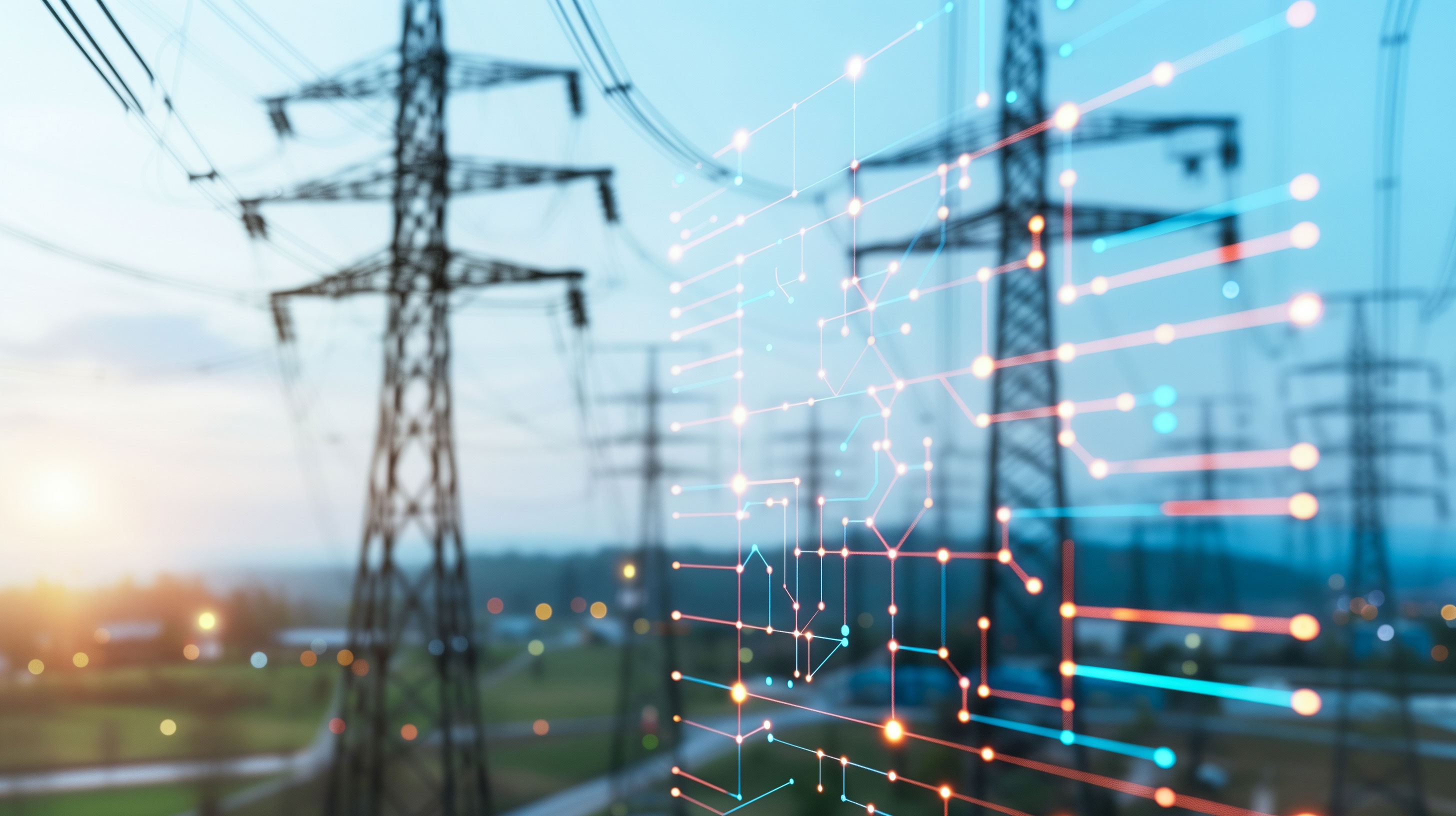
ERCOT and University of Texas Launch Grid Reliability Research to Support Texas’ Growing Energy Demand
On a hot August afternoon in Texas, when air conditioners are running nonstop across the state, or during a sudden winter cold snap, the reliability of the electric grid quickly becomes more than a technical issue—it becomes personal.
That reality is part of what’s driving a new research collaboration between the Electric Reliability Council of Texas (ERCOT) andThe University of Texas at Austin. The partnership aims to better understand how fast-growing energy technologies—especially those tied to solar, wind, and battery storage—will shape the future reliability of the Texas power grid.
As communities across the state continue to grow, this type of research plays a quiet but critical role in keeping homes powered, businesses operating, and daily life running smoothly.
Why This Research Matters for Texas Residents
ERCOT manages the flow of electricity to more than 27 million Texans, representing about 90 percent of the state’s electric load. From suburban neighborhoods to major metro areas, the organization oversees a complex system of more than 55,000 miles of transmission lines and over 1,400 generation units.
In recent years, grid reliability has become a frequent topic of conversation across Texas households—especially during periods of extreme heat and winter weather. At the same time, the state has seen rapid population growth and a surge in renewable energy development.
For homeowners, this evolution can influence everything from outage frequency to how quickly power is restored. For local businesses, it can affect day-to-day operations and long-term planning.
Understanding Inverter-Based Energy Technologies
A key focus of the ERCOT and UT Austin collaboration is the study of inverter-based resources—technologies commonly used in solar panels, wind turbines, and battery storage systems.
In simple terms, these systems generate electricity as direct current (DC), which must be converted into alternating current (AC) before it can be used in homes and businesses. That conversion is handled by devices called inverters.
While these technologies are becoming more common across Texas, their behavior on a large-scale electric grid introduces new complexities that require careful study.

Inside the ERCOT and UT Austin Collaboration
The research is part of ERCOT’s Grid Research, Innovation, and Transformation (GRIT) program, an initiative designed to prepare the Texas grid for long-term demand and technological change.
Through this partnership, researchers at The University of Texas at Austin will develop advanced computer simulations to model how inverter-based resources interact with the grid under a range of real-world conditions.
Behind these simulations are teams of engineers and researchers working to answer a straightforward but essential question: how to maintain reliability as the grid evolves.
“Given the complexity and rapid development of this technology, this collaboration will help us look into the future, anticipate challenges, and identify solutions while we still have some time to prepare,” said Prashant Kansal, ERCOT Director of Grid Transformation.
“Inverter-based resources are emerging rapidly and are very promising. However, their controllers introduce new behavior in grids and must be carefully coordinated,” said Professor Brian Johnson of UT’s Department of Electrical and Computer Engineering.
UT Professor Surya Santoso added, “By studying their behavior under a wide variety of control and operating conditions, reliability, harmonics, and other power-quality-interaction risks can be better understood and managed.”
What This Could Mean for Texas Communities
The findings from this research will help ERCOT determine whether additional monitoring systems or operational strategies are needed as renewable energy continues to expand across the state.
In practical terms, that could support:
- Improved grid stability during peak demand
- Better integration of renewable energy sources
- Enhanced preparation for extreme weather events
- More consistent power delivery across growing communities
“The ability to identify potential issues before they arise and develop practical solutions applicable to real-world grid operations helps ERCOT create a more reliable grid to serve Texans and meet the state’s evolving power needs,” said Fred Huang, ERCOT Senior Director of Grid Stability Analysis.
A Long-Term View of Texas Energy Reliability
The timing of this collaboration reflects broader changes underway across Texas. As population growth continues and energy demand rises, the grid is being asked to adapt quickly—both in scale and in complexity.
ERCOT’s GRIT initiative focuses on studying these changes before they create real-world challenges, combining operational experience with academic research to better prepare for what’s ahead.
While much of this work happens out of public view, its impact will be felt in homes, neighborhoods, and businesses across Texas—especially during the moments when reliable power matters most.
Residents can expect continued updates as ERCOT and The University of Texas at Austin advance this research and share findings that may influence the future of energy across the state.
Stay tuned to My Neighborhood News for ongoing coverage of Texas infrastructure, energy, and community-impacting developments.

 Tiffany Krenek has been on the My Neighborhood News team since August 2021. She is passionate about curating and sharing content that enriches the lives of our readers in a personal, meaningful way. A loving mother and wife, Tiffany and her family live in the West Houston/Cypress region.