







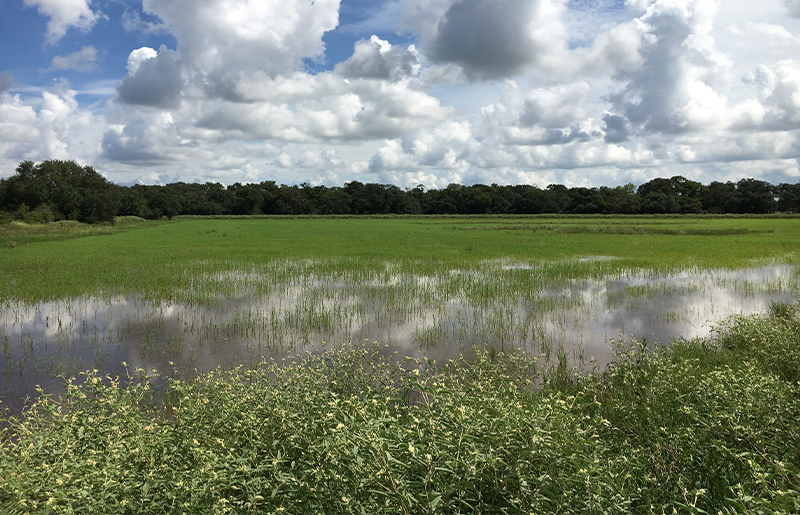
Coastal Prairie Conservancy Protects 221 Acres at Three Oaks Farm, Expanding Katy Prairie Preserve Near Houston
In a region where rapid growth continues to reshape the landscape, a significant conservation milestone is helping preserve one of Greater Houston’s most important natural resources. The Coastal Prairie Conservancy has permanently protected the final 221 acres of Three Oaks Farm, completing conservation of the property and closing a critical gap in the Katy Prairie Preserve.
Located just west of Houston, the newly conserved land strengthens nearly 20,000 acres of connected prairie, wetlands, and working lands—an increasingly rare ecosystem that plays a vital role in flood mitigation, wildlife support, and agricultural sustainability.
Connecting Land, Water, and Community
Three Oaks Farm sits at the heart of the Katy Prairie Preserve, linking key areas such as the Indiangrass Preserve and Hebert Reservoir. With this final phase of conservation complete, what was once a fragmented section of prairie is now unified—allowing water to flow more naturally, wildlife to move freely, and working lands like rice fields and ranches to continue operating as part of a larger, connected system.
“This is about more than acreage,” said Mary Anne Piacentini, President and CEO of the Coastal Prairie Conservancy. “By completing conservation at Three Oaks Farm, we are strengthening an entire system that helps protect communities, sustain working lands, and preserve a landscape that defines this region.”
For residents in Katy, Cypress, and West Houston, that connection has real-world impact. These preserved lands act as natural infrastructure—absorbing and slowing stormwater, improving water quality, and reducing downstream flood risk in a region increasingly shaped by extreme weather events.

Why the Katy Prairie Matters to Houston-Area Residents
The Katy Prairie Preserve is one of the largest remaining coastal prairie ecosystems in the Houston area and one of the last places where residents can experience what this region looked like generations ago. Today, it supports:
- Rice farming and ranching that contribute to local food systems
- Wildlife habitat for hundreds of species, including migratory birds along the Central Flyway
- Public access for outdoor activities like birdwatching, hiking, and nature photography
The preserve is home to more than 300 bird species and hundreds of native plants, making it a critical ecological hub in Southeast Texas .
A Longstanding Mission to Protect a Disappearing Landscape
The Coastal Prairie Conservancy, a Houston-based nonprofit founded in 1992, has spent more than three decades working to protect one of North America’s most threatened ecosystems. As development has replaced farms and open land with subdivisions, roads, and commercial projects, thousands of acres of coastal prairie have disappeared.
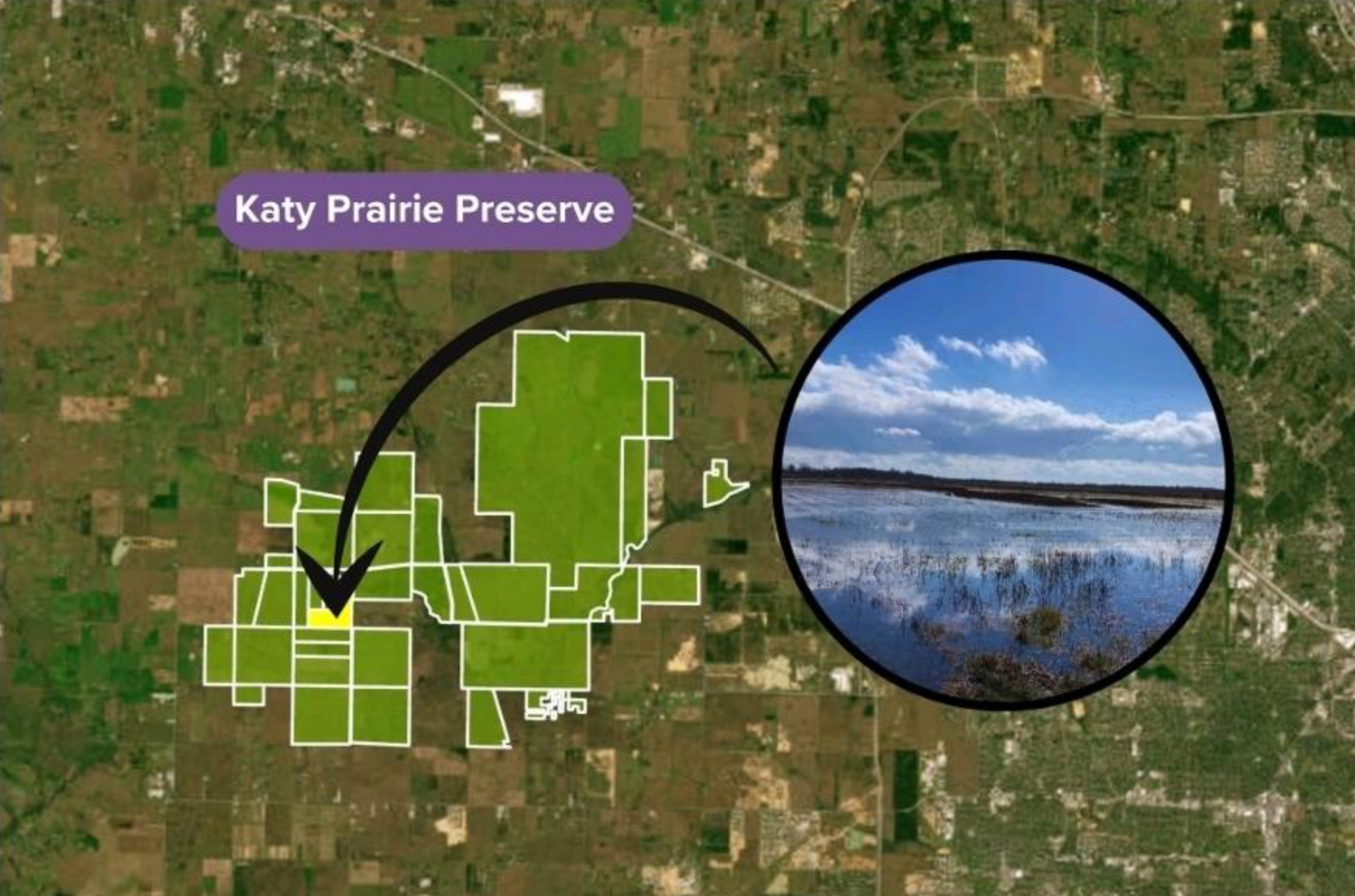 (Source: Coastal Prairie Conservancy)
Through land purchases and conservation agreements with private landowners, the organization has protected more than 34,000 acres across Southeast Texas. Their work focuses not only on preservation, but also on restoration, research, and public access—ensuring that these landscapes continue to benefit both people and wildlife.
Their mission centers on sustaining a resilient Texas by protecting prairies, wetlands, farms, and ranches—recognizing that healthy land directly contributes to healthier communities. Prairie grasses, for example, naturally absorb and hold floodwaters, while wetlands filter pollutants and improve water quality.
A Collaborative Effort with Lasting Impact
The completion of conservation at Three Oaks Farm reflects years of collaboration between landowners and partners, including the U.S. Fish and Wildlife Service through the North American Wetlands Conservation Act, the Knobloch Family Foundation, CenterPoint Energy Foundation, and the Partnership for Gulf Coast Land Conservation, among others.
This milestone is not just about preserving open space—it represents a strategic investment in the long-term resilience of the Greater Houston region.
As development continues to expand westward, projects like this serve as a reminder that growth and conservation must work together. Protecting land like the Katy Prairie helps ensure that future generations can still experience wide-open spaces, observe native wildlife, and benefit from natural systems that quietly support everyday life.
For families across Katy, Cypress, and beyond, that means safer communities, cleaner water, and access to nature just minutes from home.
How to Get Involved: Volunteer with Coastal Prairie Conservancy
Residents who want to support local conservation efforts can get involved through a variety of volunteer opportunities with the Coastal Prairie Conservancy, ranging from one-time events to ongoing roles.
Popular options include Earth Month Fest on April 11 at the Indiangrass Preserve, monthly Stewardship Saturdays, seed collecting and planting programs, and hands-on restoration efforts like the Putting Down Roots Festival. Volunteers can also support urban projects through Prairies in the City, assist in the native seed nursery, or serve as docents and guides.
Corporate groups and private teams can participate in customized service days, while individuals can explore flexible opportunities that fit their schedule and interests.
Learn more about the Coastal Prairie Conservancy and ways to get involved at coastalprairieconservancy.org.
Stay tuned with My Neighborhood News for updates on local conservation efforts, environmental initiatives, and community developments impacting the Greater Houston area.

 Tiffany Krenek has been on the My Neighborhood News team since August 2021. She is passionate about curating and sharing content that enriches the lives of our readers in a personal, meaningful way. A loving mother and wife, Tiffany and her family live in the West Houston/Cypress region.