







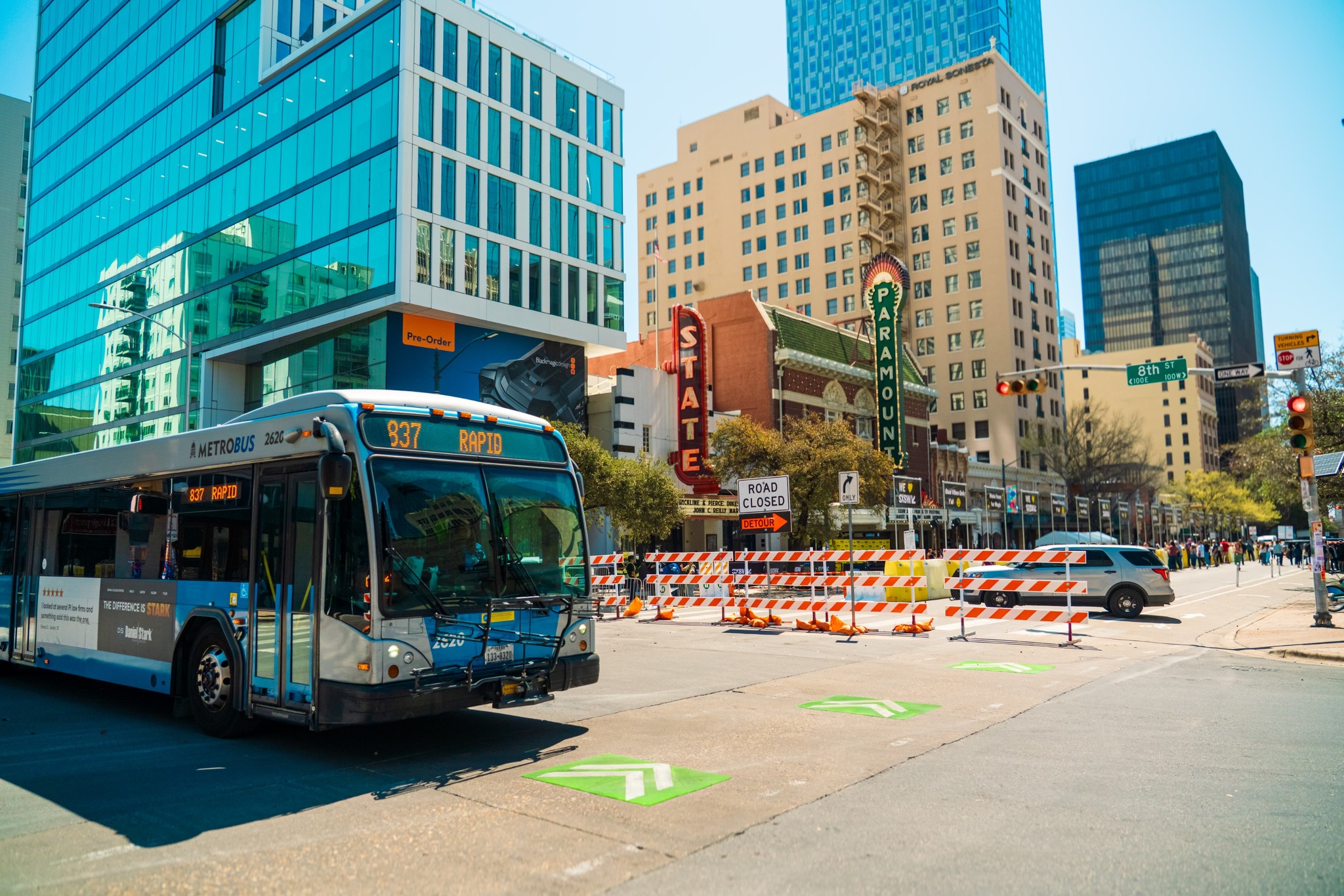
CapMetro’s Proposed June 2026 Service Changes Aim to Reshape How Austin Moves — With Faster Routes, New Transit Hubs, and Expanded Connections
For many Austin residents, getting across the city—whether for work, school, or daily errands—can shape everything from commute times to quality of life. Now, CapMetro’s proposed June 2026 service changes are positioning public transportation to play a bigger, faster, and more connected role in how Central Texans move.
If approved, the changes would introduce more frequent Rapid bus service, two new Park & Ride transit hubs, and redesigned routes across Southeast and Northeast Austin—all part of the agency’s long-term Transit Plan 2035 and Project Connect vision.
For riders, that could mean shorter waits, smoother transfers, and better access to jobs, education, and key destinations across Austin.
A Major Shift in Austin Public Transportation
CapMetro’s proposed updates represent the first major systemwide changes under Transit Plan 2035, reflecting how Austin’s growth is reshaping transit needs.
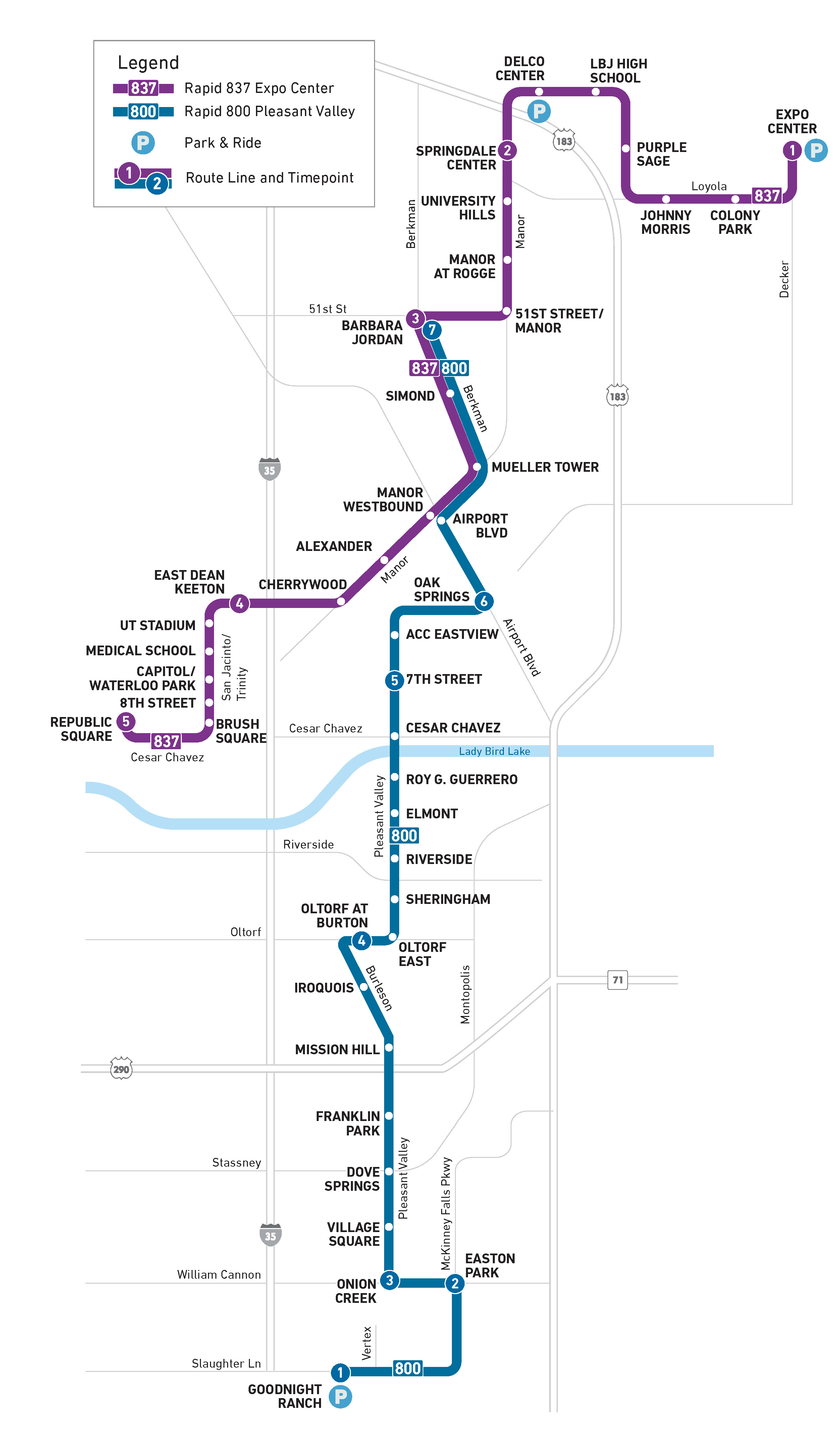
At the center of the plan is a push toward faster, more reliable high-frequency service, particularly along the Rapid 800 Pleasant Valley and Rapid 837 Expo Center lines, which are expected to reach 10-minute peak frequency service if approved.
These routes already connect major destinations—from Mueller and East Riverside to UT Austin and downtown—but the proposed upgrades aim to make them more practical for everyday use.
For many residents, frequency is the difference between “maybe I’ll take the bus” and “this works for my schedule.”
New Park & Ride Hubs in Southeast and Northeast Austin
Two new transit hubs could significantly change how people access public transportation:
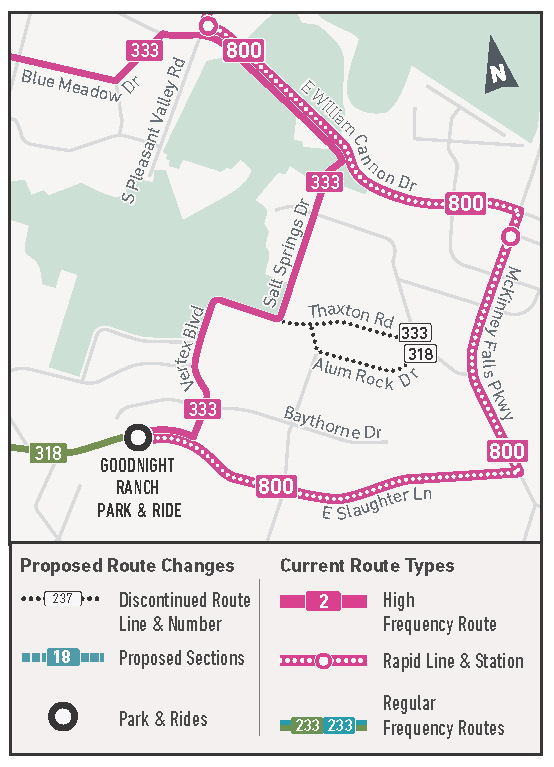
- Goodnight Ranch Park & Ride (Southeast Austin)
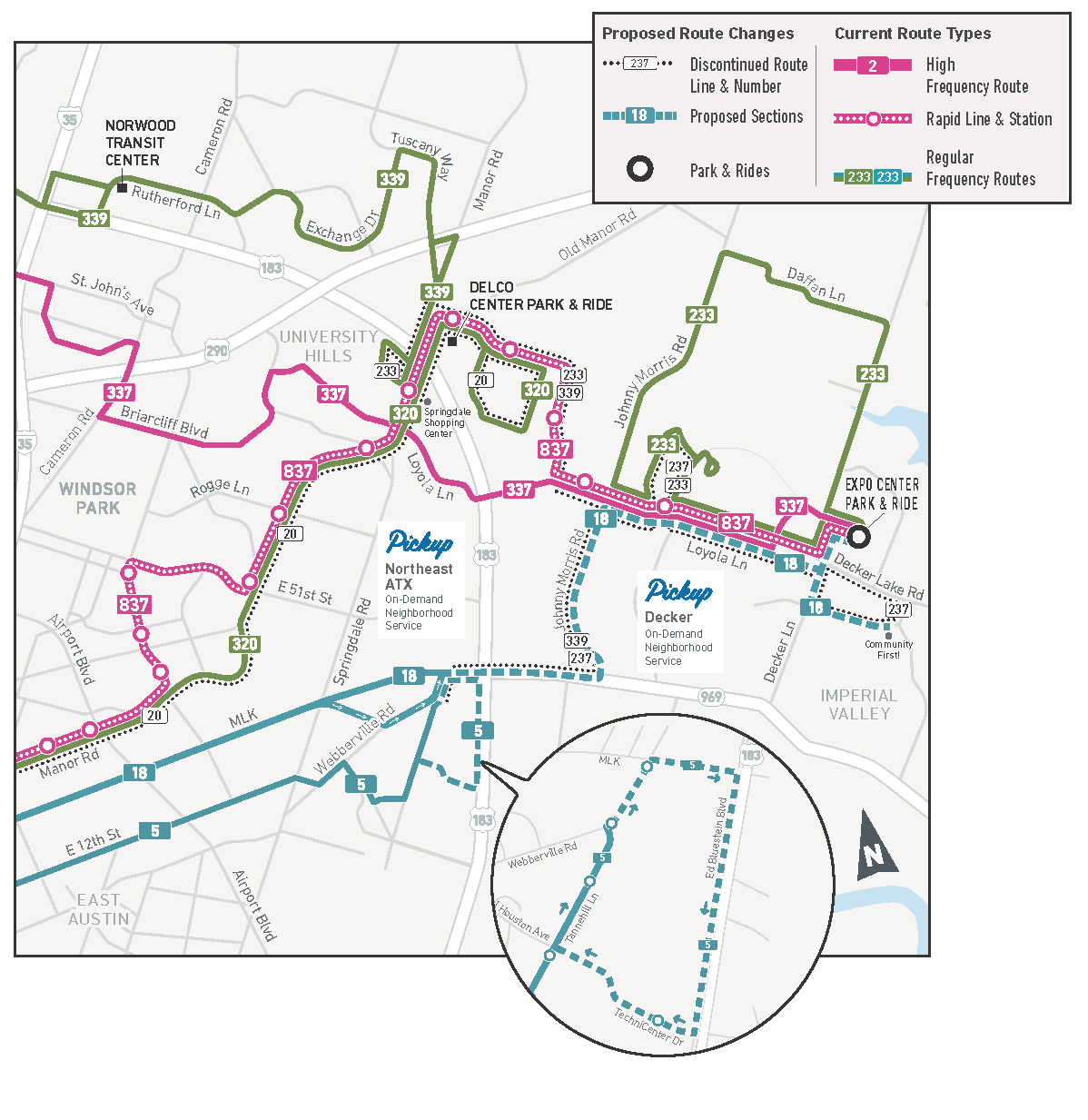
- Expo Center Park & Ride (Northeast Austin)
These hubs are designed to bring multiple routes together in one place, making transfers easier and commutes more predictable.
The Goodnight Ranch location will serve as a new endpoint for several routes, including Rapid 800, Route 318 Westgate/Slaughter, and Route 333 William Cannon—creating a centralized hub for Southeast Austin riders.
Meanwhile, the Expo Center hub is expected to become a major connection point in Northeast Austin, bringing together Rapid 837, Route 337, Route 18, and Route 233, along with on-demand Pickup service.
These additions are not just about convenience—they reflect a broader strategy to reduce fragmented routes and improve how the system works as a whole.
What’s Changing for Routes and Neighborhoods
The proposal includes several route adjustments designed to improve efficiency and reduce overlap:
- Route 18 MLK would expand, replacing Route 237 and part of Route 339
- Route 237 Northeast Feeder would be discontinued
- Route 339 Tuscany would be shortened and combined into a new crosstown route
- Route 233 Decker/Daffan would shift into a neighborhood circulator with increased frequency
- Route 337 Koenig/Colony Park would extend to the Expo Center hub
In Southeast Austin, some route segments—such as portions of Thaxton Road—would lose direct service but retain nearby access points within walking distance.
CapMetro says these changes are designed to better match how people are actually traveling today, while improving reliability and connections across the system.
A Split Route Near UT Austin
Another notable change would impact one of Austin’s busiest corridors:
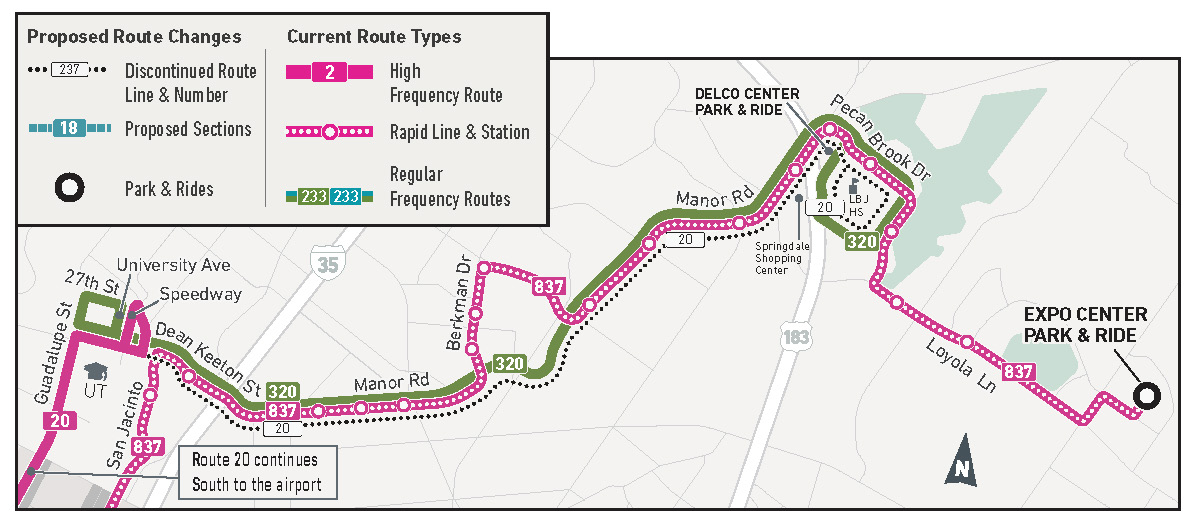
- Route 20 Manor Rd/Riverside would be split at the University of Texas
- South of UT, service would remain frequent along Riverside toward the airport.
- North of UT, a new Route 320 Manor Rd/Dean Keeton would operate as a local support route alongside Rapid 837.
This model mirrors existing corridors where Rapid routes handle speed and efficiency, while local routes provide closer neighborhood coverage.
Summer Adjustments and Schedule Tweaks
As part of the June 2026 update, CapMetro also plans to transition into its typical summer service schedule, including:
- Reduced University of Texas shuttle service
- Removal of select school-specific trips
- Minor schedule adjustments to improve on-time performance
These seasonal shifts are routine but help align service with actual ridership patterns during the summer months.
Sustainability and Long-Term Impact
Beyond convenience, the proposed changes also tie into Austin’s broader environmental goals.
CapMetro plans to expand the use of zero-emission buses along Rapid lines once charging infrastructure is fully operational—helping reduce traffic congestion and air pollution.
The new Park & Ride facilities will include features like bike parking and improved station amenities, supporting a more connected, multimodal transportation system.
For a city continuing to grow rapidly, these changes reflect an effort to balance mobility, sustainability, and quality of life.
What Happens Next
If approved by the CapMetro Board, the service changes are expected to take effect June 7, 2026, following final testing and completion of infrastructure.
Residents are encouraged to share feedback as part of the public input process, helping shape how transit evolves across Austin.
Why This Matters for Austin Residents
For homeowners, renters, students, and commuters alike, these updates go beyond buses and routes.
They influence daily commute times, access to jobs and education, neighborhood connectivity, property values and development patterns, and traffic and environmental impact. As Austin continues to expand, transportation decisions like these help define how accessible—and livable—the city remains.
CapMetro has been serving Central Texas since 1985, now connecting more than 1.3 million residents across a 549-square-mile service area with a growing network of buses, rail, and on-demand services.
With this next phase of service changes, the agency is signaling a shift toward a more connected, frequent, and rider-focused system—one that reflects both where Austin is today and where it’s headed next.

 Tiffany Krenek has been on the My Neighborhood News team since August 2021. She is passionate about curating and sharing content that enriches the lives of our readers in a personal, meaningful way. A loving mother and wife, Tiffany and her family live in the West Houston/Cypress region.