








Who’s Really Making Decisions About Your Neighborhood? Why More Residents Are Starting to Pay Attention
In neighborhoods across growing communities—from suburban master-planned developments to established residential enclaves—decisions that directly impact homeowners are often being made by just a handful of residents.
For many homeowners, that realization comes as a surprise.
Whether it’s landscaping upgrades, architectural approvals, amenity maintenance, or budgeting for future repairs, these choices don’t happen automatically. They’re guided by HOA boards and committees—typically made up of volunteers who live in the same neighborhood.
And in many cases, participation is far lower than residents might expect.
The Small Group Behind Big Decisions
Most homeowners associations (HOAs) are governed by a board of directors supported by committees. These groups are responsible for decisions that influence:
- Community appearance and standards
- Annual budgets and HOA dues
- Vendor contracts for landscaping, maintenance, and repairs
- Approval or denial of home improvement requests
- Long-term planning for shared spaces and infrastructure
In larger communities, that can mean a small group is making decisions affecting hundreds—or even thousands—of homes.
For residents, it raises an important question: who is shaping the future of the neighborhood—and how much input does the broader community have?
Why This Matters to Homeowners
Even for those who have never attended a board meeting or submitted an architectural request, HOA decisions have a direct impact on everyday life.
Consistent standards and well-maintained common areas can support:
- Property values
- Buyer confidence
- Neighborhood reputation
At the same time, decisions around spending, priorities, and enforcement can influence how residents experience their community day to day.
As neighborhoods continue to grow and evolve, those decisions quietly shape how a community is perceived—both internally and by prospective buyers.
The Visibility Gap
One of the biggest challenges many communities face is not a lack of effort—but a lack of visibility.
Board members and committee volunteers often work behind the scenes, reviewing requests, coordinating with vendors, and managing responsibilities outside of regular work hours. Much of this activity happens in meetings, emails, and planning discussions that most residents never see.
As a result, homeowners may only become aware of HOA decisions when:
- A request is approved or denied
- A rule is enforced
- A change appears in the neighborhood
- Annual dues or budgets are communicated
Without that day-to-day visibility, it can be difficult to fully understand how and why decisions are made.

Why Participation Is Often Low
Across many HOAs, board and committee participation tends to be limited. Common reasons include:
- Time constraints
- Uncertainty about responsibilities
- Hesitation to take on a large commitment
- Lack of awareness about opportunities to get involved
Yet, those same communities often rely on a small, consistent group of volunteers to carry out essential responsibilities.
A Growing Awareness Among Residents
As neighborhoods continue to expand and expectations evolve, more homeowners are beginning to take a closer look at how decisions are made—and where their voice fits into the process.
For some, it starts with simple questions:
- Why was that change made?
- How are priorities decided?
- Who is responsible for this decision?
Those questions often lead to a deeper understanding of how HOAs operate—and where residents can contribute if they choose.
If You’ve Ever Had an Opinion, This Is Where It Matters
For homeowners who have ever thought, “I wish this was handled differently” or “this could be better,” there are accessible ways to become part of the conversation.
One of the simplest first steps is attending an HOA board meeting. These meetings offer a direct window into how decisions are discussed, what priorities are being considered, and how boards balance competing needs within the community. Even attending occasionally can provide valuable context and clarity.
Another step is reaching out to your HOA board or property management company to ask about available openings—especially on committees. These roles often focus on specific areas such as:
- Architectural review
- Landscaping and beautification
- Communications (often made significantly easier through collaboration with trusted partners like My Neighborhood News)
- Events or community engagement
Starting with a committee allows residents to:
- Learn how decisions are made
- Contribute in a focused, manageable way
- Get involved without overcommitting
For those unsure about time availability, this approach offers flexibility—giving residents the opportunity to start small, avoid overcommitting, and grow into a larger role over time if it’s the right fit.
A Shared Responsibility for the Community’s Future
Neighborhoods don’t evolve by chance. They are shaped by the decisions, priorities, and involvement of the people who live there.
In communities where growth continues and expectations remain high, those decisions carry real weight—for homeowners today and for those who will move in tomorrow.
For many residents, simply understanding how that process works is the first step. For others, attending a meeting or joining a committee can help ensure their perspective is part of the conversation.
Stay tuned to My Neighborhood News for more insights into the decisions and dynamics shaping communities.

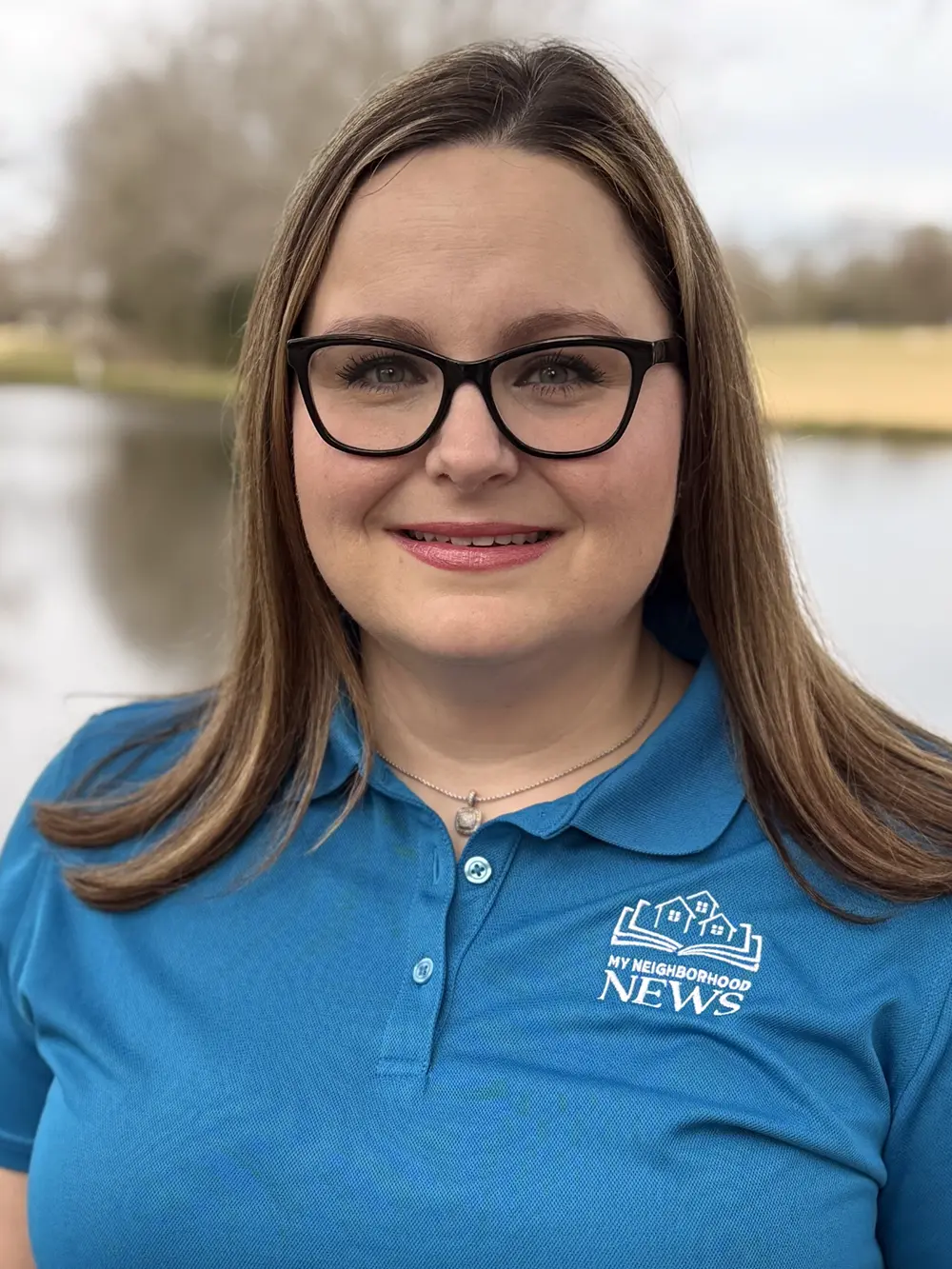 Tiffany Krenek has been on the My Neighborhood News team since August 2021. She is passionate about curating and sharing content that enriches the lives of our readers in a personal, meaningful way. A loving mother and wife, Tiffany and her family live in the West Houston/Cypress region.
Local business spotlight
Grow your business
where trust already lives.
Let’s introduce your business to the neighbors nearby.
Have a local favorite?
Let’s make an introduction.
Leave your email and our team will reach out with ways to promote your business.
Give a local favorite a little love.
Know a business your neighbors should discover? Tell us who they are.
We couldn’t send that just yet. Please try again.