







West Nile Virus Reminder for Tavola West: Montgomery County Residents Urged to Prevent Mosquito Bites
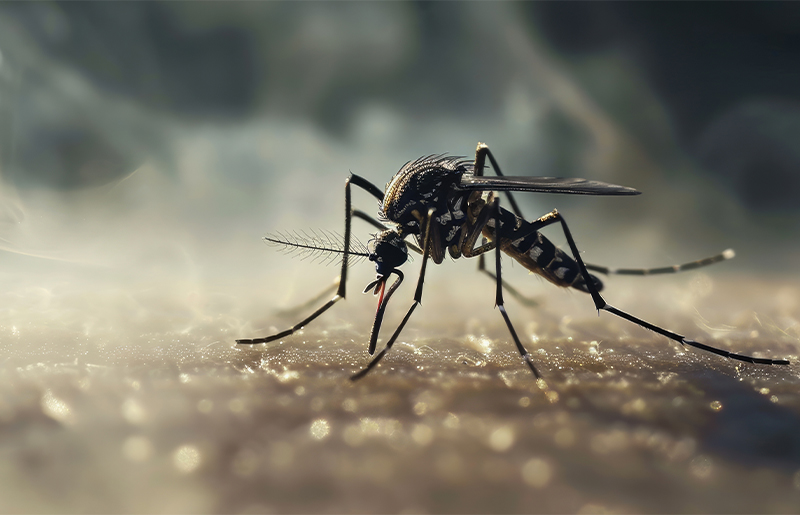
A West Nile virus-positive mosquito detected in Montgomery County is serving as a timely reminder for residents to take mosquito prevention seriously as summer continues.
The Montgomery County Public Health Department is urging homeowners to reduce mosquito breeding areas and protect themselves from bites following the county’s first reported positive mosquito detection about a month ago. The finding does not mean that every mosquito carries the virus or that a human case has been confirmed, but it does show that West Nile virus is circulating in the local mosquito population.
For families in Tavola West, the message is practical rather than alarming: mosquito protection should become part of the everyday summer routine, particularly when spending time in yards, parks, sports fields and other outdoor gathering places.
What a West Nile-Positive Mosquito Means for Montgomery County
Montgomery County’s Integrated Mosquito Management Team routinely monitors mosquitoes for diseases that can affect people. When a mosquito tests positive for West Nile virus, public health officials use that information to guide mosquito-control efforts and remind residents to reduce their own exposure.
West Nile virus is most commonly transmitted to people through the bite of an infected mosquito. Mosquitoes generally become infected after feeding on birds carrying the virus. The illness is not ordinarily spread through casual contact between people.
The Centers for Disease Control and Prevention says West Nile activity typically occurs during the summer and continues into the fall, making ongoing precautions important even when several weeks have passed since a local detection.
How Residents Can Prevent Mosquito Bites
The CDC says the most effective way to prevent West Nile virus is to prevent mosquito bites because there is currently no licensed human vaccine or preventive medication for the disease.
Residents should choose an Environmental Protection Agency-registered insect repellent containing an active ingredient such as DEET, picaridin, IR3535, oil of lemon eucalyptus, para-menthane-diol or 2-undecanone. Products should always be applied and reapplied according to their labels. When sunscreen is also needed, the CDC recommends applying sunscreen first and insect repellent second.
Parents should not use products containing oil of lemon eucalyptus or para-menthane-diol on children younger than 3. Adults applying repellent to a child’s face should first spray it onto their own hands and then carefully apply it, avoiding the child’s eyes, mouth, hands and irritated skin. Babies and young children can also be protected with clothing that covers their arms and legs and mosquito netting placed over strollers or infant carriers.
Loose-fitting, long-sleeved shirts, long pants and socks can provide another layer of protection. Clothing and outdoor gear may also be treated with products containing 0.5% permethrin, but permethrin should not be applied directly to the skin.
Although mosquitoes are often associated with dusk and dawn, different mosquito species can bite at different times. Using repellent whenever mosquitoes are active is more dependable than relying only on the time of day.

A Five-Minute Yard Check Can Make a Difference
Mosquitoes need only a small amount of standing water to lay eggs, which means an overlooked container can become a breeding site close to the home.
Residents should regularly empty, scrub, turn over, cover or discard anything that holds water. Common trouble spots include flowerpot saucers, buckets, children’s toys, clogged gutters, birdbaths, pet bowls, pool covers, wheelbarrows and discarded tires.
Water containers that cannot be emptied should be tightly covered or treated with an appropriate larvicide according to label directions. Swimming pools should remain properly maintained and circulated.
Inside the home, residents can keep mosquitoes outdoors by repairing damaged window and door screens, closing gaps around entrances and using air conditioning when available.
For Tavola West homeowners, checking the yard after rainfall, lawn watering or outdoor gatherings is one of the simplest ways to reduce mosquito activity near patios, doors and play areas.
West Nile Virus Symptoms to Watch For
Many people infected with West Nile virus never develop noticeable symptoms. Those who do become ill may experience fever, headache, body aches, vomiting, diarrhea, joint pain or a rash. Most people with a mild illness recover completely, although fatigue and weakness can sometimes continue for weeks or months.
Symptoms generally develop between two and 14 days after the bite of an infected mosquito, although the period may be longer for people with weakened immune systems.
Fewer than 1% of infected people develop severe illness affecting the central nervous system. Warning signs can include a high fever, severe headache, neck stiffness, muscle weakness, confusion, tremors, seizures or paralysis. Older adults and people with certain underlying medical conditions face a greater risk of severe disease.
Anyone experiencing severe symptoms should seek immediate medical attention. A healthcare provider can determine whether testing or hospital care is needed. There is no specific medication that cures West Nile virus; treatment focuses on managing symptoms and supporting recovery. (CDC)
What Residents Should Do Now
The local mosquito detection is not a reason to stop enjoying the outdoors. It is a reminder to keep repellent near the door, dress appropriately for outdoor activities, inspect screens and remove standing water each week.
Those habits can help protect individual households while also reducing mosquito breeding across the broader community.
Residents can find additional West Nile virus information and updated mosquito-bite prevention guidance through the CDC and Montgomery County Public Health District.
Stay tuned to My Neighborhood News for public health, safety and community updates affecting Montgomery County neighborhoods.

 Tiffany Krenek has been on the My Neighborhood News team since August 2021. She is passionate about curating and sharing content that enriches the lives of our readers in a personal, meaningful way. A loving mother and wife, Tiffany and her family live in the West Houston/Cypress region.
Local business spotlight
Grow your business
where trust already lives.
Let’s introduce your business to the neighbors nearby.
Have a local favorite?
Let’s make an introduction.
Leave your email and our team will reach out with ways to promote your business.
Give a local favorite a little love.
Know a business your neighbors should discover? Tell us who they are.
We couldn’t send that just yet. Please try again.