







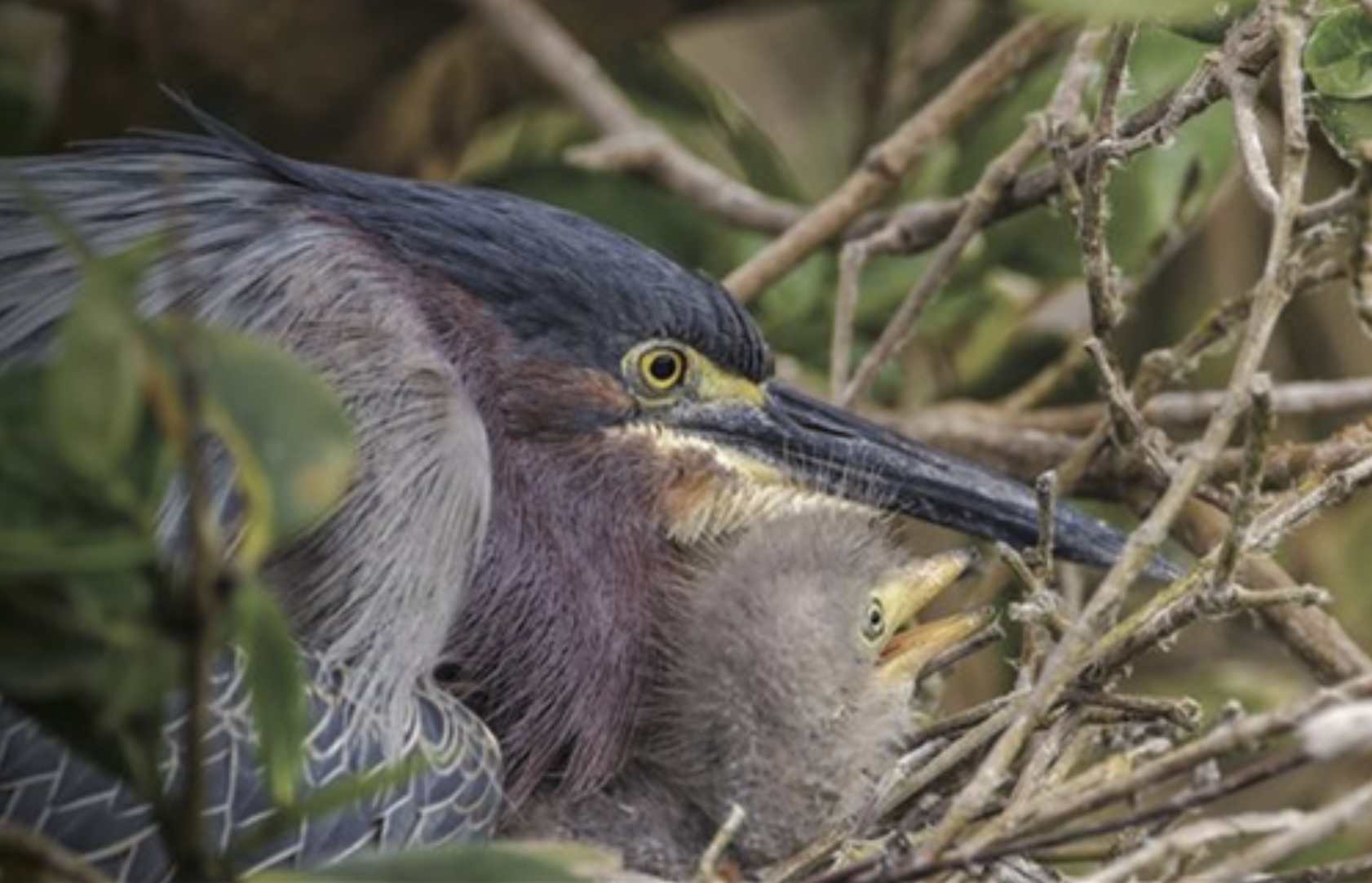
Texas Launches First All-Digital Wildlife Action Plan, Expanding Access to Conservation Tools Statewide
Across Texas—from rural ranchland to rapidly growing suburban neighborhoods—the way residents engage with wildlife conservation is changing.
The Texas Parks and Wildlife Department (TPWD) has launched the nation’s first fully digital State Wildlife Action Plan (SWAP), creating a more accessible, interactive way for Texans to understand and participate in protecting the state’s natural resources.
For communities across the state, including fast-growing areas in Central and South Texas, the shift signals more than just a technology upgrade. It represents a broader effort to connect everyday residents—homeowners, students, land managers, and families—to the long-term health of local ecosystems that directly impact quality of life, property value stability, and environmental resilience.
Why This Matters for Texas Communities
As development continues across Texas, questions about land use, water resources, and environmental sustainability are becoming more common at the neighborhood level.
The newly digitized Texas State Wildlife Action Plan provides a centralized, user-friendly platform where residents can explore:
- Which species are most at risk in their region
- What habitats are under pressure
- Where conservation efforts are most needed
- How local actions can support long-term environmental health
By making this information easier to access, TPWD is helping communities better understand how conservation decisions connect to everyday life—from flood mitigation and water quality to preserving green space and wildlife corridors.
A More Accessible Conservation Roadmap
Traditionally updated once every decade, the State Wildlife Action Plan has now evolved into a dynamic, continuously updated online tool.
“This is Texas’ conservation roadmap for rare and declining wildlife, and the web tool makes that roadmap practical and accessible,” said Kelly Simon, TPWD’s State Wildlife Action Plan Coordinator.
The platform is optimized for mobile and desktop use, allowing users to filter information by:
- Species type (birds, amphibians, reptiles, and more)
- Habitat type
- Protection status
- Geographic relevance
This level of accessibility means that whether someone is managing acreage outside city limits or simply interested in local wildlife sightings, the information is now within reach.
Supporting Smarter Growth and Resource Planning
Texas remains one of the fastest-growing states in the nation, bringing both opportunity and strain on natural resources.
The SWAP plays a key role in helping guide smarter decisions by:
- Identifying Species of Greatest Conservation Need (SGCN)
- Highlighting threats to ecosystems
- Recommending targeted conservation actions
- Mapping Conservation Opportunity Areas where efforts are most likely to succeed
For local leaders, planners, and residents, these insights can inform discussions around development, infrastructure, and land stewardship—topics increasingly relevant in suburban and rural communities alike.
Funding and Long-Term Impact
Maintaining an approved State Wildlife Action Plan is also critical for Texas to remain eligible for approximately $3 million annually in federal State and Tribal Wildlife Grants, which support conservation projects across the state.
These funds often flow into:
- University research programs
- Habitat restoration projects
- Community-based conservation initiatives
In turn, these efforts contribute to preserving Texas’ natural heritage while supporting outdoor recreation, tourism, and local economies.
A Tool Built for Participation
One of the most notable features of the digital SWAP is its emphasis on ongoing community involvement.
Residents, educators, and researchers can contribute insights and observations through the platform, helping ensure the plan stays current and reflective of real-world conditions.
“We built this to be a working system, not a once-a-decade document,” Simon explained.
This approach invites Texans to move from passive observers to active participants in conservation—whether by sharing data, managing land responsibly, or simply learning more about the ecosystems around them.
What Happens Next
As awareness of the digital SWAP grows, its impact will likely extend beyond conservation circles into everyday community conversations.
For homeowners and families, the platform offers a clearer understanding of how environmental health ties into:
- Property values and neighborhood desirability
- Flood prevention and land stability
- Access to parks and natural spaces
- Long-term sustainability of local resources
For students and educators, it opens the door to hands-on learning rooted in Texas landscapes.
And for communities navigating growth, it provides a data-driven foundation for balancing development with preservation.
Residents interested in exploring the Texas State Wildlife Action Plan can access the platform online at txswap.org.
As Texas continues to grow, tools like this digital conservation roadmap are helping ensure that progress and preservation move forward together—one community at a time.
Stay connected with My Neighborhood News for more updates on initiatives shaping the future of Texas communities.

 Tiffany Krenek has been on the My Neighborhood News team since August 2021. She is passionate about curating and sharing content that enriches the lives of our readers in a personal, meaningful way. A loving mother and wife, Tiffany and her family live in the West Houston/Cypress region.