







Squishy Toys Are Everywhere — Why Sunset Oaks Families May Want to Look Twice
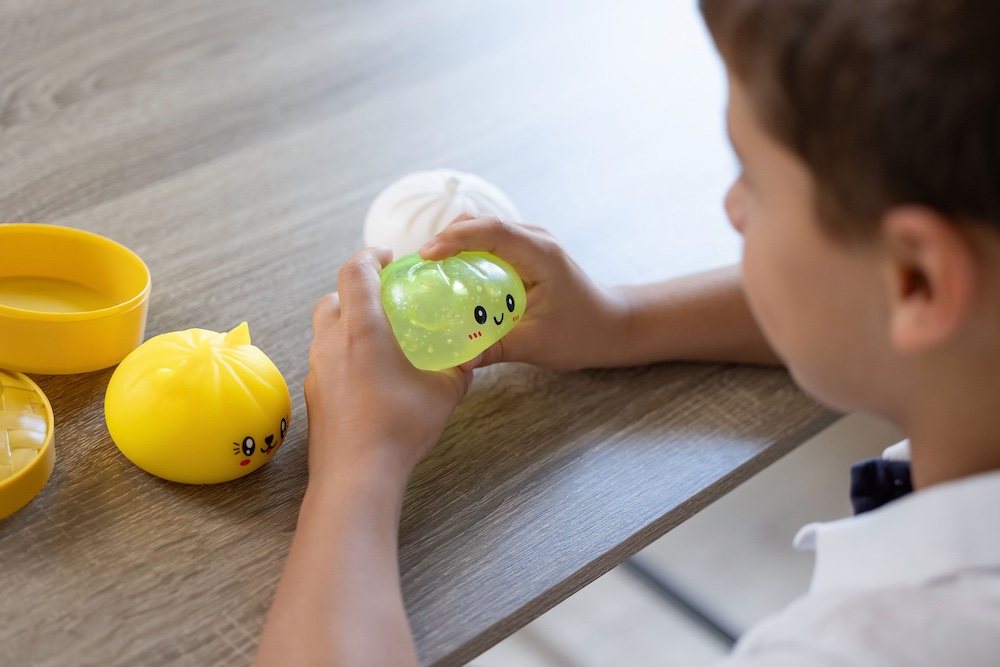
Soft, colorful and often shaped like animals, food or familiar characters, squishy toys have become a favorite among children and teens. They are sold as collectibles, sensory toys and stress relievers, turning up in school backpacks, birthday-party favor bags, bedrooms and family vehicles.
Their popularity has also made them a frequent sight on social media and online marketplaces, where even trusted brands like NeeDoh are becoming harder to find due to viral demand, with some stores selling out within minutes of restocking. In many retail locations, squishy toys are now kept behind the customer service counter or under lock and key rather than on the sales floor, largely due to theft concerns, while lower-cost versions from unfamiliar sellers continue to appear alongside them online.
Now, a warning from the U.S. Consumer Product Safety Commission is giving families in Sunset Oaks a practical reason to take a closer look at the squishy toys already in their homes — especially those purchased online or left inside a hot vehicle during the Texas summer.
The CPSC warned on Aug. 5 that fake and counterfeit squishy toys may expose children to unsafe filling materials, small parts, lead, prohibited phthalates and other hazardous substances. The agency also repeated its warning against microwaving the toys and cautioned that they can become dangerously hot when left inside vehicles, in direct sunlight or near other heat sources.
The warning does not indicate that unsafe squishy toys have been identified specifically in Sunset Oaks. Instead, it offers parents and caregivers a simple consumer-safety check they can make at home.
Why Texas Heat Matters
Many squishy toys are filled with water beads, gels, liquids, powders, sand or other materials designed to create their soft texture.
When those fillings are heated, they can become hot enough to cause serious burns. If the outer covering bursts, sticky material may cling to the skin and continue transferring heat, potentially worsening the injury.
The CPSC said squishy toys should never be microwaved or intentionally heated, even when videos on social media show the toys expanding, changing texture or bursting.
Hot vehicles present another concern. Toys left on a car seat, floorboard, dashboard or inside a child’s travel bag can be exposed to high temperatures during the summer. Families may want to include squishy toys in the same routine check used for electronics, aerosol containers and other heat-sensitive items before leaving a parked vehicle.

Counterfeit Toys May Be Hard to Recognize
Squishy toys come in a wide range of animal, food and character shapes and are sold through online marketplaces, social media advertisements, discount stores and other retailers.
Counterfeit or noncompliant versions may look similar to products sold by established manufacturers, but they may not have undergone the testing required for children’s toys.
The CPSC said questionable products may lack safety warnings, age recommendations, manufacturer identification or tracking information. Packaging with misspelled words, blurry printing or missing importer details may also signal that a toy was not produced or distributed through a reputable source.
A price far below what other retailers charge may be another warning sign, though price alone does not determine whether a product is safe.
What Parents Should Check at Home
Federal safety officials recommend regularly inspecting squishy toys for signs of damage or deterioration.
A toy should be removed from a child’s reach if it:
- Is torn, punctured or leaking
- Feels oily, sticky or unusually soft
- Has a strong chemical odor
- Appears discolored or misshapen
- Can be pulled apart easily
- Has damaged seams or exposed filling
- Lacks manufacturer or safety information
Children should not be allowed to touch, taste, inhale or play with any filling that escapes from a damaged toy.
Some products contain water beads, which can expand after being swallowed. The CPSC warns that water beads may cause choking, intestinal blockages, aspiration or injuries when placed in the nose or ear.
Other unidentified fillings may create chemical exposure, inhalation or ingestion risks.
More Than 355,000 Units Stopped at U.S. Ports
The CPSC said it has identified 55 shipments of squishy toys that violated federal requirements. Working with U.S. Customs and Border Protection, the agency prevented 355,683 units from entering the country.
Federal officials have also issued notices of violation to companies responsible for importing or selling noncompliant products.
Children’s toys sold in the United States generally must be tested by a CPSC-accepted third-party laboratory and certified as complying with applicable federal safety standards.
What to Do if a Burn Occurs
If heated filling material comes into contact with the skin, the CPSC recommends immediately placing the affected area under cool running water for at least 20 minutes.
The area should be gently washed with mild soap to remove any remaining material. Ice should not be applied.
After the burn has been cooled and cleaned, it may be covered with a nonstick sterile dressing. Medical attention should be sought for severe burns, burns involving young children or signs of infection.
Families should also seek medical guidance when a child may have swallowed or inhaled material from a damaged toy, particularly when water beads may be involved.
A Simple Safety Check for Families
The most useful takeaway for local households is straightforward: know who made the toy, check it regularly and keep it away from heat.
Parents and caregivers may want to look through toy bins, backpacks, vehicles and playrooms for squishy toys that are leaking, deteriorating or missing basic safety information.
Incidents involving injuries or defective products may be reported at SaferProducts.gov. The CPSC can also be reached at 800-638-2772, with TTY service available at 800-638-8270.
Stay tuned to My Neighborhood News for additional consumer alerts, product safety information and family-focused updates affecting local communities.

 Tiffany Krenek has been on the My Neighborhood News team since August 2021. She is passionate about curating and sharing content that enriches the lives of our readers in a personal, meaningful way. A loving mother and wife, Tiffany and her family live in the West Houston/Cypress region.
Local business spotlight
Grow your business
where trust already lives.
Let’s introduce your business to the neighbors nearby.
Have a local favorite?
Let’s make an introduction.
Leave your email and our team will reach out with ways to promote your business.
Give a local favorite a little love.
Know a business your neighbors should discover? Tell us who they are.
We couldn’t send that just yet. Please try again.