






Roaming Cats, Neighborhood Concerns and Solutions: What Yorktown Colony Residents Should Know
As Yorktown Colony continues to be a community where neighbors take pride in their homes and outdoor spaces, residents are being reminded that responsible pet ownership plays an important role in preserving the quality of life throughout the neighborhood.
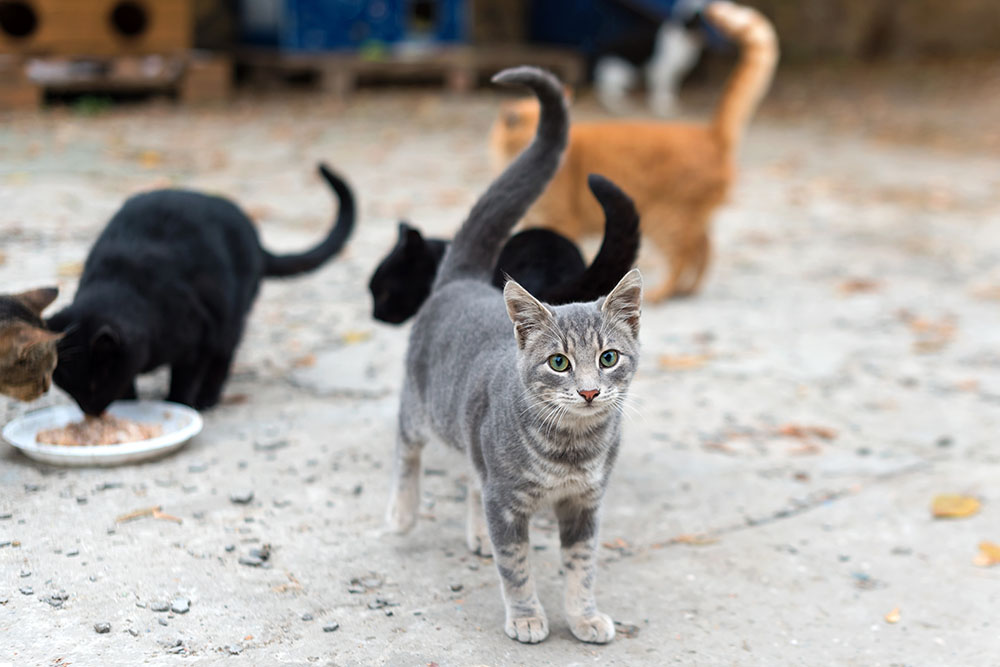
While many residents enjoy cats and appreciate their companionship, a growing number of concerns have been raised regarding owned cats that are being fed and cared for but allowed to roam freely throughout the community. Homeowners have reported issues ranging from digging in flower beds and damaged landscaping to excessive noise, territorial spraying, and waste left in yards.
Like dogs and other household pets, cats can have a significant impact on neighboring properties when left unsupervised. Community leaders encourage cat owners to keep their pets on their own property, provide supervision when outdoors, or consider alternatives such as enclosed cat patios ("catios"), fenced yards designed for cats, or leash training.
Why Feeding Roaming Cats Can Create Bigger Problems
Many residents who leave food outside for neighborhood cats do so with good intentions. However, animal welfare experts note that regularly feeding free-roaming cats can unintentionally contribute to a growing population and increase neighborhood nuisances.
According to the American Veterinary Medical Association (AVMA), free-roaming cats can negatively impact neighborhoods through increased reproduction, disease transmission, wildlife predation, and conflicts with residents. The organization also notes that outdoor cats face greater risks from vehicles, disease, parasites, weather, and other hazards.
When food sources are consistently available, additional stray or abandoned cats are often attracted to the area. Over time, this can lead to larger cat colonies and more complaints related to noise, odor, spraying, fighting, and property damage.
Research and guidance from veterinary and wildlife experts further indicate that feeding alone does not stop cats from hunting. Cats remain natural predators even when well-fed and can continue to prey on birds, reptiles, and small wildlife.
Why Spaying and Neutering Matters
One of the most effective ways to reduce neighborhood cat-related issues is through spaying and neutering.
Veterinary organizations widely support sterilization as a humane and effective way to control cat populations. Spayed and neutered cats are less likely to reproduce, roam long distances, engage in territorial fighting, or contribute to the growth of stray and feral cat populations.
In addition to helping control population growth, sterilized cats often exhibit fewer nuisance behaviors such as spraying, yowling, and aggressive territorial disputes.
For neighborhoods like Yorktown Colony, spaying and neutering can help reduce the number of unwanted litters while improving the long-term health and welfare of both owned and community cats.

Understanding Trap-Neuter-Return (TNR)
For feral cats that are not socialized to people and cannot easily be adopted, many animal welfare organizations support Trap-Neuter-Return (TNR) programs.
Through TNR, cats are humanely trapped, vaccinated, spayed or neutered, and then returned to their original territory. The goal is to gradually reduce colony sizes over time while preventing additional reproduction. Veterinary organizations recognize TNR as one tool that can help manage free-roaming cat populations when properly implemented.
Low-Cost and Free TNR Resources Near Northwest Houston
Residents interested in helping address stray or feral cat populations can explore several local resources that offer free or low-cost services:
-
Citizens for Animal Protection (CAP): Provides affordable spay and neuter services through its Houston veterinary clinic and supports efforts to reduce pet overpopulation through community education and animal welfare programs. Learn more at cap4pets.org.
-
SNAP (Spay-Neuter Assistance Program): Houston-area nonprofit offering affordable spay and neuter services for owned cats and community cats. Learn more at snapus.org/houston.
-
Harris County Pets: Periodically offers low-cost spay and neuter programs and community outreach resources for pet owners. Learn more at countypets.com.
-
Houston Humane Society: Provides affordable sterilization services and occasionally partners with community programs focused on reducing pet overpopulation. Learn more at houstonhumane.org.
-
Friends for Life Animal Shelter: Offers community cat assistance and TNR-related resources for residents in the Greater Houston area. Learn more at friends4life.org.
-
Texas Litter Control: Operates several Houston-area clinics providing low-cost spay and neuter services for cats and dogs. Learn more at texaslittercontrol.org.
Residents should contact each organization directly for current eligibility requirements, appointment availability, and pricing, as programs may change throughout the year.
A Community Responsibility
Yorktown Colony's appeal comes from residents working together to maintain beautiful homes, well-kept yards, and a welcoming environment for families.
Responsible cat ownership doesn't mean residents cannot enjoy their feline companions. Rather, it means ensuring those pets do not create unintended impacts for neighbors. Keeping owned cats safely supervised, avoiding the creation of unmanaged feeding stations, and supporting spay, neuter, and TNR efforts can help balance compassion for animals with respect for fellow residents.
By taking proactive steps today, the community can help reduce nuisance complaints, improve animal welfare, and preserve the neighborhood environment that residents value.
For additional Yorktown Colony neighborhood updates and community news, stay tuned to My Neighborhood News.

 Tiffany Krenek has been on the My Neighborhood News team since August 2021. She is passionate about curating and sharing content that enriches the lives of our readers in a personal, meaningful way. A loving mother and wife, Tiffany and her family live in the West Houston/Cypress region.
Local business spotlight
Grow your business
where trust already lives.
Let’s introduce your business to the neighbors nearby.
Have a local favorite?
Let’s make an introduction.
Leave your email and our team will reach out with ways to promote your business.
Give a local favorite a little love.
Know a business your neighbors should discover? Tell us who they are.
We couldn’t send that just yet. Please try again.