







Medina County New World Screwworm Restrictions Lifted After Weeks of Surveillance and Eradication Work
For Medina County ranchers, livestock owners and rural families who have spent much of the summer watching animals more closely and navigating New World screwworm precautions, an important restriction has now been removed.
The Texas Animal Health Commission issued an order Sept. 16 releasing the area previously designated New World Screwworm Infested Zone 09, which covered portions of Medina, Bandera and Uvalde counties, from quarantine and animal movement restrictions. The action took effect immediately.
The decision follows nearly three months of inspections, surveillance, sterile fly releases and other eradication measures after New World screwworm was detected in a bovine in Medina County on June 23, 2026. The following day, state officials established Infested Zone 09 and imposed movement controls intended to keep potentially infested animals from carrying the pest into new areas.
For Medina County's agricultural community, the Sept. 16 order means the New World screwworm movement requirements associated with Infested Zone 09 are no longer in effect in the released area. The Texas Animal Health Commission's current list of Texas counties with active movement restrictions does not include Medina County.
Why Medina County's New World Screwworm Restrictions Were Lifted
State officials said the decision was based on an epidemiological assessment of the affected area rather than simply the passage of time.
According to the Texas Animal Health Commission order, officials reviewed fly trapping and monitoring data, the dispersal of sterile screwworm flies, visual inspections of susceptible animals for myiasis and the absence of additional New World screwworm detections during the surveillance period following the last confirmed detection.
The commission determined that those surveillance efforts met the criteria required to release the affected area from quarantine and movement restrictions.
That is an important distinction for Medina County livestock producers. The restrictions were not removed because New World screwworm is no longer a concern in Texas. Rather, officials concluded that the specific control measures and surveillance conducted within Infested Zone 09 had accomplished their intended purpose.
New World screwworm activity continues elsewhere in Texas, and the Texas Animal Health Commission still lists movement restrictions in portions of several counties.
Sterile Flies Played a Major Role in Medina County Response
One of the central tools used following the Medina County detection was the release of sterile New World screwworm flies.
The U.S. Department of Agriculture released sterile flies in and around the affected area as part of the effort to suppress and eliminate wild screwworm populations. That work was combined with animal inspections, treatment protocols, movement controls and continued surveillance.
The sterile insect technique works by releasing sterile male flies into areas where screwworm may be present. When those males mate with wild female screwworm flies, the eggs do not hatch. Because female New World screwworm flies generally mate only once, repeated sterile fly releases can steadily reduce the population. USDA says the technique helped eradicate New World screwworm from the United States in 1966 and was also used to eliminate an outbreak in the Florida Keys in 2017.
USDA has continued large-scale sterile fly dispersal as part of the broader 2026 response. The agency reports dispersing millions of sterile flies each week across Texas and Mexico while also conducting aerial surveillance, wildlife monitoring and animal inspections.
For communities like Medina County, those efforts matter well beyond individual ranches. Cattle, horses, goats, sheep, pets and wildlife can all be vulnerable to the parasite, making early detection especially important in areas where agriculture and rural land are part of everyday life.

What Is New World Screwworm?
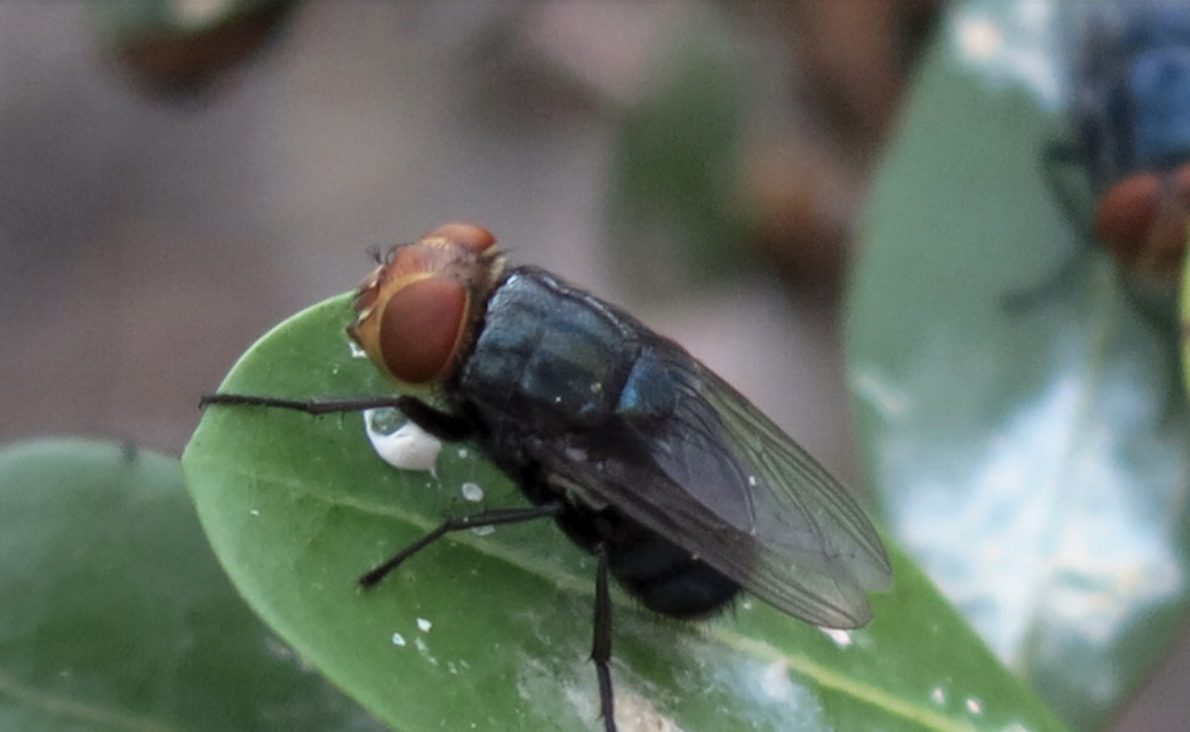
New World screwworm, scientifically known as Cochliomyia hominivorax, is a parasitic fly whose larvae can infest the wounds of living, warm-blooded animals.
Unlike many maggots that feed on dead tissue, New World screwworm larvae burrow into living flesh. USDA describes the pest as a serious threat to livestock, pets and wildlife, with infestations capable of causing severe injury and, when untreated, death. Human cases can also occur, although they are rare.
The issue is not considered a food safety threat. USDA says the U.S. food supply remains safe and currently describes the overall risk to animals and people in the United States as very low.
Still, an individual infestation can become serious quickly, which is why animal health officials continue to emphasize monitoring and rapid reporting.
Medina County Animal Owners Should Keep Checking Wounds
The lifting of the Medina County screwworm restrictions does not mean residents should stop watching for signs of the pest.
The Texas Animal Health Commission specifically urged animal owners and caretakers in previously affected areas to continue checking animals for wounds and clinical signs consistent with New World screwworm infestation. Suspected cases should be reported promptly.
USDA similarly advises people to report suspicious wounds, maggots or infestations involving animals or people immediately so health officials can investigate before the pest has an opportunity to become established.
That guidance is particularly relevant for ranchers, farmers, hunters, pet owners and anyone caring for animals outdoors in Medina County. Open wounds deserve close attention, including injuries associated with fences, livestock handling, births, veterinary procedures or other routine causes.
Wildlife also remains part of the surveillance picture. USDA notes that warm-blooded wildlife can become infested and potentially carry the pest across a wider area, making reports involving wild animals important to the broader response.
What the Release Means for Medina County Ranchers
For producers who were affected by Infested Zone 09, the Sept. 16 release removes the New World screwworm-specific quarantine and movement controls that were imposed after the June detection.
Similar USDA guidance for released Texas screwworm zones has explained that lifting a zone allows producers to resume normal animal movement without the NWS inspections required specifically because of the infested-zone designation. Other state, federal, interstate or international animal movement rules can still apply.
That distinction can make a practical difference for Medina County cattle operations and other animal owners moving livestock for sales, breeding, veterinary care, shows or other purposes.
The release also closes one chapter of a response that began with a single confirmed bovine case in June and quickly brought together the Texas Animal Health Commission, Texas Parks and Wildlife Department, USDA, veterinarians, livestock markets, local governments, industry groups and animal owners.
What Happens Next
Surveillance for New World screwworm continues across Texas, and the statewide situation can change as new detections are confirmed or existing zones satisfy requirements for release.
As of Sept. 19, the Texas Animal Health Commission continues to maintain New World screwworm movement restrictions in portions of other Texas counties, while Medina County is not among the counties currently listed with those restrictions.
For Medina County residents, the release of Infested Zone 09 is a meaningful step toward normal livestock movement after a summer of heightened precautions. It also comes with a continuing role for the people who know their animals best.
Checking wounds, watching for unusual maggot activity and reporting suspicious cases remain some of the simplest ways local ranchers, landowners and pet owners can help protect Medina County's livestock, wildlife and agricultural economy.
Stay tuned to My Neighborhood News for updates affecting Medina County residents.

 Tiffany Krenek has been on the My Neighborhood News team since August 2021. She is passionate about curating and sharing content that enriches the lives of our readers in a personal, meaningful way. A loving mother and wife, Tiffany and her family live in the West Houston/Cypress region.
Local business spotlight
Grow your business
where trust already lives.
Let’s introduce your business to the neighbors nearby.
Have a local favorite?
Let’s make an introduction.
Leave your email and our team will reach out with ways to promote your business.
Give a local favorite a little love.
Know a business your neighbors should discover? Tell us who they are.
We couldn’t send that just yet. Please try again.