








Lone Star College Emergency Management Students Train for Real-World Disasters Through Hands-On Gaming
For students preparing to manage hurricanes, major accidents and other emergencies across the Houston area, some of the most valuable lessons may now begin with a tabletop game, a roll of the dice and a question: What happens next?
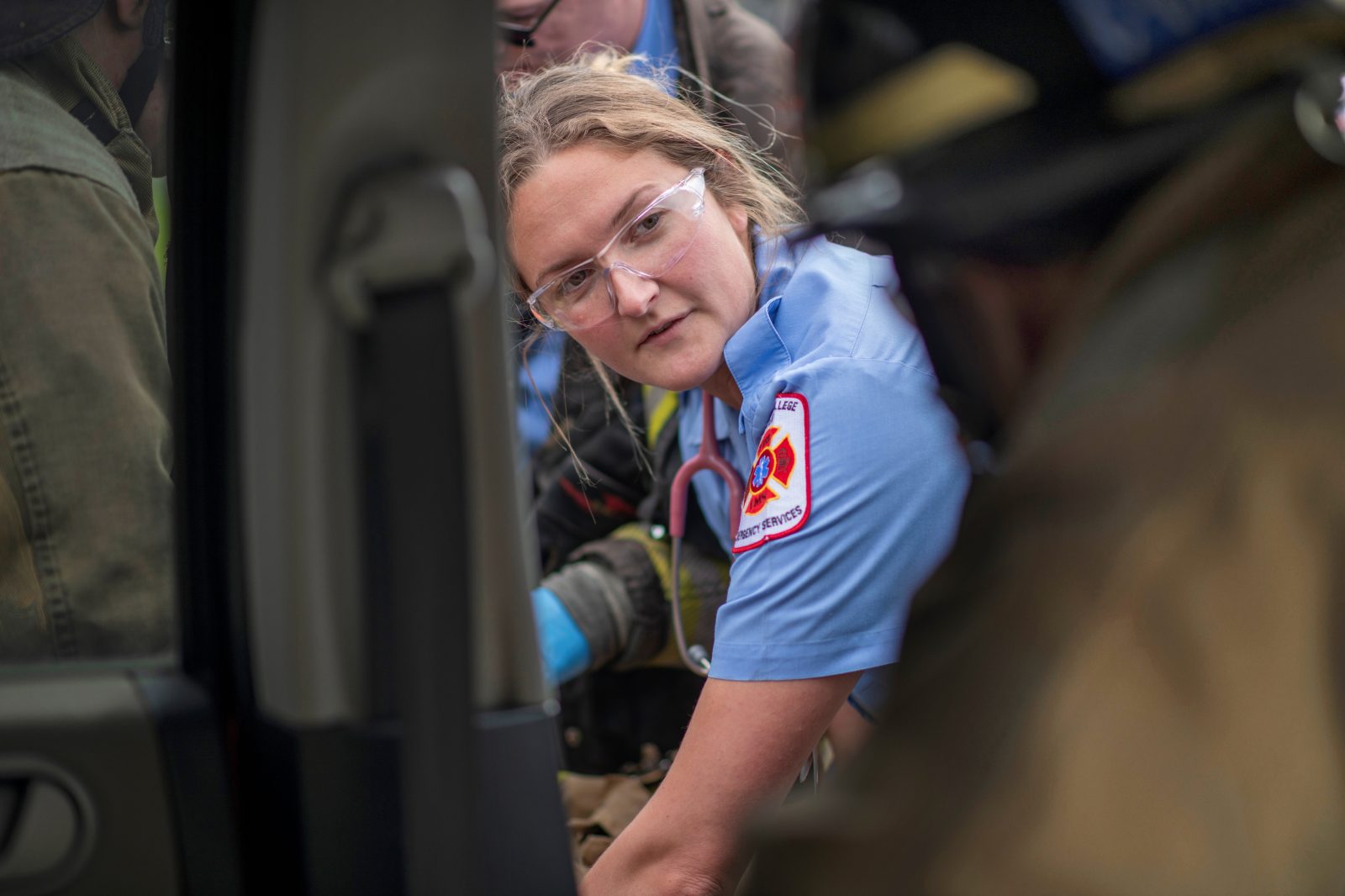
Lone Star College System is bringing a more immersive form of disaster preparedness training into its Bachelor of Applied Science in Emergency Management program through a partnership with Simental Industries and EM Disaster Gaming. The approach gives students an opportunity to make decisions under changing conditions, communicate with a team and work through the kinds of logistical challenges emergency managers face when real communities are depending on them.
For a region familiar with hurricanes, flooding and other large-scale emergencies, the training has a clear local connection. Many Lone Star College System students already work as first responders or in emergency-related fields, meaning lessons practiced in the classroom can ultimately influence how agencies and organizations prepare for and respond to crises throughout Greater Houston.
Disaster Gaming Brings Real-World Pressure Into the Classroom
Arthur J. Simental, DM, CEM, founded Simental Industries to help homeland security and emergency management professionals prepare for disasters through wargaming, a training strategy with a long history in military and defense planning.
He also created EM Disaster Gaming, which adapts that concept for emergency responders, disaster workers, policymakers and students.
“I’ve also created EM Disaster Gaming so that first responders, emergency managers, policymakers and disaster workers can use this as an opportunity for more immersive and engaging training and education,” Simental said. “I hope to challenge them to think critically, strategize, communicate, cooperate and better plan for disasters through more robust tabletop exercises, modeling and simulation.”
The format shares some characteristics with Dungeons & Dragons, the cooperative tabletop role-playing game in which participants react to evolving scenarios. Instead of navigating a fantasy world, however, EM Disaster Gaming participants may find themselves confronting a hurricane, pandemic, transportation emergency or terrorist attack.
Dice rolls, chance cards and other probability mechanics introduce unexpected developments, requiring students to adjust their plans as conditions change. EM Disaster Gaming offers both physical games and a virtual platform covering multiple disaster scenarios.
That unpredictability is an important part of the exercise. Emergency management often requires professionals to make decisions with incomplete information while conditions, available resources and community needs are changing around them.

Lone Star College Adds Experiential Learning to Emergency Management Degree
Lone Star College System leaders say the disaster simulations complement traditional coursework by requiring students to apply what they have learned rather than simply study emergency management concepts.
“At Lone Star College System, we are always looking for ways to innovate and ensure our curriculum is up to date,” said Laura Gehrig, Ph.D., LSCS department chair, BAS Emergency Management. “Disaster wargaming allows students to engage in their classwork in a more meaningful way, responding to simulated disasters on the spot.”
Students pursuing the BAS in Emergency Management at Lone Star College System take courses including Hazard Mitigation and Preparedness, Infrastructure Systems and Disaster, Emergency Management Planning, Disaster Response and Recovery, and Risk and Crisis Communications.
Together, those courses address many of the responsibilities emergency managers encounter before, during and after disasters, from preparing infrastructure and coordinating resources to communicating with the public and organizing recovery efforts.
The gaming component gives students another setting in which to connect those subjects. A decision involving transportation, for example, may quickly become a communications challenge. A resource shortage may require a change in priorities. An unexpected development can force students to reconsider a plan they believed was settled.
Those are difficult lessons to recreate through lectures alone.
For Many Students, Emergency Management Is Already Their Profession
The Lone Star College emergency management program also serves students who are not waiting until graduation to enter the field.
Many are already working as first responders and emergency management professionals. Some pursue a bachelor’s degree to qualify for additional workplace stipends, while others are preparing for career advancement or building a pathway into less physically demanding positions later in their careers.
Graduate Brett Shryock offers one example.
Shryock earned an associate degree in fire science from Lone Star College-CyFair before becoming one of the first students to enroll in the BAS Emergency Management program. Since graduating, he has advanced from logistics specialist to logistics supervisor with the Harris County Office of Homeland Security & Emergency Management.
“I wouldn’t change it for the world,” Shryock said. “I had matured a lot as the years went on, so I looked at the classes differently than I would have at age 18 or 19. Bringing that experience to the classes really helped. I got to give a lot of feedback and share my experience with classmates, and I learned a lot from the professors.”
His experience also reflects something that can make emergency management classrooms different from many traditional college settings: students may arrive with years of firsthand knowledge from fire departments, public safety agencies or other emergency response organizations.
That professional experience can become part of the learning process as classmates compare approaches, discuss previous incidents and consider how different agencies might respond to the same scenario.

Why Emergency Management Training Matters in Greater Houston
Emergency managers frequently work behind the scenes, but their decisions can affect nearly every part of a community during a crisis.
They may coordinate shelters, transportation, communications, supplies, staffing and recovery operations while working alongside fire departments, law enforcement agencies, hospitals, local governments, nonprofit organizations and other partners.
That requires strong organization and project management skills, particularly when normal routines have been disrupted and decisions must be made quickly.
Gehrig said the Lone Star College emergency management degree can also provide students with a path toward family stability and job security in a field where trained professionals are needed.
For Houston-area communities, expanding the pipeline of people trained in disaster response, emergency preparedness, crisis communications and homeland security has a practical benefit. The next generation of emergency managers may eventually be coordinating resources during a hurricane, managing logistics after a major transportation incident or helping residents recover from a disaster close to home.
The partnership with EM Disaster Gaming is intended to give those future professionals room to make decisions, encounter complications and learn from the results before they are responsible for doing so during an actual emergency.
A Different Kind of Preparation for the Next Emergency
No simulation can fully reproduce the pressure of a real disaster, but giving students realistic scenarios can help them practice the habits they will need when circumstances become unpredictable.
By combining academic instruction with disaster wargaming, modeling and simulation, Lone Star College System is giving emergency management students another way to practice communication, cooperation, strategic thinking and rapid decision-making.
Those skills matter well beyond the classroom. When an emergency reaches a neighborhood, residents rarely see every logistical decision taking place behind the response. They simply need the people making those decisions to be prepared.
Students interested in the Lone Star College System Bachelor of Applied Science in Emergency Management can learn more at LoneStar.edu/Programs-Of-Study/Emergency-Management.
Stay tuned to My Neighborhood News for more updates on local education, workforce training and programs for Greater Houston residents.

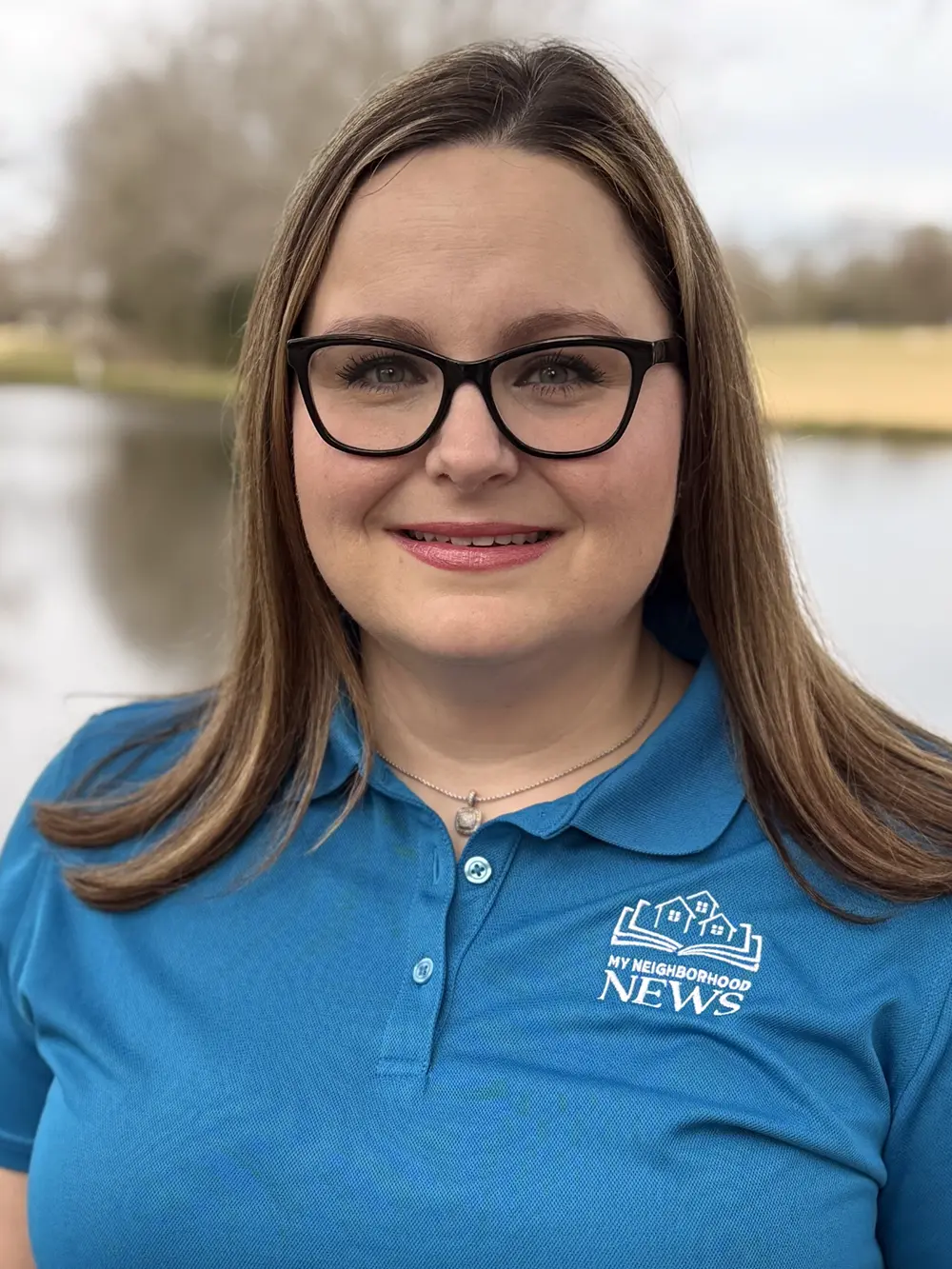 Tiffany Krenek has been on the My Neighborhood News team since August 2021. She is passionate about curating and sharing content that enriches the lives of our readers in a personal, meaningful way. A loving mother and wife, Tiffany and her family live in the West Houston/Cypress region.
Local business spotlight
Grow your business
where trust already lives.
Let’s introduce your business to the neighbors nearby.
Have a local favorite?
Let’s make an introduction.
Leave your email and our team will reach out with ways to promote your business.
Give a local favorite a little love.
Know a business your neighbors should discover? Tell us who they are.
We couldn’t send that just yet. Please try again.