







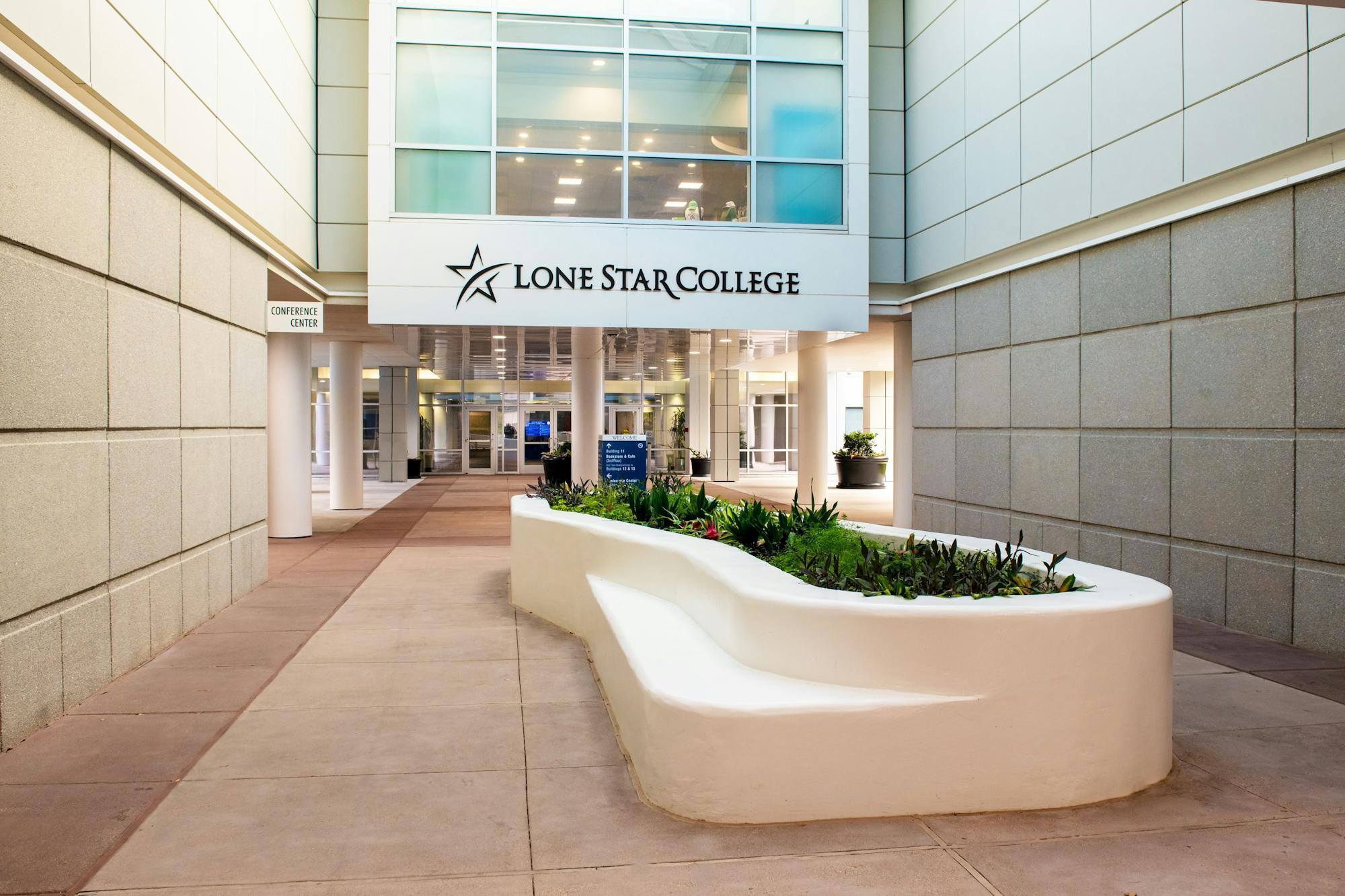
Lone Star College Approves Lower 2026 Tax Rate, With Early Debt Payments Planned
Lone Star College System trustees approved a 2026 property tax rate of $0.1058 per $100 of taxable value on October 1, a decrease from last year’s $0.1060 rate. The decision affects property within the college system’s taxing jurisdiction, including Cypress-Fairbanks ISD.
The adopted rate includes $0.0839 for maintenance and operations and $0.0219 for interest and sinking funds. Maintenance and operations revenue supports the system’s day-to-day work; the interest and sinking portion pays debt service on general obligation bonds.
The two components move in opposite directions: the operating rate rises from $0.0785 to $0.0839, while the debt-service rate falls from $0.0275 to $0.0219. The larger decrease in the debt portion produces the small reduction in the combined rate. Budgeted operating property-tax revenue increases from $244.5 million in fiscal year 2026 to $263 million in fiscal year 2027.
The adopted total remains above the official no-new-revenue rate of $0.1035. That benchmark represents the rate calculated to collect the same taxes from properties taxed in both years, with statutory adjustments. A rate can therefore be lower than last year’s rate while exceeding the no-new-revenue benchmark.
What the Rate Change Means
At an unchanged taxable value of $300,000, the college-system portion of the bill would be $317.40 at the new rate, compared with $318 at the old rate—a difference of 60 cents. This illustration uses taxable value after applicable exemptions; a property’s actual bill also depends on its taxable value and eligibility for exemptions.
A lower rate does not by itself guarantee a lower total property tax bill. Other taxing entities set their own rates, and changes in taxable value can affect the amount owed.
LSCS offers a residential homestead exemption of 8% of market value or $5,000, whichever is greater. Its taxpayer information page also lists exemptions for qualifying older adults, people with disabilities and veterans.

Paying Down Bond Debt Ahead of Schedule
LSCS plans to apply up to $60 million toward early repayment of outstanding general obligation bond debt. LSCS estimates that the early payments would produce $32 million in net long-term savings for taxpayers and support its goal of paying off the bonds by 2030–31.
At the September 16 special board meeting, Vice Chancellor for Finance and Administration Kristy Vienne said the plan would reduce total outstanding debt from approximately $404 million to $311 million. The FY 2027 budget report lists $33.625 million in scheduled principal payments separately from $60 million in early principal payments. Together, those budgeted payments total $93.625 million.
“Every tax rate decision requires us to balance predictable revenue, our commitment to financial stewardship and taxpayer affordability,” Vienne said.
Employee Raises and Unchanged In-District Tuition
Trustees approved the balanced $577.5 million FY 2027 operating budget on August 6. It includes a 2% pay increase for full-time instructional and non-instructional employees hired on or before March 31, 2026, calculated from their August 31, 2026, pay rate. Part-time hourly non-instructional employees also receive a 2% increase, with student assistants and college work-study participants excluded. Adjunct instructors receive a 2% increase in pay per contact hour.
In-district tuition remains $111 per credit hour for the 2026–27 academic year, unchanged since 2024–25. The budget anticipates $118 million in state allocations, $162 million in student revenue, $263 million in local taxes and $34.5 million from miscellaneous activities. Projected revenue covers planned operating spending without drawing on cash reserves.
The FY 2027 budget announcement details the compensation changes. Residents can also review the college system’s financial reports for operating and debt-service budgets.

 Johnny Krenek has been connected to community news since childhood, growing up alongside the family business his parents founded—Krenek Printing. Today, he serves as Vice President and lead developer for My Neighborhood News, where he drives the digital experience and supports the team across a variety of technical and operational roles. He is passionate about building tools that help connect neighbors and strengthen communities.
Local business spotlight
Grow your business
where trust already lives.
Let’s introduce your business to the neighbors nearby.
Have a local favorite?
Let’s make an introduction.
Leave your email and our team will reach out with ways to promote your business.
Give a local favorite a little love.
Know a business your neighbors should discover? Tell us who they are.
We couldn’t send that just yet. Please try again.