







Lake Austin Reopens as Waterway Ban Continues for Lady Bird Lake and Colorado River
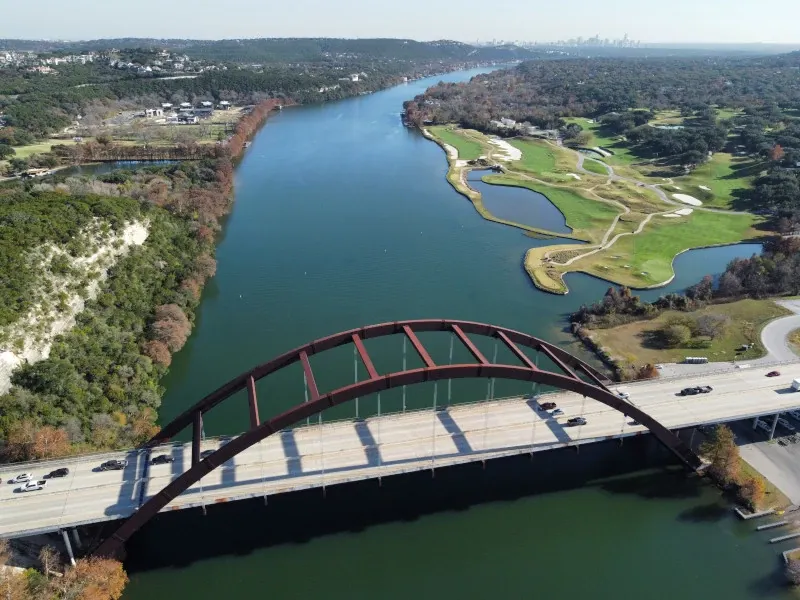
For many Austinites, the reopening of Lake Austin brings a welcome sign of progress after days of flood-related restrictions. Boats and other watercraft were allowed to return to the lake beginning at 5 p.m. Saturday, July 25, restoring recreational and commercial access to one of the city’s most familiar summer gathering places.
The danger has not passed everywhere, however.
The City of Austin has extended its waterway ban for Lady Bird Lake and the Colorado River downstream of Longhorn Dam through 5 p.m. Monday, July 27. Kayaks, paddleboards, canoes, wet bikes, motorized surfboards and other recreational or commercial watercraft remain prohibited in those areas.
The split decision means residents planning time on the water will need to pay close attention to where they are going. Lake Austin is open, while waterways immediately downstream remain under restrictions because flood-control operations are continuing to push higher and faster flows through the center of the city.
Why Lady Bird Lake Remains Closed
The Lower Colorado River Authority, commonly known as LCRA, expects floodgates at Tom Miller Dam to remain in operation through the weekend and into the following week. As of Saturday night, two floodgates remained open at the dam.
Water released through Tom Miller Dam enters Lady Bird Lake, where the increased flow can create conditions that are difficult to see from the shoreline. Austin Water is also keeping floodgates open at Longhorn Dam until flows from Tom Miller Dam slow enough for flood operations to be safely reduced.
For kayakers, canoeists and paddleboarders, the current can make it difficult to return to a starting point or maintain control near bridges, dams and other hazardous areas. Submerged debris can also create strong or unpredictable currents beneath the surface.
The flowing water may stir up sediment, reducing underwater visibility and water quality. Bacteria and pollutant levels also tend to rise after storms, adding another concern for people who might otherwise be tempted to swim, paddle or enter the water.
Those risks are why the continued Lady Bird Lake closure matters beyond the boating community. The lake and its surrounding trails are part of the daily rhythm of Austin, drawing runners, cyclists, families, tourists and people seeking a quiet place near downtown. Even when the water appears calm, conditions underneath can be very different.
Lake Austin Returns to Recreational Use
Lake Austin’s reopening applies to recreational and commercial activity on the reservoir between Mansfield Dam and Tom Miller Dam.
The narrow, river-like lake is one of the Highland Lakes and serves as both a popular recreation destination and a major source of drinking water for Austin. Unlike Lake Travis, it is considered a pass-through lake, meaning it does not have additional capacity to hold floodwater. Water moving downstream must eventually pass through Tom Miller Dam toward Lady Bird Lake.

The reopening allows boaters, waterfront businesses and commercial operators to begin returning to more familiar weekend activity. Residents should still remain cautious, watch for debris and follow any instructions posted at boat ramps, marinas or shoreline access points.
Flood conditions can change quickly, particularly when additional rainfall or upstream inflows affect the Highland Lakes system. LCRA has advised the public that flows downstream of operating dams may remain faster and water levels higher than usual.
Trails and Shorelines May Still Be Unsafe
Austin officials are also urging residents and visitors to avoid riverfront trails that may be affected by raised water levels or flash-flooding risks.
That warning is particularly important in low-lying areas where water can cover a trail, weaken the surrounding ground or leave behind mud and debris. A familiar walking or cycling route may not be safe simply because the rain has stopped.
People near Lady Bird Lake or the Colorado River should respect barricades and posted closure signs. Entering restricted water or attempting to cross a barricaded, flooded roadway can put both the individual and emergency responders at risk.
Who Decides When Austin Waterways Close?
Austin City Code Section 8-5-21 allows the Austin fire chief to prohibit waterway activity when flooding is occurring or likely to occur.
Waterway closures and extensions are coordinated among Austin Fire, Austin Emergency Management, Austin Watershed Protection, Austin Water and Austin Parks and Recreation. LCRA supplies information and consultation about dam and river conditions, but the final decision to close or reopen Austin waterways belongs to the city.
The current restrictions followed heavy rain that began affecting the Austin area in mid-July and prompted floodgate operations along the Highland Lakes. Mansfield Dam floodgate operations have ended, but water continues moving through the system, requiring continued operations at Tom Miller Dam.
What Austin Residents Need to Know
As of Saturday evening, Lake Austin is open for recreational and commercial use.
Lady Bird Lake remains closed to personal and commercial watercraft through at least 5 p.m. Monday, July 27. The ban also covers the Colorado River downstream of Longhorn Dam.
Residents should not launch kayaks, canoes, paddleboards or motorized watercraft in the restricted areas, and they should use caution around riverfront trails and low-water crossings.
The Monday expiration time does not guarantee the waterways will reopen then. City officials have said additional extensions may be necessary as long as multiple floodgates remain open and hazardous conditions continue.
For Austin area families, boaters and businesses, the reopening of Lake Austin marks an important step toward normal activity. The continuing restrictions downstream are also a reminder that the effects of a major rain event do not end when the skies clear. Water must still move through the region’s interconnected system of lakes and dams, and that process can leave dangerous conditions behind.

 Tiffany Krenek has been on the My Neighborhood News team since August 2021. She is passionate about curating and sharing content that enriches the lives of our readers in a personal, meaningful way. A loving mother and wife, Tiffany and her family live in the West Houston/Cypress region.
Do you own a business?