






King Crossing Recycling Guide: What Residents Need to Know About Best Trash Service and How to Recycle Right
For families in King Crossing, recycling isn’t just about sorting items—it’s about protecting the neighborhood’s appearance, reducing waste, and contributing to a cleaner, more sustainable community. With Best Trash recycling services in King Crossing, residents already have the tools in place—but knowing exactly how to use them can make all the difference.
Whether you’re new to the neighborhood or simply looking to recycle more effectively, understanding what’s accepted, what’s not, and how to prepare materials helps ensure your efforts actually count.
Recycling by the Numbers: Why It Matters Beyond King Crossing
Recycling efforts at the neighborhood level contribute to much larger environmental outcomes. According to the U.S. Environmental Protection Agency (EPA), recycling and composting prevented an estimated 94 million tons of material from being landfilled in a single year, helping conserve natural resources and reduce greenhouse gas emissions. The EPA also notes that materials like aluminum cans can be recycled repeatedly and save up to 95% of the energy required to produce new aluminum from raw materials.
Additionally, paper and cardboard recycling plays a significant role in reducing deforestation and energy use, while proper plastic recycling helps limit pollution that can impact waterways and wildlife. These national trends reinforce how consistent, correct recycling habits in communities like King Crossing contribute to broader environmental protection efforts.
What Can Be Recycled in King Crossing?
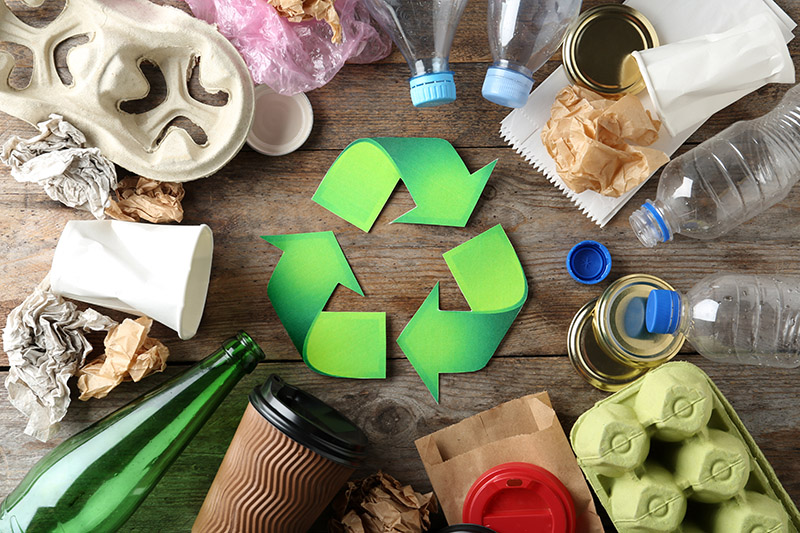
Best Trash makes recycling accessible for King Crossing residents by accepting a wide range of everyday materials. The key rule: all items must be clean, dry, empty, and placed loose in the bin.
Accepted Recycling Items
Paper Products
Residents can recycle common household paper items, including:
- Newspapers, magazines, catalogs, and junk mail
- Office paper, envelopes, and file folders
- Cardboard boxes, cereal boxes, and paper bags
- Milk cartons, juice cartons, and wax-coated boxes
- Wrapping paper and phone books
Metal Items
- Aluminum cans and foil
- Food cans and lids
- Pots and pans
Glass
- Clear and colored glass containers
Plastic
- Bottles and jars
- Tubs and buckets (such as water bottles, detergent containers, yogurt tubs, and more)
This broad list means most kitchen and household packaging can stay out of the landfill—if handled properly.
How to Use Your Recycling Bin the Right Way
Each King Crossing home is provided with a Best Trash recycling cart or bin, and using it correctly helps prevent contamination and missed pickups.
Before placing items in your bin:
- Remove all food and liquid
- Rinse containers when possible
- Take off caps and lids
- Do not bag recyclables—place them loose
If your recycling exceeds the bin’s capacity, residents can still participate fully.
Extra recycling tips:
- Place overflow items in a clear bag, paper bag, or box (30–50 gallons)
- Clearly label all sides with “RECYCLE”
- Set it next to your bin on collection day
This flexibility is especially helpful after holidays, parties, or home projects.
What to Do With Moving Boxes
New neighbors and long-time residents alike often face one common question: What do I do with all these boxes?
Best Trash allows residents to:
- Flatten boxes or nest them together
- Place them next to the recycling bin
- Set out up to 20 boxes per collection day
It’s a simple way to keep streets tidy while making moving transitions easier across King Crossing.
Why Items Sometimes Get Left Behind
If you’ve ever noticed items still sitting in your recycling bin after pickup, there’s a straightforward reason: they’re not recyclable under current guidelines.
This is one of the most common frustrations for residents, but it usually comes down to contamination or prohibited materials. When that happens, those items should be placed in your regular trash container for the next collection.
What Cannot Be Recycled in King Crossing
Knowing what not to include is just as important as knowing what you can recycle.
Items not accepted by Best Trash include:
- Yard waste (branches, grass, leaves)
- Clothing and wire hangers
- Mirrors, windows, and light bulbs
- Batteries (these can be taken to Batteries Plus locations)
- Paint, solvents, and related containers
Keeping these items out of recycling bins helps ensure the entire load doesn’t get rejected.
Lost or Missing Recycling Bins? Here’s What to Do
If your recycling cart or bin goes missing, Best Trash can help you get back on track quickly. Residents should contact their office at 281-313-2378 to arrange for a replacement (fees may apply).
Why Recycling Matters for King Crossing Residents
Beyond the environmental benefits, proper recycling plays a role in:
- Maintaining clean, attractive streetscapes
- Supporting property values
- Reducing unnecessary landfill waste
- Reinforcing a shared sense of responsibility across the community
When residents follow recycling guidelines, it helps the entire neighborhood function more smoothly—from collection efficiency to overall curb appeal.
What Happens Next: Building Better Habits Together
As King Crossing continues to grow, small daily habits—like rinsing a container or flattening a box—add up to meaningful impact. For many families, recycling becomes second nature once the process is clear.
Residents who take a few extra moments to recycle correctly are helping shape a cleaner, more connected community—one pickup day at a time.
For more local updates, practical tips, and neighborhood news for King Crossing, stay connected with My Neighborhood News.

 Tiffany Krenek has been on the My Neighborhood News team since August 2021. She is passionate about curating and sharing content that enriches the lives of our readers in a personal, meaningful way. A loving mother and wife, Tiffany and her family live in the West Houston/Cypress region.
Local business spotlight
Grow your business
where trust already lives.
Let’s introduce your business to the neighbors nearby.
Have a local favorite?
Let’s make an introduction.
Leave your email and our team will reach out with ways to promote your business.
Give a local favorite a little love.
Know a business your neighbors should discover? Tell us who they are.
We couldn’t send that just yet. Please try again.